
OneFabric Pop-Up Banners vs. Modular Exhibition Systems
For many UK marketers, the choice between OneFabric Pop-Up Banners and modular exhibition systems looks like a simple budget question, but this assumption hides a deeper strategic risk. When teams default to the same hardware year after year, they can quietly lock themselves into stand formats that limit visibility, flexibility, and long-term value. In a trade show environment where visitor attention is short and floor space is expensive, the wrong structure can steadily drain exhibition ROI without ever being clearly identified as the culprit.
Why Structural Decisions Shape Exhibition Performance
Exhibitions remain one of the most valuable event marketing tools for face-to-face engagement in the UK, yet stand architecture is often treated as an afterthought. The decision between compact fabric pop up displays and larger modular builds dictates what you can actually do on the stand, from product showcases to private conversations. If the structure can’t adapt to different layouts or messages across the season, brands end up with recurring reprint costs, awkward workarounds and missed opportunities to run demos or hospitality.
Misconceptions About Compact Banner Formats
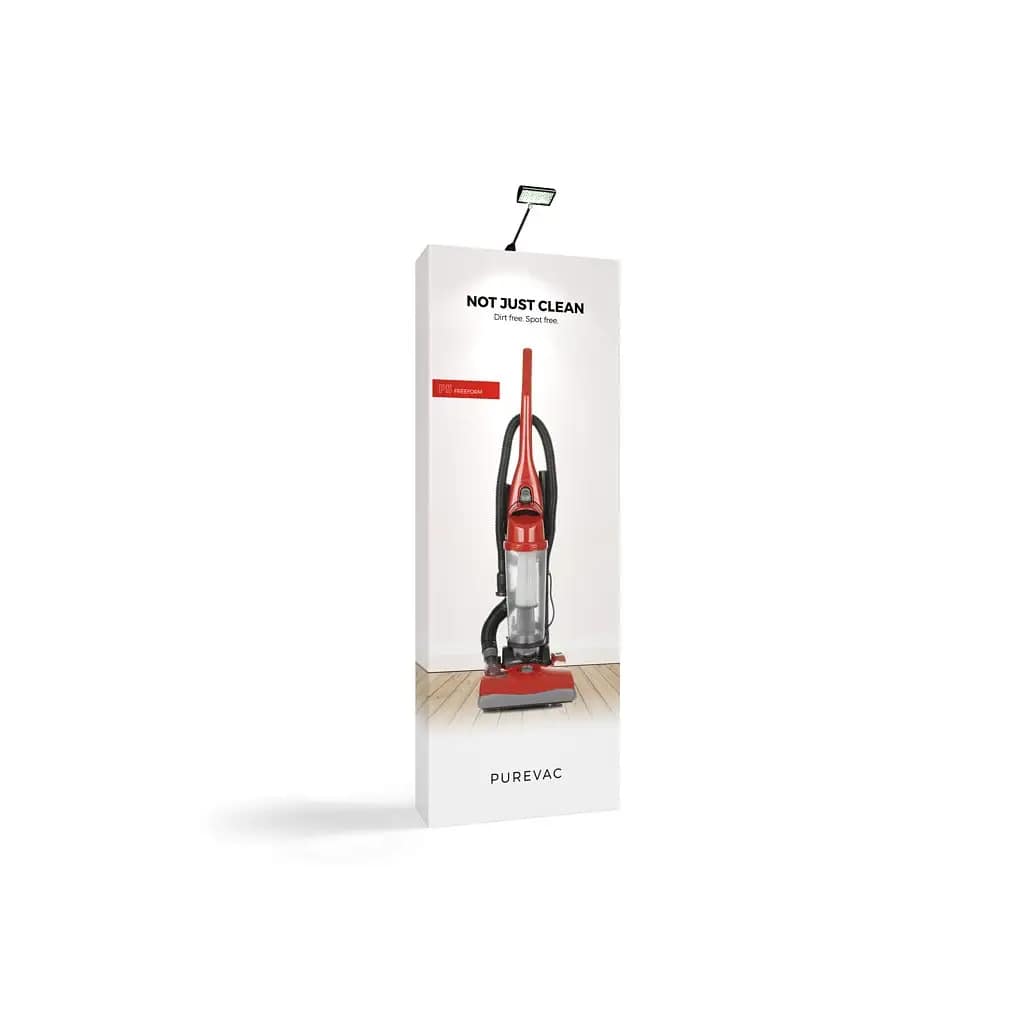
One persistent misconception is that pop-up walls are suitable only for small, local events, leading teams to ignore how powerful portable trade show backdrops can be in larger halls. Used as focused brand backdrops or zoned feature walls, lightweight event display stands can cut build time while still delivering strong visual impact. Problems emerge when marketers expect a single banner wall to carry product displays, AV, storage and meetings. The result is cluttered furniture, extra roll-ups and inconsistent branding that undermines otherwise strong creative.
- You regularly add extra banner stands or leaflet racks on-site to fix layout gaps.
- Your stand feels cramped once literature, samples and staff are in place.
- Graphics are reprinted frequently because campaign messages keep changing.
- You struggle to reuse the same kit across different stand sizes or UK venues.
- Transport, storage or build times for your hardware are becoming a growing headache.
Modular trade show alternatives are often positioned as the answer to every exhibition brief, yet they introduce their own risks. Higher upfront costs, heavier structures and complex build sequences can be disproportionate for exhibitors attending only a handful of shows each year. Over-specified systems can’t easily scale down for shell schemes or roadshows, forcing marketers back to temporary branded event display solutions and undermining the value of reusable exhibition graphics and custom fabric displays.
Behind many of these issues lies a planning gap: hardware decisions are made before the full events calendar, messaging strategy and space types are mapped out. Without that overview, teams invest in tension fabric banner systems or OneFabric Pop-Up Banners that work brilliantly for one flagship event but poorly for smaller regional shows. Over time, this mismatch drives extra spending on ad hoc portable advertising solutions, last-minute hires and compact display transport cases, rather than a coherent mix of fabric and modular assets.
A more strategic approach treats hardware as a flexible toolkit rather than a one-off purchase, combining fabric pop up displays with selected modular elements where structure genuinely supports objectives. UK marketers reviewing their event plans, stand sizes and conversation types often discover that their current mix of lightweight assets and larger builds no longer fits. Before another show season locks in the same compromises, it is worth speaking with an exhibition specialist to review whether your stand system is helping or quietly holding your brand back.