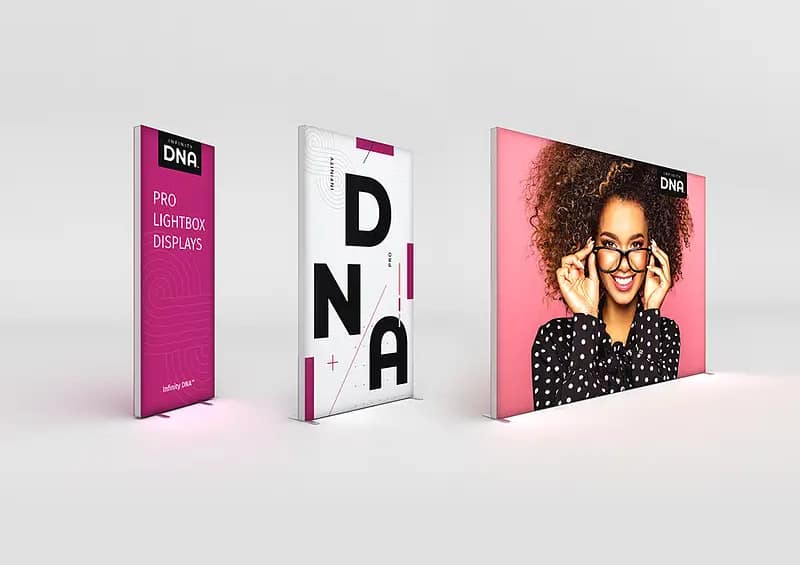
Retailers across the UK are embracing illuminated in-store visuals, yet many underestimate the hidden risks that come with complex LED lightbox installations. When systems like the Infinity DNA™ Pro Lightbox are specified purely on upfront cost, critical technical and compliance factors are often missed. The result can be disappointing brightness, poor colour rendition and mounting long-term costs that quietly undermine store performance and brand perception.
Understanding the hidden risks behind Infinity DNA™ Pro Lightbox installations
Treating any LED lightbox display as a simple “plug-and-play” fixture is a common mistake. In reality, lumen output, colour rendering index, frame depth and power loading must be carefully aligned with store lighting conditions and visual merchandising goals. Without this, graphics may appear flat or washed out, particularly in bright UK high street environments, while uneven illumination or visible hot spots can cheapen even the strongest campaign creative.
Why poor lightbox planning costs UK retailers
Short-term procurement decisions can lock retailers into years of inefficiency. Under-specified LEDs may require higher brightness settings to compete with ambient lighting, driving up energy bills and accelerating component wear. Over time, this can mean more frequent failures, rushed maintenance visits and unplanned print runs for replacement graphics. When custom fabric banners are not optimised for backlighting, colours can shift, skin tones can look unnatural and campaign photography loses the impact seen in digital or outdoor media.
Common misconceptions and warning signs to watch
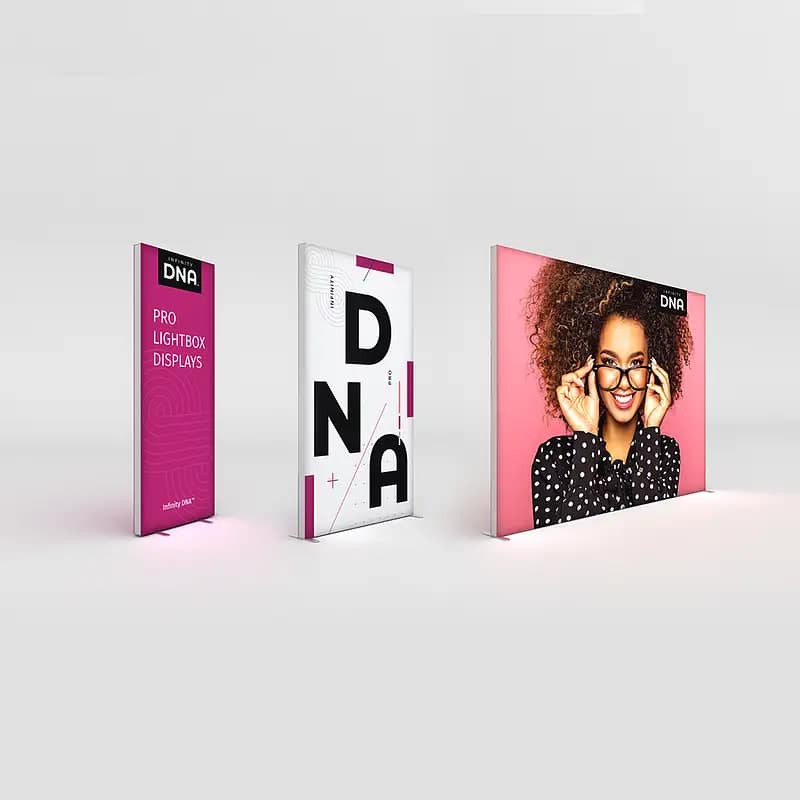
Many visual merchandising teams still assume that any SEG fabric lightbox system will behave predictably once installed. In reality, different fabrics and print processes transmit light in very different ways, meaning a design that looks perfect on screen can appear muddy or uneven when backlit. Warning signs of underperforming units include patchy lighting, frames that flex or rattle, puckering fabric edges and graphics that fade faster than anticipated, especially in high-footfall locations.
- Rising maintenance call-outs for flickering or failed LEDs across your lightbox estate.
- Staff complaints about heat from older units or noisy integrated power supplies.
- Campaign visuals that look noticeably different to illuminated trade show graphics or online creative.
- Inconsistent brightness between sites using supposedly identical reusable illuminated display frames.
- Difficulties integrating new units with existing portable branded light walls or modular LED exhibition stands.
Another overlooked issue is compliance. Integrating illuminated units with existing circuits, emergency lighting and fire safety systems is rarely straightforward in older UK stores. Poor coordination can lead to non-compliance, remedial electrical work and even voided shopfitting warranties. Retailers experimenting with portable advertising solutions or a lightweight exhibition display kit for pop-ups often discover too late that power loading and safety standards were not fully assessed at the planning stage.
As more brands seek premium backlit fabric displays that match digital channels, the cost of getting lightboxes wrong is no longer just technical. It affects dwell time, sales conversion and perceived brand quality across the estate. A structured audit of current frames, power availability and brand guidelines, including any tool-free modular stand or portable systems in use, can reveal where performance is being lost. Before committing to a new rollout or refurbishment, speaking with an expert on the Infinity DNA™ Pro Lightbox can help ensure installations are safe, efficient and ready for the expectations of UK shoppers. Now is the time to review your existing displays, identify weak spots and seek specialist guidance before hidden issues become costly to fix.