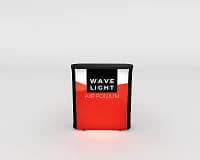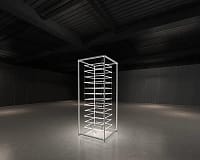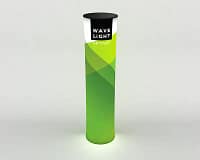
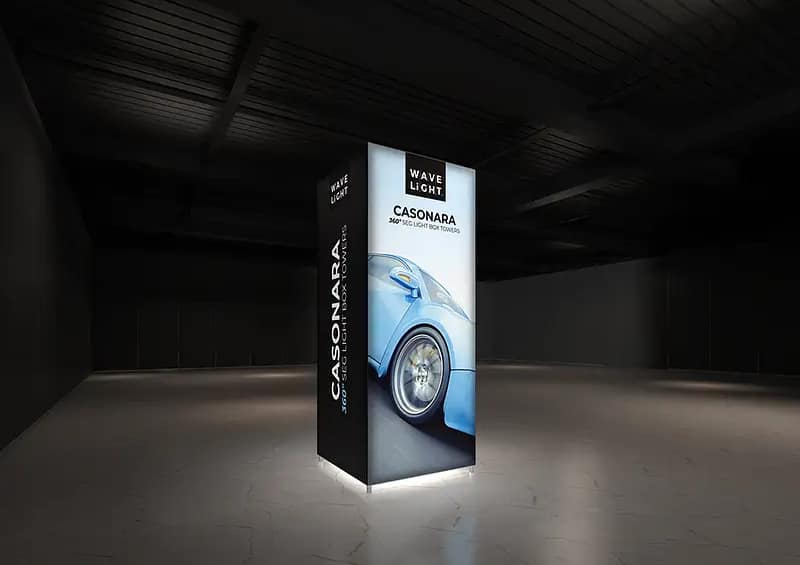
Poor transport and storage might seem like minor concerns, but for UK trade show teams they are often the hidden reason why illuminated structures underperform. When WaveLight® Casonara Towers are packed in a rush, squeezed into overfilled vans or left in damp storage, the impact is rarely visible after one event. Instead, problems accumulate quietly until a major show is compromised. In a marketplace where stands compete fiercely for attention, preventable damage to lighting, frames and graphics becomes a real commercial risk.
Understanding the risks of poor transport and storage
Backlit display towers are typically bought as long-term assets, yet they are frequently treated as disposable props between events. Cracked joints, flickering LEDs and sagging fabric are common outcomes when custom display towers are moved without proper cases or padding. The temptation to repurpose old crates or generic boxes is strong when budgets are tight. However, such shortcuts often expose tool-free aluminium display frames and control units to repeated knocks and vibrations that gradually degrade performance.
Why handling mistakes matter for visual impact
Visitors to UK exhibitions are increasingly drawn to stands that feel bright, modern and cohesive. When portable exhibition solutions lose their crisp tension or evenness of light, the whole space can look dated. Uneven glow, visible creases and dark bands break the illusion of quality that brands rely on to justify premium pricing. For marketers chasing dwell time and data capture, a visibly tired tower can undermine months of campaign planning. Replacements mid-season also eat into funds intended for new creative or additional inventory.
How damage quietly builds between shows
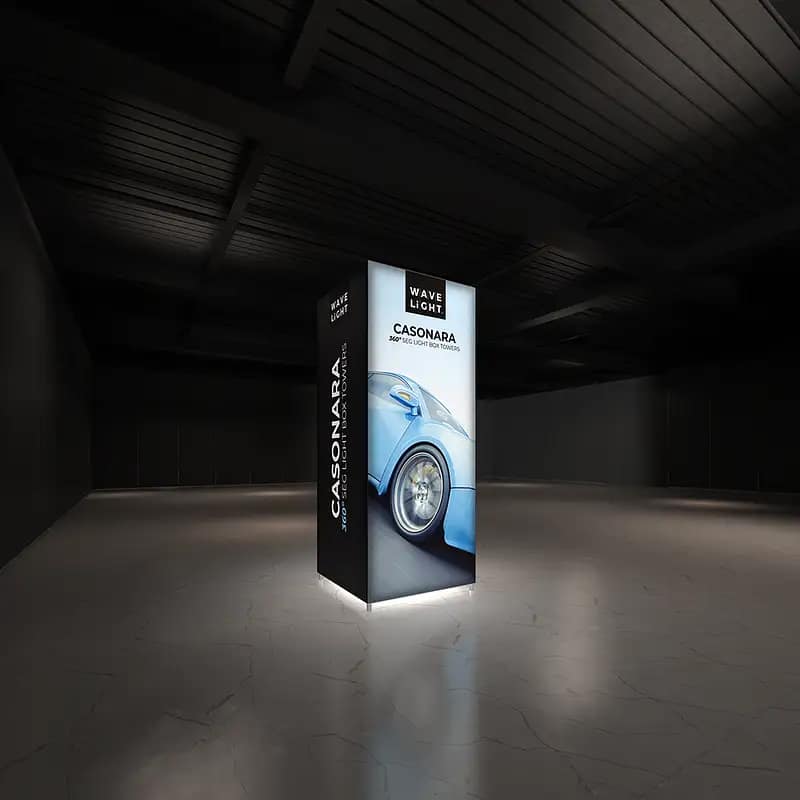
Many issues begin in transit, where towers are loaded last, wedged into corners and left unsecured. Sudden braking, potholes and speed bumps on UK roads can cause aluminium sections to rub against LED lighted podiums, drivers and cables. In storage, temperature swings and humidity work slowly on fabrics and electronics, particularly where backlit retail display pillars are kept in uninsulated lock-ups. Fabrics rolled too tightly, or folded around sharp edges, develop stress marks that become glaring under illumination.
- Graphics emerging from storage with stubborn creases or shiny pressure lines.
- LED modules showing subtle flicker, colour shift or dark spots during setup.
- Frames that no longer sit square, creating visible light gaps at the joins.
- Frequent reliance on tape, wedges or extra weights just to keep towers stable.
- Rising costs as reusable branded tower displays need premature replacement parts.
These early warning signs suggest that processes, rather than product quality, may be at fault. Teams often blame ageing equipment when the true issue is inconsistent packing, labelling and environmental control. For organisations investing in modular illuminated towers as long-term, lightweight exhibition landmarks, this represents a missed opportunity. A modest review of cases, racking and checklists can extend the working life of portable LED display columns by several seasons. It also reduces stress on event days, when technical surprises are least welcome.
As UK trade show schedules intensify, exhibitors are starting to question whether their current UK trade show tower solutions are robust enough for constant touring. For many, it is time to reassess how WaveLight® Casonara Towers are handled before, during and after each event. Speaking with an exhibitions specialist can highlight simple, cost-effective changes that protect premium SEG tower graphics and lighting. If you recognise any of the issues described above, now is the moment to review your transport and storage practices, and book expert guidance before the next show exposes an avoidable failure.