The Best Practices for Using WaveLight® Tension Fabric Banners at Exhibitions
The impact of WaveLight® Tension Fabric Banners at UK exhibitions
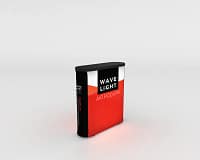
Across the UK exhibition circuit, organisers consistently report that visually bold stands hold visitor attention far longer than unremarkable spaces. Wavelight Tension Fabric Banners, with their even LED backlighting and seamless fabric skins, are designed to cut through the visual clutter of busy halls. Yet many exhibitors still treat them as static scenery rather than active communication tools. This gap between capability and real-world use is where problems start. The missed opportunity quietly erodes the return on already significant exhibition budgets.
Why poor banner use is a hidden commercial risk
For many UK firms, stand space, staff and travel can easily run into five figures per show, but underperforming visuals often go unquestioned. When banners are dim, cluttered or badly placed, qualified visitors simply walk past to brighter, clearer competitors. Over several events, this can translate into weaker pipelines, reduced brand recall and difficulty justifying future attendance. Because the failure is visual and gradual, it rarely appears in post-show reports. Instead, teams blame the event, the audience or the market, not the stand itself.
Common design and layout mistakes exhibitors overlook
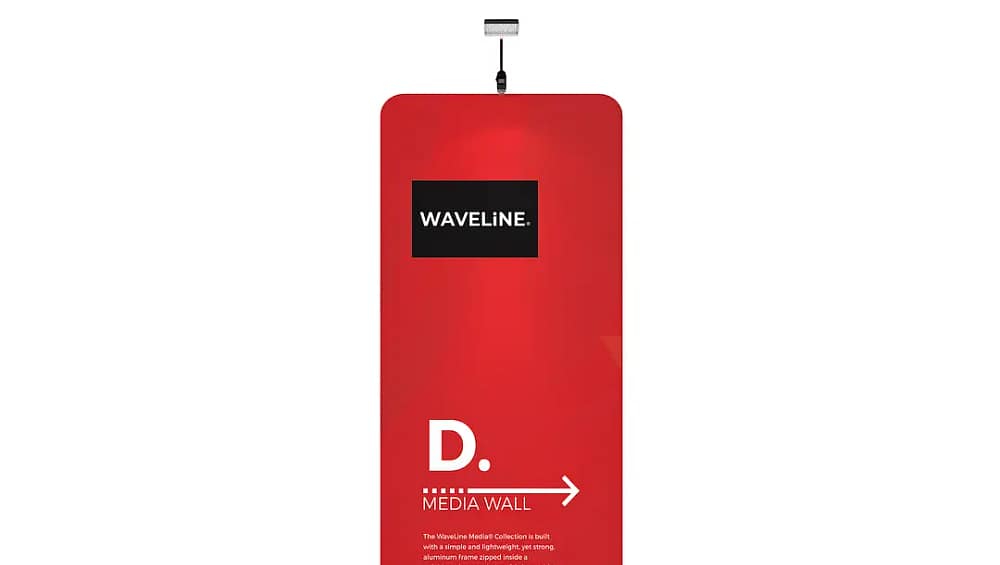
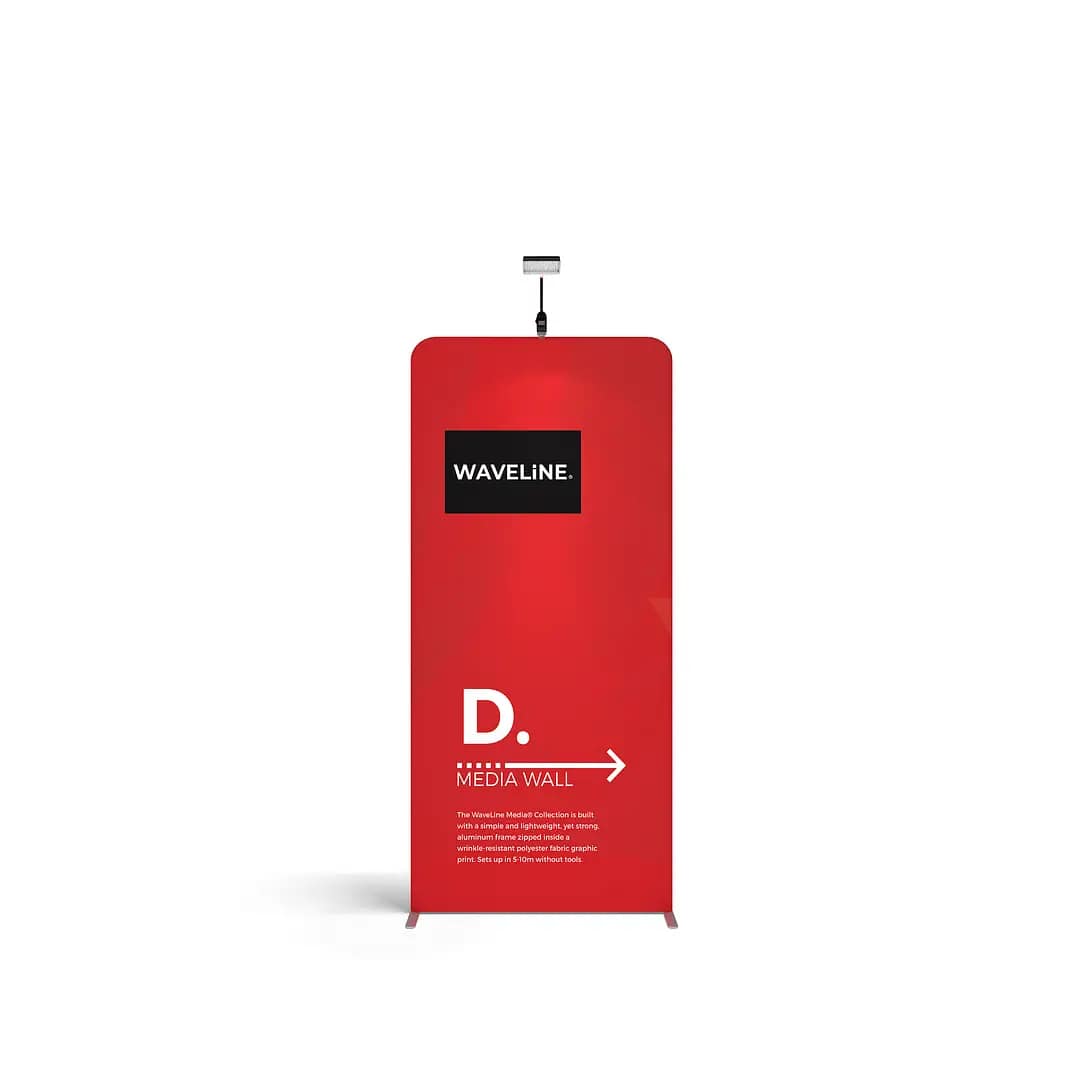
Many teams assume that more information equals more impact, cramming product lists, straplines and dense text onto backlit surfaces. In reality, visitors scan uk trade show banner stands in seconds, rarely reading beyond a clear headline and benefit. Poor sightline planning is another recurring issue, with key messages hidden behind counters or set too low for crowded aisles. Colour and contrast problems also arise when artwork is not tested under LED and venue lighting together. These mistakes can undermine even the most premium fabric event signage.
- You rely on small text and long paragraphs instead of bold, scannable headlines.
- Your team assembles banners for the first time on-site, leading to creases or loose tension.
- Lighting looks patchy or too harsh in photos, suggesting uneven LED distribution.
- Visitors seem unsure where to stand, watch demos or start a conversation on your stand.
- You reuse artwork year after year without reviewing whether offers or messages still reflect your strategy.
Operational habits deepen these problems. When setups are rushed, panels can twist, frames may not lock correctly and washable exhibition graphics are sometimes stretched or damaged. Skipping a pre-show test build means colour issues or flickering LEDs only surface once doors open. Misjudged hardware choices also play a role, where portable tension banner stands or tool free display frames are mixed haphazardly with older systems. The stand then feels improvised rather than a cohesive environment that supports conversations.
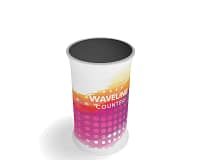
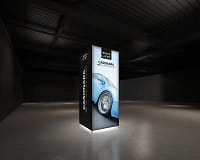
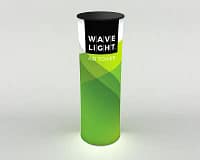
For exhibitors investing in lightweight exhibition fabric displays, the real risk is assuming that hardware alone guarantees success. Without a clear message hierarchy and thought-through visitor journey, even reusable illuminated fabric backdrops become expensive wallpaper. By contrast, custom fabric display solutions, modular tension fabric systems and portable branded display walls work hardest when they present one strong idea at a glance. Reviewing how your high-quality printed fabric signs actually perform in the aisle can expose issues early. If concerns keep recurring, seeking expert advice on Wavelight Tension Fabric Banners before your next show can prevent another underwhelming event. Take time now to assess your current setup, identify weak points and speak with a specialist who can help you optimise design, layout and lighting so your banners function as strategic sales assets, not just decoration.