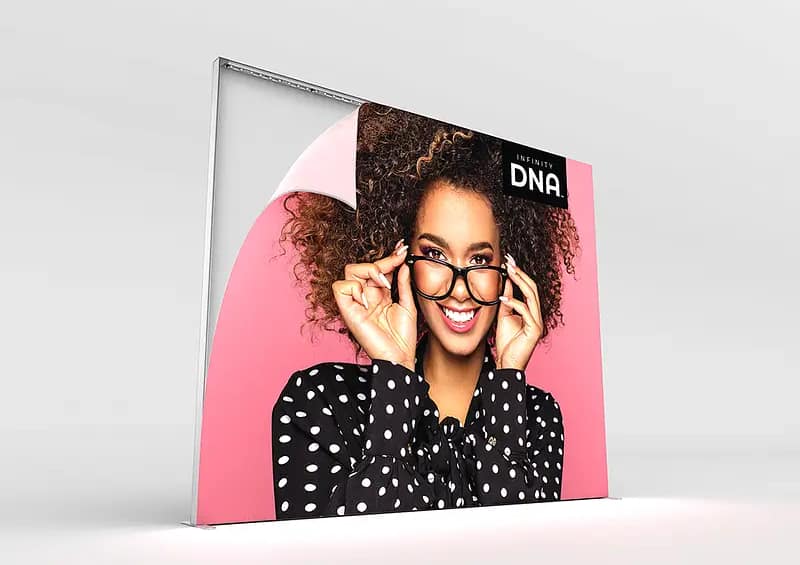
Transporting Infinity DNA™ Pro Lightboxes sounds straightforward, yet poor packing is quietly costing UK studios time and money. As more photographers rely on LED lightbox display setups for consistent, colour-accurate work, the risk of transport damage is rising. Behind every smooth acrylic face sits delicate circuitry, diffusers and edge lighting that do not tolerate knocks, vibration or pressure points. When location work becomes routine, a casual approach to loading gear into cars, vans or courier networks can turn every journey into a hidden gamble.
Why careless transport puts your lightbox investment at risk
Professional lightboxes are engineered to tight tolerances, and the Infinity DNA™ Pro Lightbox is built as a long-term asset rather than a disposable prop. Yet many photographers still rely on thin cardboard, improvised padding or generic courier cartons when deadlines loom. Industry anecdotes point to cracked panels, warped frames and intermittent flicker often traced back to a rough trip. What seems like a harmless shortcut can quickly escalate into reshoots, emergency hire bills and awkward conversations with clients expecting flawless results.
Recognising vulnerabilities in modern studio lightboxes
From the outside, a rigid frame and metal housing create an illusion of durability. Inside, however, LED strips, power connectors and diffusers are highly sensitive to sharp impacts and sustained pressure. Corners and edges are especially exposed when gear is stacked beside stands, reusable modular display frames or cases of lenses. Damage may not appear immediately; minor knocks can become visible later as uneven illumination, subtle colour shifts or buzzing power supplies that undermine colour-critical work and brand consistency.
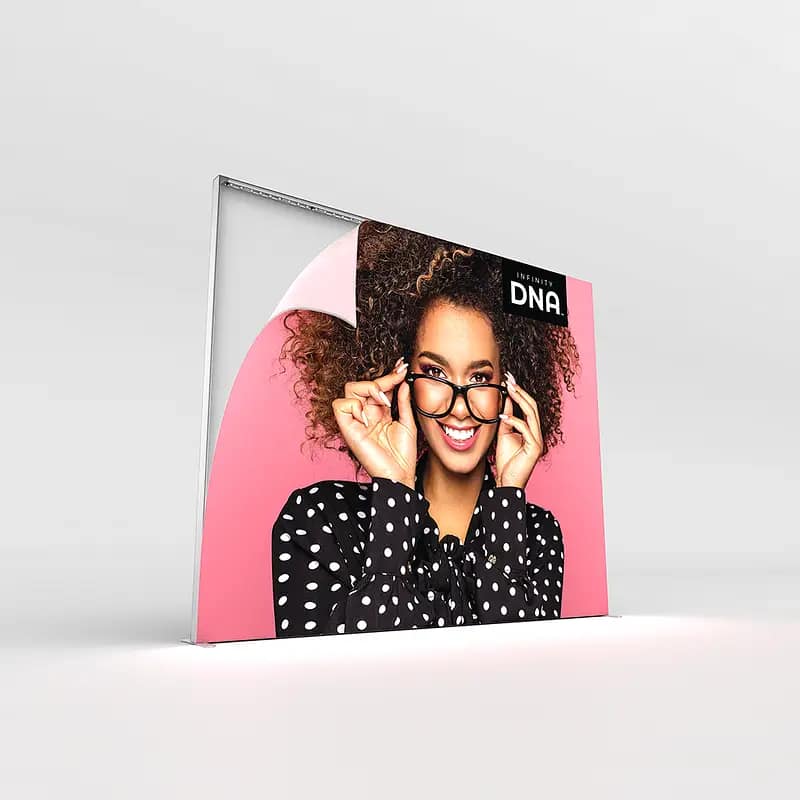
Common packing mistakes UK studios still make
One of the most persistent errors is discarding the original packaging designed around the unit’s weight and weak points. Replacing custom foam with towels, clothing or loosefill allows movement in transit, so every pothole becomes a potential impact. Another problem is over-packing: cramming stands, cables, custom fabric banners and accessories into a single heavy carton that is almost guaranteed to be dropped or mishandled. Generic courier boxes, without reinforcement or clear labelling, leave handlers assuming the contents are robust.
- Minor scuffs, dents or bent corners appearing more often after local or national deliveries.
- Flicker, delayed start-up or uneven brightness emerging shortly after a shoot on location.
- Staff reluctance to move lightboxes, or improvised lifts with no clear packing routine.
- Boxes that feel loosely packed, rattle when moved or show crushed sections on arrival.
- Frequent need to re-seat connectors or adjust SEG backlit fabric graphics to hide hotspots.
These warning signs suggest transport is undermining not only hardware reliability, but also the impact of portable exhibition light walls, premium illuminated trade show stands and lightweight aluminium display structures that rely on consistent lighting. For teams managing modular LED display systems or interchangeable SEG graphic panels, repeated damage can erode the flexibility that tool-free lightbox assembly is supposed to deliver. Speaking with a specialist supplier about protecting your Infinity DNA™ Pro Lightbox can help benchmark your current practices before a costly failure derails a major campaign.
If your lightboxes are travelling more often, now is the time to audit your packing, transit routes and insurance cover rather than wait for a catastrophic breakage. Review how cases are loaded, whether cartons are double-walled, and how clearly fragile labelling is used across portable advertising solutions. Consider whether location teams have a simple, repeatable routine for packing and unpacking that protects connectors and front panels every time. Before your next big shoot or studio relocation, speak with an expert to assess your risks, tighten your processes and safeguard the lighting that underpins your reputation.