UK marketers face growing pressure to deliver impact at events while cutting transport, storage and production costs. Among the most talked-about options are OneFabric Pop-Up Banners, which offer a modern alternative to traditional PVC roller banners and rigid panel kits. As budgets tighten and schedules intensify, teams are re-evaluating which exhibition systems genuinely support fast-paced, multi-venue campaigns without compromising brand presentation.
The Benefits of OneFabric Pop-Up Banners Over Traditional Displays
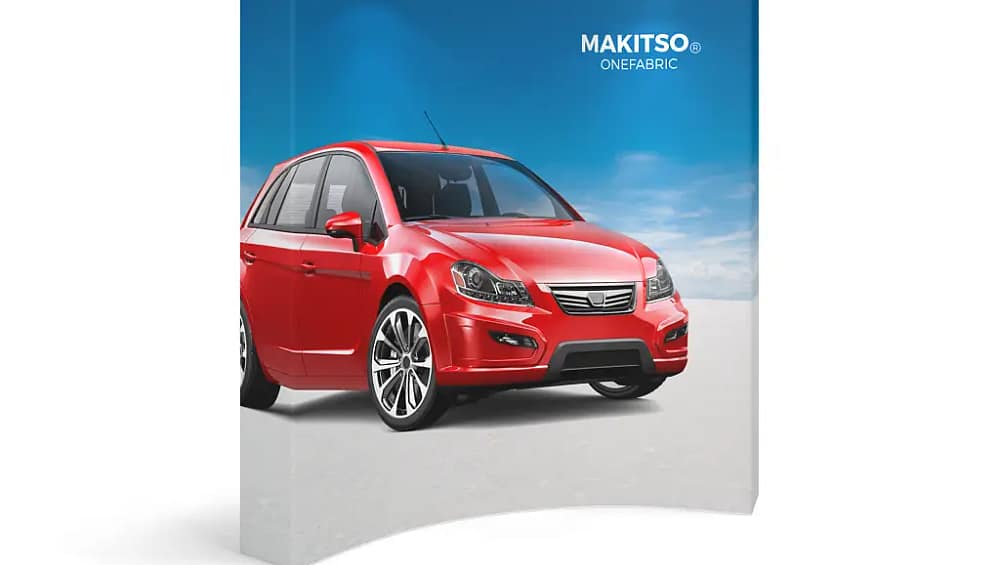
At the heart of the shift is how these lightweight fabric pop up displays are engineered. A folding aluminium frame locks into place without tools, while a single printed fabric skin remains attached between events. This creates tool free exhibition stands that go from case to full-height backdrop in just a few minutes, reducing set-up pressure on smaller field teams and cutting paid installation hours for agencies and in-house marketing departments.
Why fabric pop-up systems are reshaping event branding
Unlike PVC graphics, dye-sublimated fabric absorbs colour, producing rich tones and deep blacks that photograph well under harsh exhibition lighting. There is no reflective sheen, so messaging stays legible from more angles, a key advantage for pop up banner advertising on busy show floors. Because the fabric can usually be machine washed, brands running roadshows, retail tours or campus campaigns can maintain a fresh, professional finish over time without repeated reprints.
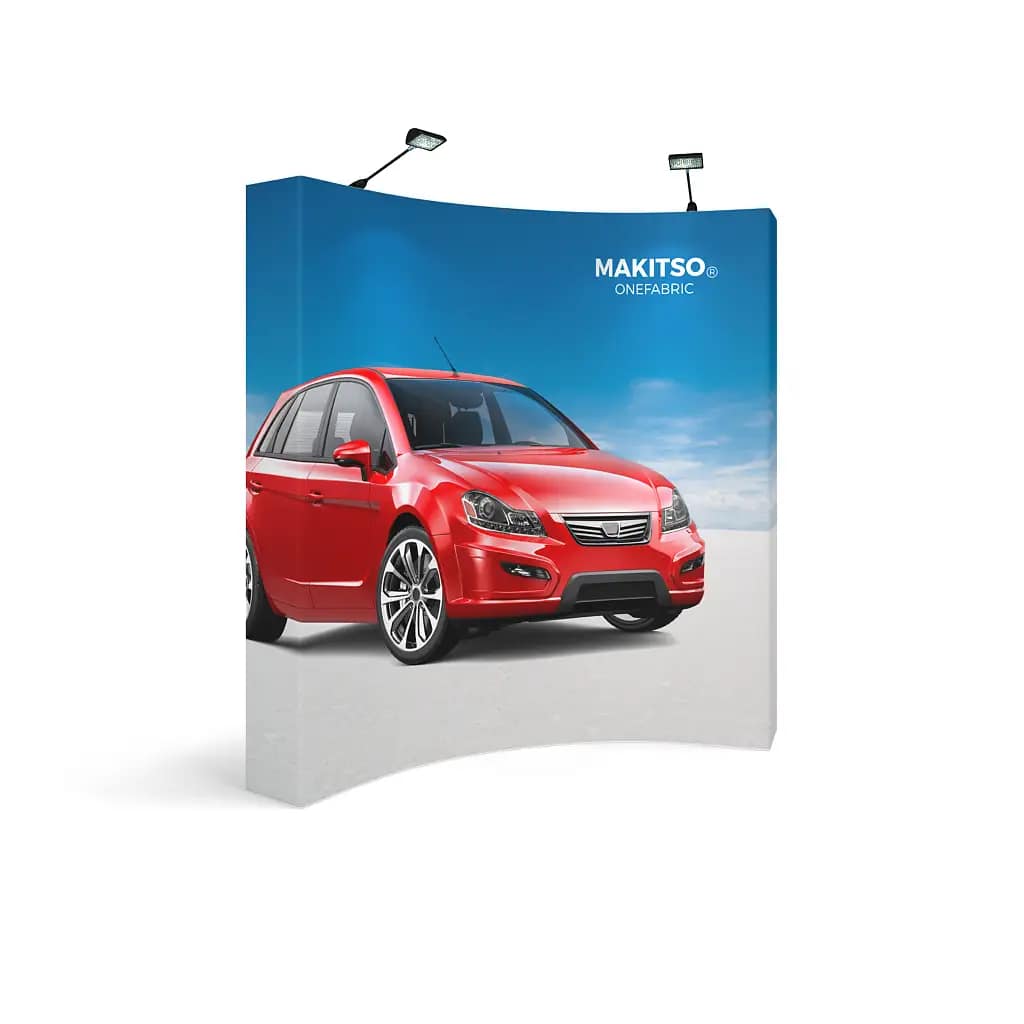
How OneFabric-style pop-up banners work in practice
For organisations juggling multiple venues, the mechanics of transport matter as much as the print quality. Most systems collapse into compact exhibition display systems that fit easily into car boots or onto public transport, making them true easy carry event displays. This portability encourages regional teams, franchisees and sales reps to deploy portable trade show backdrops at short notice, widening campaign reach without the complexity of shipping heavy cases or booking specialist couriers.
- They reduce overall logistics costs compared with traditional panel kits.
- They support rapid installation in tight build windows at conferences.
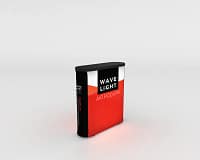
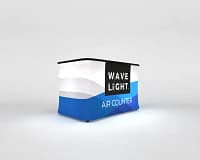
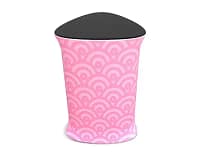
- They integrate well with other event marketing tools such as counters and flags.
- They provide a sustainable alternative to PVC-heavy uk trade show display solutions.
- They can be re-skinned with new graphics for different campaigns or audiences.
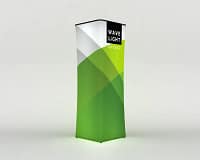
Traditional roller banners and modular panels still have a role, particularly for semi-permanent installations where rigidity and straight lines are essential. Custom fabric displays excel as portable advertising solutions, while rigid systems often suit corporate receptions or long-term retail placements. Many brands run a blended kit, pairing reusable tension fabric stands for hero messaging with budget rollers for breakout rooms or sponsor zones, ensuring each environment has an appropriate and cost-effective presence.
When deciding between systems, marketers should weigh frequency of use, available storage, and who will physically move the kit. Teams constantly on the road often gain the most from OneFabric Pop-Up Banners, as the frames are durable, the graphics are reusable and updates are straightforward. For organisations seeking genuinely flexible uk trade show display solutions, a conversation with a specialist can clarify which mix of fabric pop-ups and legacy hardware offers the best long-term value and brand consistency.
To move forward confidently, map your event calendar, estimate transport and build time for each venue, and compare how different solutions will perform across the season. Consider where lightweight fabric pop up displays might replace older hardware, and where existing stock can still earn its keep. If you are reviewing your exhibition kit, now is an ideal moment to speak with a visual communications expert, request tailored advice and plan a balanced, future-ready display strategy that keeps options open while controlling costs.