WaveLight® Casonara Towers vs. Traditional Exhibition Displays: A Comparison
Understanding modern exhibition display options
For UK marketers, the choice between modern illuminated display towers and traditional exhibition displays now extends well beyond basic pop-up stands. LED-lit fabric towers, modular aluminium systems and bespoke builds all compete for attention in crowded halls where visibility is at a premium. WaveLight® Casonara Towers sit firmly in the illuminated fabric light box category, pairing backlit graphics with a compact footprint to create lightweight exhibition landmarks that can be seen across the venue. By contrast, more conventional units, from roller banners to timber builds, prioritise physical structure over integrated lighting. Understanding how these contrasting formats work is the first step towards selecting the most effective solution for your events calendar.
How WaveLight® Casonara Towers work
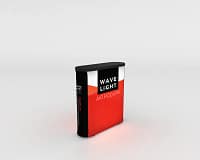
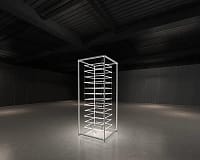
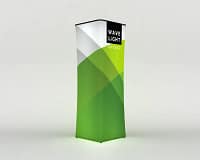
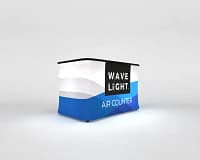
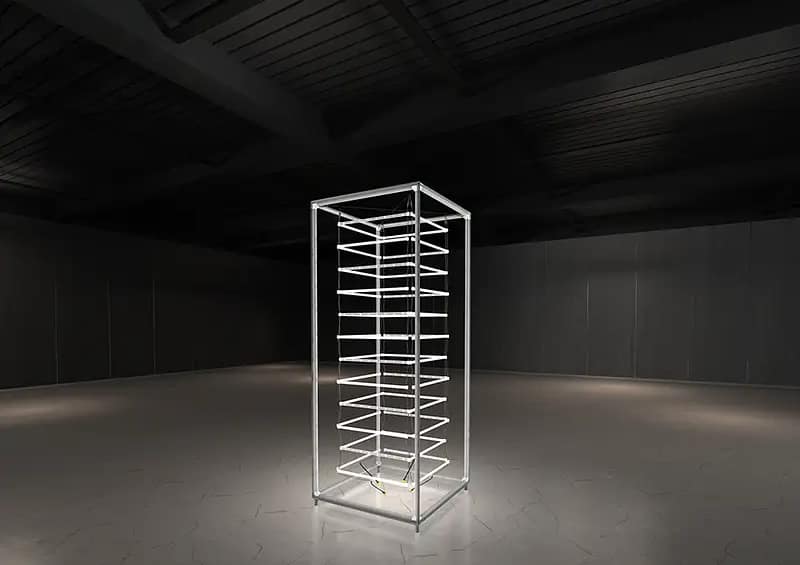
These towers use internal LED lighting and tensioned fabric graphics stretched over an aluminium frame, creating a seamless, 360-degree illuminated surface. The dye-sublimated fabric delivers high-resolution imagery, similar to SEG fabric tower displays, ensuring brand colours appear consistent under bright show lighting. Units pack down into carry cases and are designed as tool free tower systems, enabling rapid assembly by a small in-house team rather than specialist contractors. Because graphics can be re-skinned between campaigns, they function as reusable branded towers that support evolving messages and seasonal promotions. For brands attending multiple regional and national shows, this mix of portability, visual impact and reuse makes them compelling portable exhibition solutions.
Traditional exhibition displays explained
Traditional displays span simple roller banners, shell-scheme graphics and fully custom-built stands using timber, metal, glass and integrated AV. These approaches excel when exhibitors need premium trade show columns, enclosed meeting rooms or hospitality areas that echo permanent brand environments. However, they are typically heavier, with higher transport, storage and on-site labour demands, especially for multi-storey structures or backlit retail display pillars. Custom display towers built in wood or metal can be tailored precisely, but they rarely match the speed and flexibility of portable LED towers. As a result, many brands now mix permanent architecture with plug-in illuminated elements to balance impact and practicality.
Key comparison: impact, flexibility and cost
On impact, internally lit towers act like vertical beacons, cutting through visual noise in busy halls and supporting focal points such as product launches or LED lighted podiums. Traditional builds, meanwhile, offer expansive canvases for storytelling but can struggle to stand out without substantial lighting budgets. Flexibility is another dividing line: modular towers can be redeployed across different stand sizes, while large custom structures are often tied to specific floorplans and venues. From a cost perspective, bespoke stands usually require higher upfront design, fabrication and storage investment, whereas custom display towers based on fabric and aluminium spread value across multiple appearances. For marketers under pressure to prove ROI, that repeat use can be decisive.
- Assess how often your brand attends trade shows, conferences or retail promotions each year.
- Map your space needs, from meeting rooms and hospitality areas to simple brand beacons.
- Compare logistics: weight limits, vehicle sizes, storage access and onsite build times.
- Review how frequently your creative campaigns change and whether graphics must be refreshed.
- Consider sustainability goals, including reuse of hardware and minimising build-and-burn waste.
When weighing options, start with objectives: is your priority immersive architecture, or high-impact illuminated display towers that can travel with a small team? Brands with a heavy UK show schedule often favour systems like WaveLight® Casonara Towers that combine rapid setup, re-skinable graphics and consistent lighting across venues. Occasional exhibitors at major flagship events may still justify full custom builds to create distinctive environments and integrated product demo zones. Many marketers now adopt a hybrid approach, coupling structural stands with SEG fabric tower displays for added height and visibility. To make an informed choice, speak with an exhibition specialist who can benchmark solutions, stress-test budgets and recommend the right mix of structures and backlit elements.