WaveLight® Air Podiums vs. Traditional Lecterns: A Comparison
Understanding the shift in event presentation equipment
Across the UK, organisers are rethinking how speakers appear on stage, weighing up WaveLight® Air Podiums vs. Traditional Lecterns: A Comparison as part of a wider rethink of event presentation equipment. As conferences, exhibitions and hybrid events accelerate their schedules, furniture that was once purely functional is now expected to support branding, atmosphere and quick turnarounds. Portable display solutions are increasingly factored into venue contracts and production budgets, particularly for itinerant roadshows. Against this backdrop, the choice between modern inflatables and classic timber or acrylic lecterns has become a strategic decision. Understanding how each option performs helps planners match the right podium to the right format.
What are WaveLight® Air Podiums and how do they work?
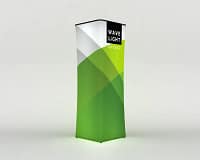
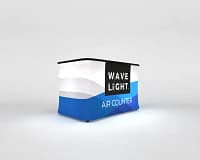
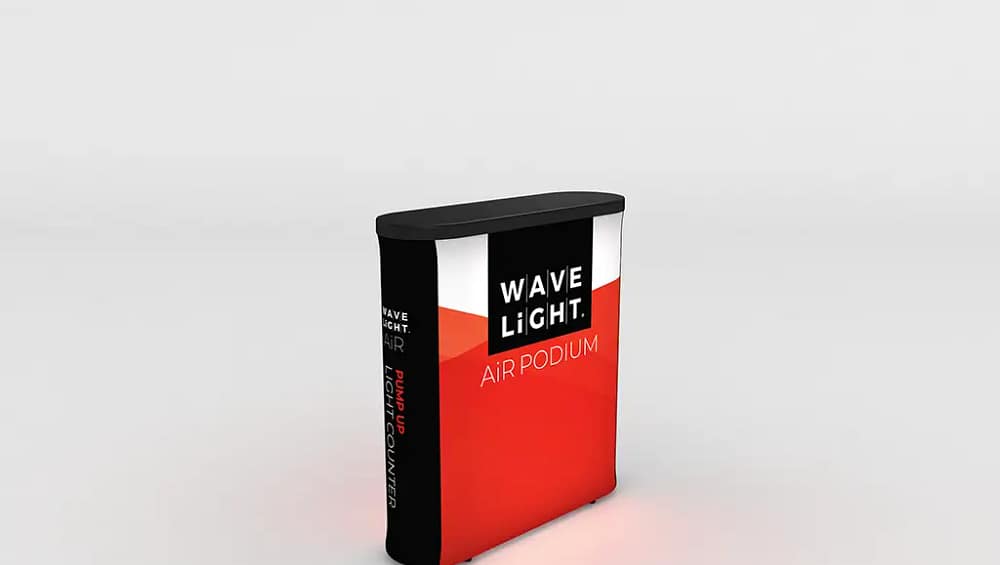
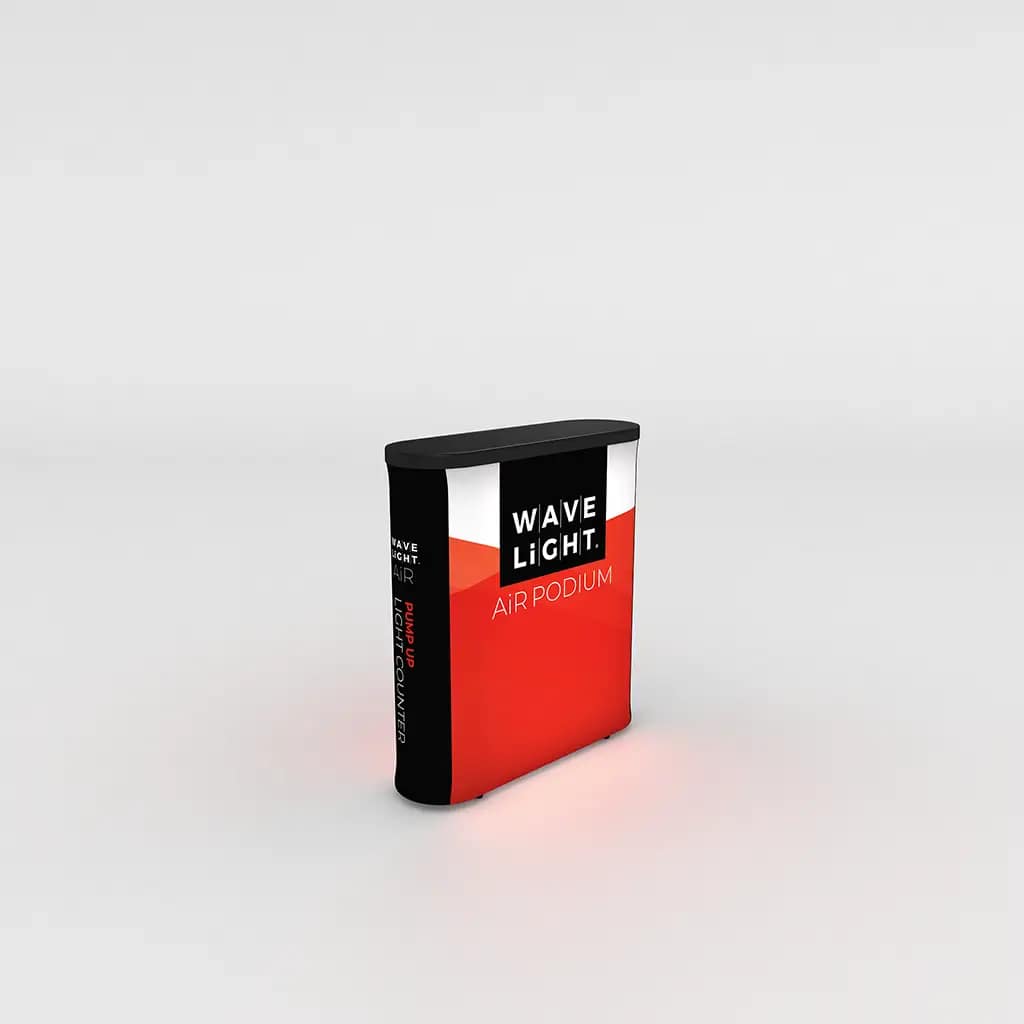
WaveLight® Air Podiums are inflatable, LED-lit, lightweight podium displays built for rapid deployment and easy transport. A compact pump inflates the airtight structure within minutes, while internal lighting creates illuminated presentation stands that stand out in darker conference rooms or busy exhibition halls. Interchangeable fabric skins enable highly customisable podium designs, with graphics ranging from core branding to sponsor takeovers. Because they pack down into a small case, these portable event podiums are attractive to agencies juggling multiple venues with limited storage. For brands seeking reusable trade show furniture, the ability to refresh graphics without replacing the hardware can be a cost-efficient advantage.
How traditional lecterns compare
Conventional lecterns, typically built from wood, metal or acrylic, remain a mainstay of formal events from civic ceremonies to academic graduations. These compact conference lecterns provide a solid reading surface, space for notes or laptops and, in many cases, discreet cable management and microphone mounts. Their weight lends physical stability and a sense of permanence that many speakers find reassuring. For occasions where decorum and institutional authority are paramount, classic designs may still outperform branded inflatable lecterns in terms of perceived gravitas. However, their bulk and limited customisation can be challenging for touring events with tight load-in windows or complex staging.
Key decision factors for planners
When evaluating WaveLight® Air Podiums vs. Traditional Lecterns: A Comparison, planners should start with venue logistics, event tone and branding priorities. Multi-day congresses in fixed auditoriums may favour traditional units for durability, while touring product launches might lean towards modular exhibition podiums that travel in a car boot. For brand-led experiences, custom printed speaker stands with strong LED backlighting can double as visual focal points and sponsorship assets. In contrast, solemn commemorations or high-level political announcements often demand the understatement of classic timber furniture. Considering transport, storage, insurance, crew time and the need for consistent visuals across locations will help narrow the field.
- Assess how often your podium needs to travel between venues and what vehicles are available.
- Clarify whether formality, innovation or brand impact is the primary objective for your stage set-up.
- Check power access and lighting conditions to judge the value of LED-illuminated structures.
- Evaluate storage space, setup time and crew skills required for each type of podium.
- Plan how frequently graphics or sponsor messages will change across your event calendar.
For organisers seeking a balance between flexibility and professionalism, WaveLight® Air Podiums can sit alongside traditional lecterns rather than replacing them outright. Some programmes deploy classic units for plenary sessions while relying on illuminated inflatables as customisable side stages, breakout areas or media interview points. This mixed approach takes advantage of both portable event podiums and heritage furniture within a single production design. To map these options to your specific calendar, consulting an experienced staging supplier can clarify costs, risks and branding opportunities. Speak with an expert to compare configurations, test different podiums on-site and decide which mix best supports your speakers and audiences.