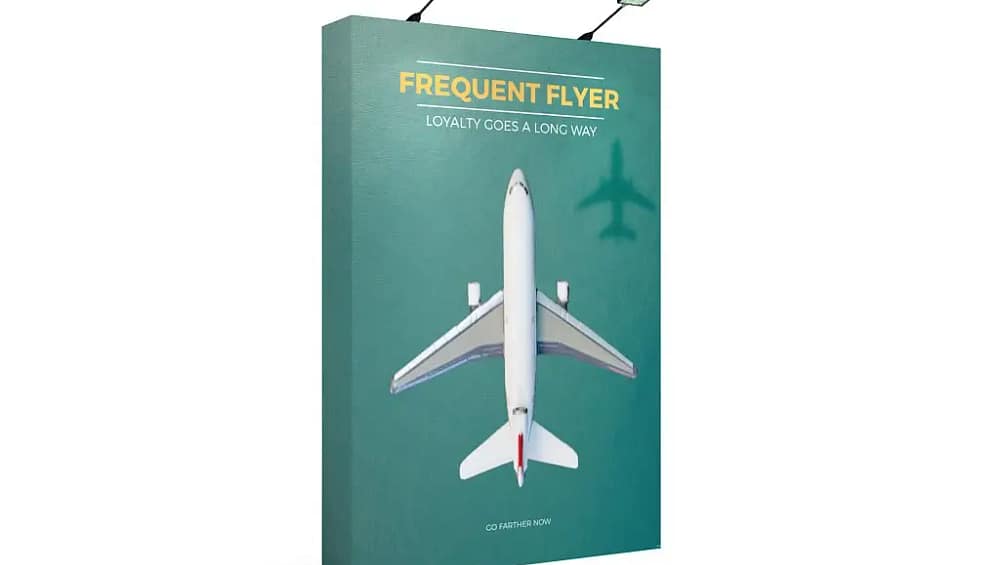
In a digital-first exhibition hall, it is easy to overlook how much your physical presence still shapes visitor perception. While LED screens and interactive demos dominate attention, neglected exhibition banners can quietly erode credibility. For UK exhibitors, the real risk is not a lack of technology, but relying on dated hardware that slows setup, increases costs and weakens brand impact.
Why exhibition banners still matter in a digital-first world
Exhibition banners remain one of the few elements every passer-by can see, even when your stand is crowded. They anchor your message, frame your team and signal whether your organisation is worth approaching. When exhibition banners are creased, off-brand or poorly positioned, visitors often assume the underlying offer is equally disorganised, no matter how strong your product or service may be.
What makes modern fabric pop-up systems different?
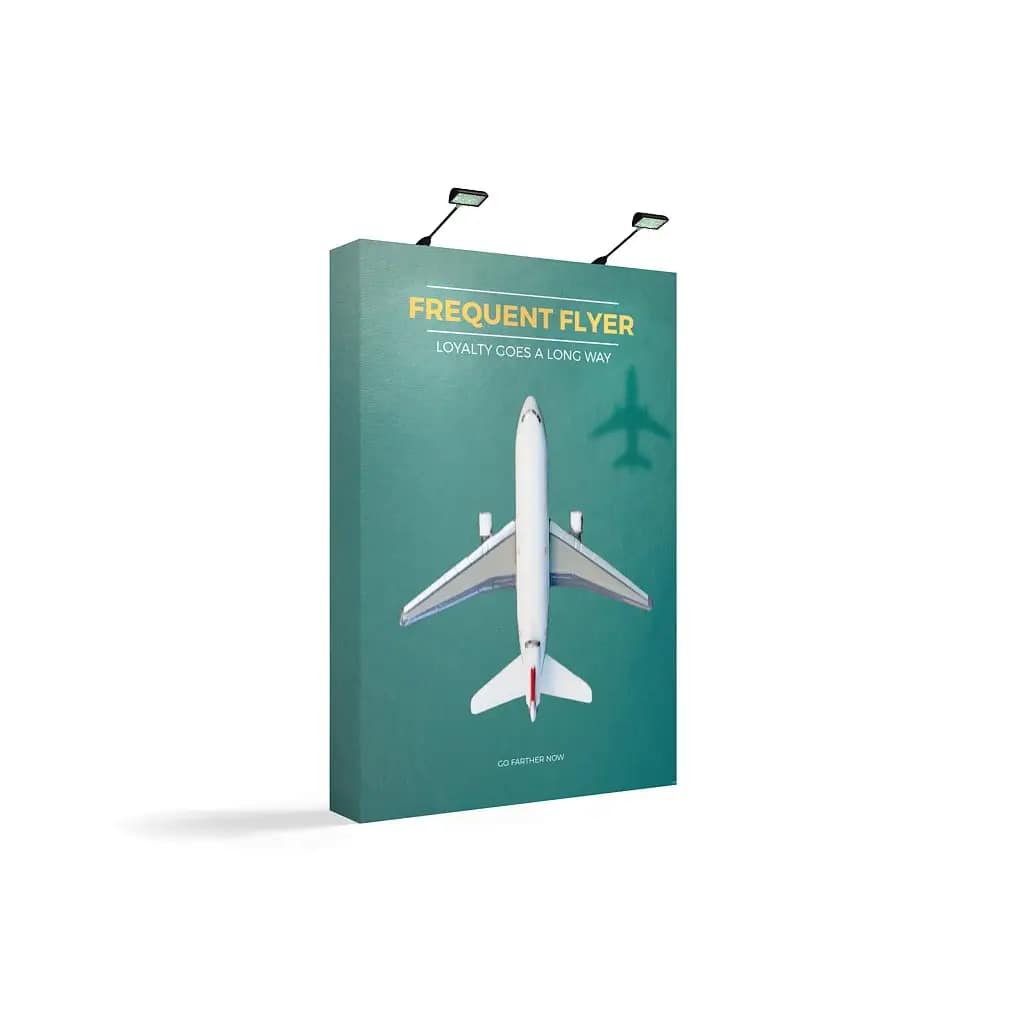
Traditional PVC roller banners were designed for occasional use, not demanding trade show schedules. They can curl at the edges, warp under harsh lighting and quickly look dated. By contrast, tension fabric pop up stands stretch printed graphics over an aluminium frame, creating a smooth, low-glare surface. This allows richer colour, sharper imagery and more consistent branded fabric backdrops across multiple events.
How problems show up on the exhibition floor
The warning signs usually appear during the frantic hour before doors open. Cases that are too heavy for one person, graphics that refuse to sit straight, or frames that wobble on thin carpet can all derail a carefully planned campaign. Teams often waste valuable time wrestling with collapsible marketing displays instead of rehearsing pitches or engaging early visitors.
- Banners that take more than 20–30 minutes to assemble.
- Hardware requiring tools, ladders or extra staff just to build.
- Graphics arriving creased, scuffed or visibly worn after a few shows.
- Stands that need courier pallets rather than fitting into a car.
- Teams avoiding smaller events because transport and setup feel too hard.
Behind these symptoms sit deeper structural issues with many UK exhibition display solutions. Older systems were not designed for frequent travel on public transport, tight loading bays or compact hotel rooms doubling as storage. Heavy, tool free display stands may sound convenient on paper, but if they are bulky and fragile in practice, they quickly become a barrier to agile event marketing.
These inefficiencies carry financial and strategic costs. Staff pulled into early build slots or late dismantles have less time for follow-up, networking and on-stand demos. Over a year, wasted hours, repairs and additional shipping for portable trade show displays can outstrip the original hardware price. Reusable event display systems that genuinely support fast, low-stress builds are increasingly seen as essential event marketing tools.
Exhibitors are also starting to question whether their current solutions match modern sustainability expectations. Lightweight fabric exhibition stands and custom fabric displays typically use fewer bulky plastics and can be refreshed with new graphics rather than replacing entire units. OneFabric Pop-Up Banners, for example, keep the graphic attached to the frame, supporting quick set-up and easier transport as part of broader portable advertising solutions.
For organisations attending multiple UK shows each year, the bigger risk is complacency: assuming that awkward, time-consuming builds are simply “part of exhibitions”. As schedules tighten and budgets face scrutiny, stands that hinder agility can quietly suppress return on investment. If your team dreads the logistics more than the conversations, it may be time to reassess your display strategy.
Review your exhibition banners before your next booking: time your setup, inspect wear and tear, and ask your team where frustrations arise. If you recognise the warning signs, consider speaking with a specialist in UK exhibition display solutions to explore more efficient systems and plan your next step before another event passes with avoidable waste.