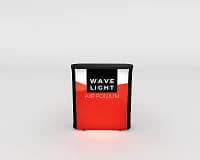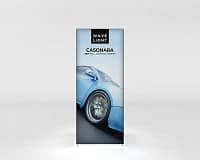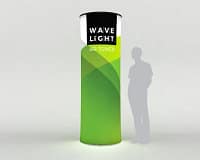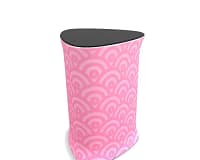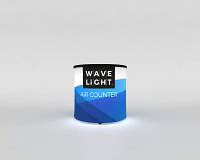
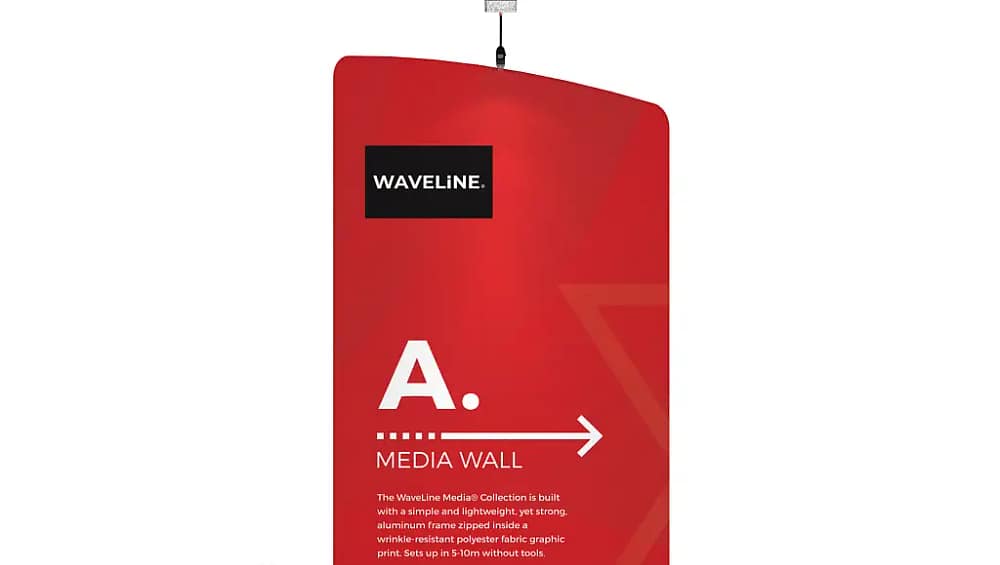
WaveLight Tension Fabric Banners are now a familiar sight at UK trade shows, retail launches and corporate events, yet many teams know little about the materials behind them. That lack of understanding can hide problems with print quality, safety and durability. These systems typically combine a polyester stretch fabric, produced via dye-sublimation printing, with a lightweight aluminium frame that locks together on site. When specified correctly, they offer bright, seamless stretch fabric signage that travels easily and sets up quickly.
Understanding What WaveLight Tension Fabric Banners Are Made Of
The core fabric is usually a knit polyester engineered to stretch evenly across the frame without sagging or rippling. Dye-sublimation infuses inks into the fibres, supporting high-quality printed fabric signs that resist cracking and peeling in transit. Frames are commonly made from anodised aluminium, balancing strength with minimal weight for portable tension banner stands. Many systems also use silicone edging to keep graphics precisely tensioned, which is critical for UK trade show fabric displays photographed under harsh lighting.
Why Banner Material Composition Matters for UK Events
Material choices affect how colours appear under LED spotlights and how long graphics remain presentable after repeated installations. Inferior fabrics may show hot spots when lit from the front or back, undermining the impact of portable illuminated fabric backdrops. Fire safety is another pressure point, as many venues require fabrics to meet BS 5867 or similar standards. Overlooking these details can lead to last-minute rejections at exhibition halls, wasted budgets and reputational damage with stakeholders.
Hidden Risks and Misconceptions Around Fabric Banners
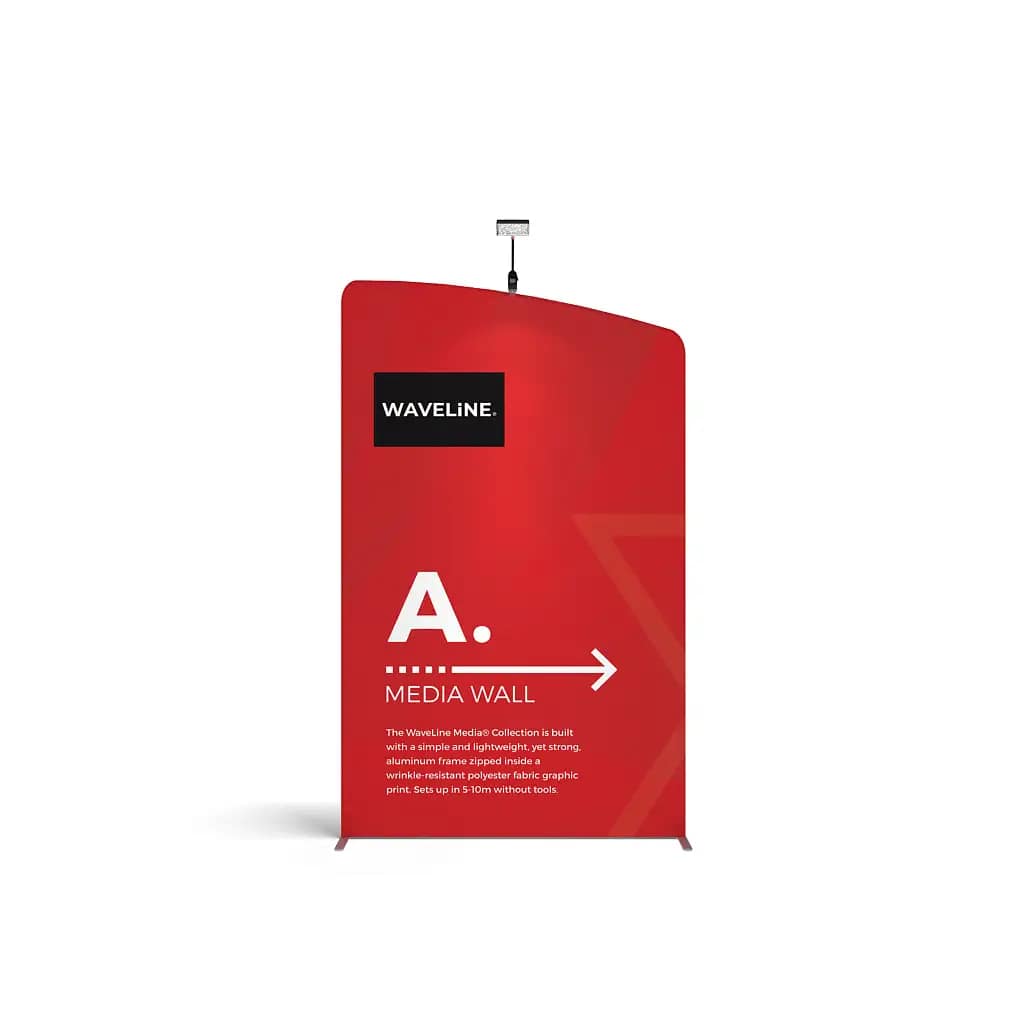
Many marketers assume all custom fabric display solutions perform in the same way, yet cheaper woven textiles can crease badly, dull colours and distort branding. Low-grade aluminium frames may bend after a few transport cycles, forcing teams to rely on tape and improvised fixes. Systems marketed as reusable exhibition banner systems may in reality have graphics that fade quickly when exposed to venue lighting. Without asking about composition, print method and fire testing, it is difficult to separate professional hardware from disposable kit.
- Graphics that look noticeably dull or washed out under LED or fluorescent lighting.
- Fabric that sags, ripples or twists on lightweight fabric display stands after repeated use.
- Frames that no longer sit square, or need tools despite being sold as tool-free tension frame displays.
- Banners that feel heavy to transport compared with modern curved fabric trade show walls.
- Prints that crease badly in storage, or cannot be cleaned as washable exhibition graphics UK venues now expect.
If you recognise these symptoms, it may indicate that your materials are not fit for purpose and that your Wavelight Tension Fabric Banners are underperforming. As budgets tighten, continuing to ship poor-quality hardware between shows can quietly increase costs and carbon impact. Event teams should review whether their systems truly function as portable tension banner stands or demand excessive labour. Speaking with a specialist about lightweight fabric display stands and portable illuminated fabric backdrops can clarify which specifications align with modern venue demands. Before your next campaign, assess whether your current setup genuinely delivers seamless stretch fabric signage or is holding your live marketing back.