Top Applications for WaveLight® Air Wall Lightboxes in 2026
Understanding inflatable LED lightboxes in 2026
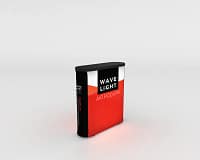
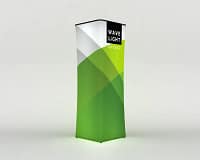
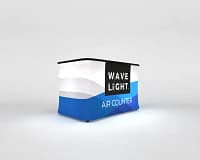
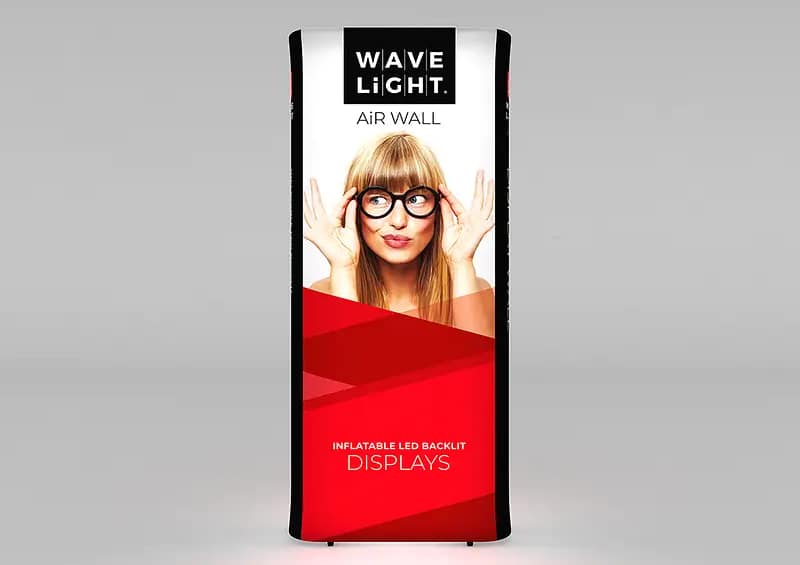
In 2026, the primary keyword WaveLight® Air Wall Lightbox sits at the centre of a fast-growing category of illuminated display solutions. Inflatable LED backlit fabric lightboxes use internal air chambers and integrated LED strips to create bright, seamless illuminated walls that travel easily between venues. Unlike traditional aluminium frames, these units inflate in minutes with an electric pump, then stretch printed fabric over the structure for a clean, continuous image. The effect is comparable to custom fabric lightboxes permanently installed in retail or airports, but with far greater portability. For UK brands running frequent campaigns, this technology offers a practical way to keep visuals fresh without investing in multiple fixed displays.
Top applications for WaveLight® Air Wall Lightbox solutions
Retailers are adopting inflatable lightbox displays for seasonal campaigns, window takeovers and in-store brand zones, where overnight changeovers and tight storage space are constant pressures. At exhibitions, marketers deploy LED backlit event walls as bold backdrops, semi-enclosed meeting pods or social media photo points that draw visitors from across the hall. Event agencies increasingly rely on portable illuminated backdrops for pop-up shops in shopping centres, station concourses and airports, where installation time is heavily restricted. For corporate conferences, air-powered exhibition graphics can define registration areas, press zones and sponsor stages with consistent branding. Touring roadshows also benefit, as teams can reconfigure the same kit for very different venues day after day.
Comparing inflatable light walls with traditional displays
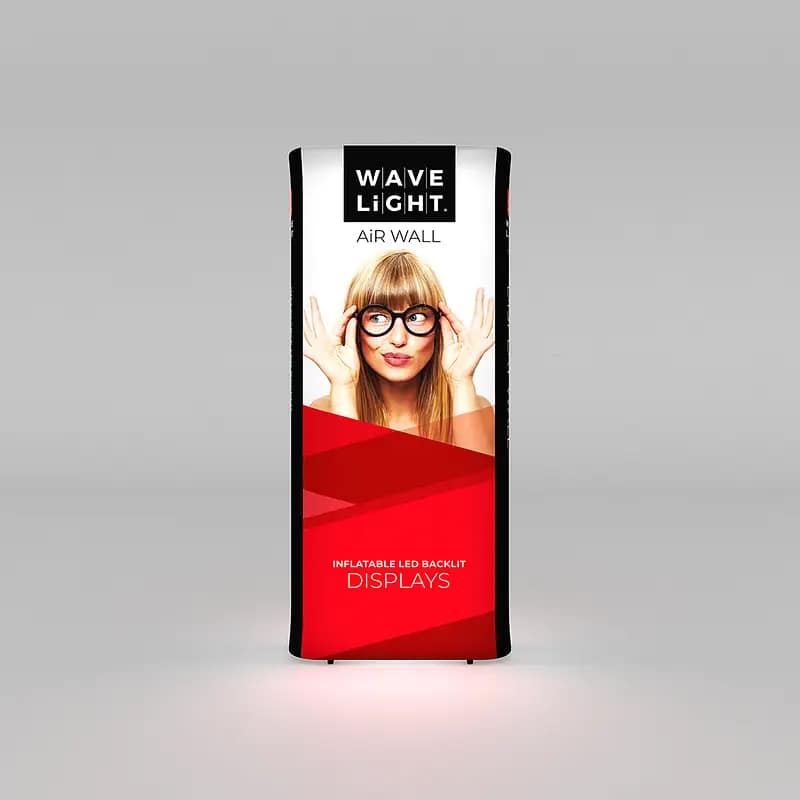
When assessing inflatable lightbox technology against SEG fabric display systems or modular exhibition stands, the main differences are logistics and longevity. Inflatable units are lighter, pack into smaller cases and require far less transport, making them attractive as portable advertising signage for regional teams. Set-up is measured in minutes, with no tools and minimal training, which reduces on-site labour costs and late-night build stress. However, they still rely on power for illumination and fans, so permanent fit-outs may favour rigid reusable branded light frames. Trade show lightbox walls built on aluminium structures can remain in place for months, whereas inflatable systems excel when movement and flexibility are the priority.
Key factors when choosing inflatable LED walls
Buyers should look beyond headline brightness and consider colour accuracy, fabric quality and how graphics will perform under different ambient lighting conditions. Fire-retardant certification is essential for indoor venues, along with venue-compliant cabling and safe placement of lightweight event signage in high-traffic areas. Practicalities matter too, including packed weight, number of cases per unit and whether pumps, carry bags and replacement graphics are included. Sustainability is rising up the agenda, with many UK brands preferring recyclable polyester skins and structures designed for repeated use across multiple campaigns. Comparing inflatable lightbox displays directly with more static solutions helps teams match investment to campaign frequency, staffing resources and storage constraints.
- Clarify whether your priority is speed of installation, maximum brightness, or long-term durability.
- Map your yearly calendar of events and campaigns to see how often graphics and formats need to change.
- Check venue rules on height, fire ratings and power access before committing to any LED structure.
- Compare operating costs, including storage, transport and on-site labour, as well as purchase price.
- Ask potential suppliers for real-world case studies and live demos of air-powered and rigid options.
For complex exhibition programmes or multi-city brand activations, specialist support can turn a clever product choice into a coherent visual strategy. An experienced display partner can advise when inflatable lightbox displays are the right fit and when a hybrid approach with fixed frames is more robust. They can also help you plan sightlines, integrate portable advertising signage with existing fixtures and ensure graphics comply with strict venue regulations. Many agencies now offer consultative planning sessions focused on layout, messaging hierarchy and how to reuse kit across different formats. To compare your options and discuss which illuminated display solutions best suit your upcoming campaigns, consider speaking with a display expert and booking a short consultation.