Event marketers across the UK are investing heavily in illuminated display solutions to stand out on crowded exhibition floors, yet many overlook one critical factor: how these systems are transported. When premium hardware is rushed into basic cartons or handled by inexperienced crews, the risk to your brand presence starts long before the show opens. This gap between careful creative planning and casual logistics is where costly problems quietly develop.
Recognising the hidden risks in transporting LED lightboxes
Transporting LED lightboxes is often treated as a simple delivery task, but the reality on the ground is more complex. Tight build schedules, shared loading bays and multi-drop courier routes expose fragile frames, electrics and seg fabric lightbox graphics to repeated stress. What looks like a harmless bump in transit can later reveal itself as a dead LED strip, warped profile or loose connector when the team is under pressure on site.
Why LED lightbox transport problems matter for exhibitors
In the first few seconds a visitor glances at your stand, uneven illumination or scuffed frames can instantly undermine even the strongest messaging. High-impact backlit displays are designed to create a clean, premium aura; any visible damage is magnified under bright, even light. For brands relying on custom lightbox designs as a focal point, a single non-functioning unit can make an entire space feel unfinished or neglected, especially in comparison with well-prepared neighbouring stands.
Common warning signs your lightbox logistics are failing
Several recurring patterns suggest that transport routines are putting equipment at risk. Graphic panels travelling in soft sleeves, or loose within general cartons, are highly vulnerable to creasing and edge damage. Aluminium frames shipped without corner protection, foam inserts or clear labelling often arrive with subtle bends that only become obvious during build. When power supplies, controllers and cables are thrown into the same cases as fragile components, minor knocks can turn into intermittent faults once powered up.
- Lightboxes repeatedly needing “on-site fixes” with tape, spare clips or improvised supports.
- Portable illuminated displays taking longer to build because parts are missing, mislabelled or mixed between kits.
- Trade show lighting displays showing patchy brightness due to disturbed LED runs or loose connectors.
- Modular event lightboxes that once assembled cleanly now needing force to align, suggesting hidden warping.
- Teams routinely budgeting for last-minute reprints, courier surcharges or emergency hire units to cover failures.
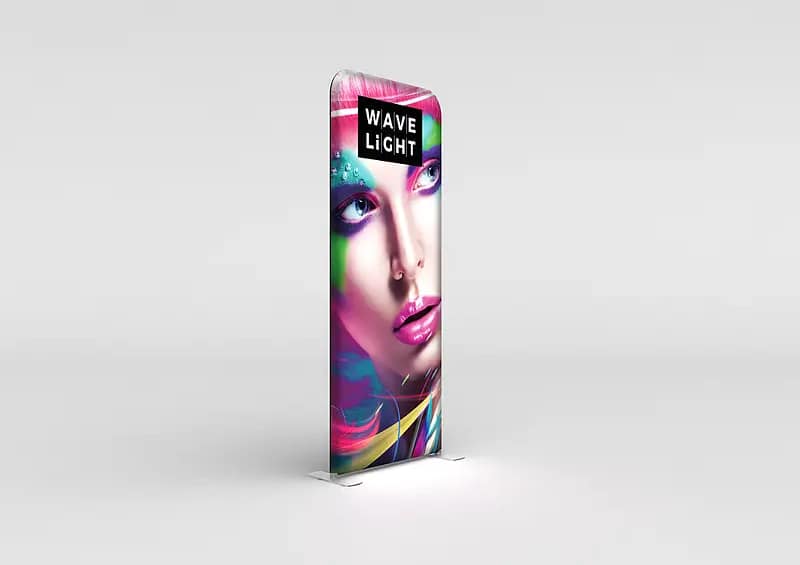
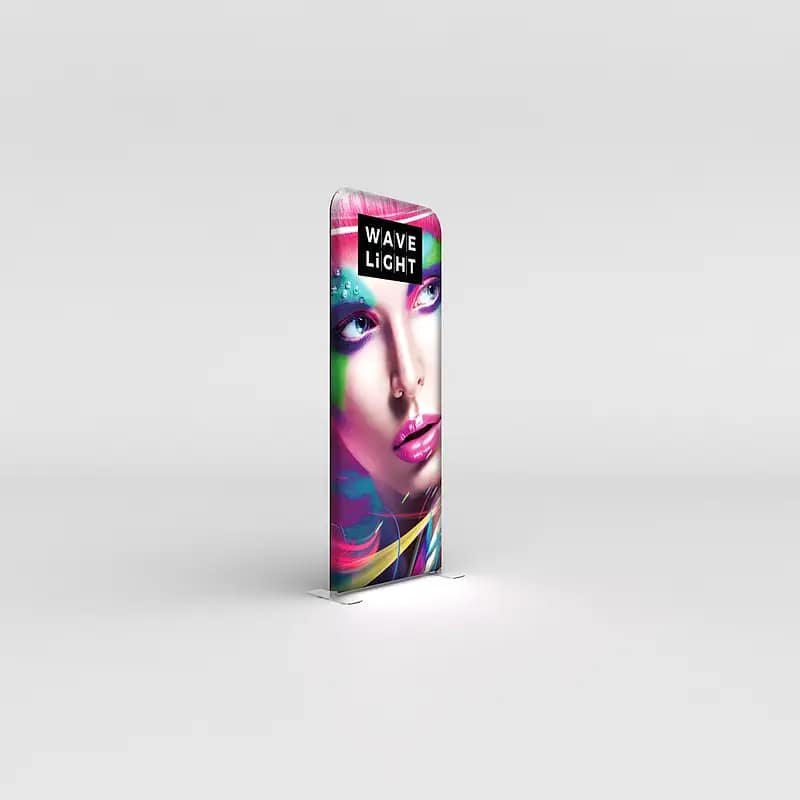
Behind many of these symptoms sit familiar pressures: exhausted crews breaking down stands late at night, rushed pack-downs without reference photos, and reliance on general freight providers with no exhibition experience. Over time, repeated minor impacts turn a reliable system such as a WaveLight® LED Lightbox into an unpredictable liability. The same applies to LED backlit retail signage and custom illuminated retail fixtures moved frequently between stores or events without purpose-designed cases.
The cost of ignoring these early warning signs is rarely limited to hardware replacement. Missed build slots, reduced dwell time and compromised backlit advertising options can erode the return on investment from an entire show calendar. For brands investing in energy-efficient backlit branding and sophisticated modular systems, it is increasingly essential to audit packing methods, case design and handling responsibilities well before peak season. Now is the moment to review how your kits travel, identify weak points, and speak with a specialist about safer, more efficient transport and protection strategies before your next campaign goes on the road.