Why transporting Infinity DNA Pro Banners is riskier than you think
Across the UK exhibition circuit, many teams still treat roller banners as tough, low-risk items. Yet transport data from insurers suggests the opposite, with display graphics among the most commonly damaged assets in transit. When Infinity DNA Pro Banners are moved between offices, conferences and venues, small knocks, moisture or bending can quietly degrade print quality and mechanism reliability. This problem is often overlooked during planning, despite banners being central to many high-quality promotional displays and brand launches.
Common transport mistakes that damage banners
The rush to break down a stand at the end of a long exhibition day is a major factor in banner damage. Graphics are rolled away damp, forced into cases or stacked under heavier kit such as AV hardware and lighting. In crowded vans, cases slide, collide and absorb repeated impact over long motorway journeys. General couriers unfamiliar with UK trade show display systems may stack loads inefficiently, increasing the chance of dents, scratches and cassette failures. Over time, these habits shorten the life of otherwise durable advertising solutions and drive up replacement costs.
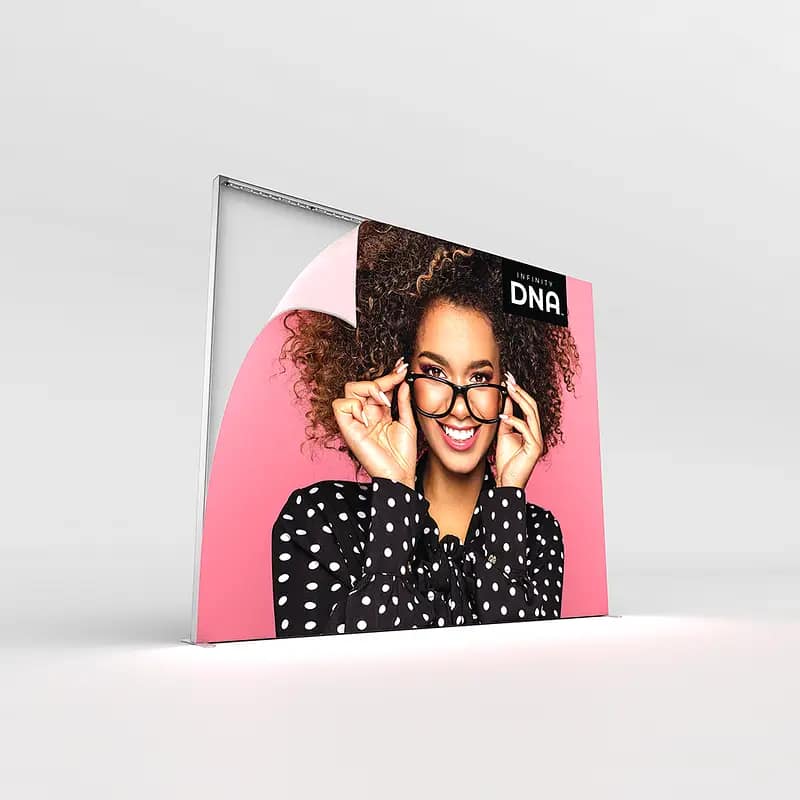
Warning signs your current process is failing
The first evidence of a problem is usually visible on the graphic itself. Scuffs, creases and edge curls mean the banner no longer sits flat, undermining the premium look you expect from modern portable exhibition stand solution options. Cassette mechanisms that feel gritty or uneven when retracting the print indicate internal contamination from dust or impact. Small tears around the top rail, bent support poles or cracked end caps all signal rough journeys. If your team is ordering last-minute reprints before key UK events, your logistics process is almost certainly costing more than you realise.
- Cases stored upright without support, allowing banners to topple and bend during transport.
- Using worn or unpadded bags that no longer protect premium fabric display systems.
- Packing custom fabric banners alongside loose tools, cabling or metal fixtures.
- Sending lightweight trade show graphics with general freight rather than event specialists.
- Failing to label fragile display hardware clearly for drivers and site crews.
These oversights also affect wider display setups such as reusable branded display frames and modular exhibition banner kits, which can arrive with bent rails or distorted joins. Once compromised, structures rarely assemble cleanly, leading to sagging lines and visible gaps. The result is a booth that looks improvised rather than intentional, even when the original design featured professional modular booth backdrops. Over multiple shows, this cumulative wear reduces the value of your investment and makes each installation more stressful for on-site staff.
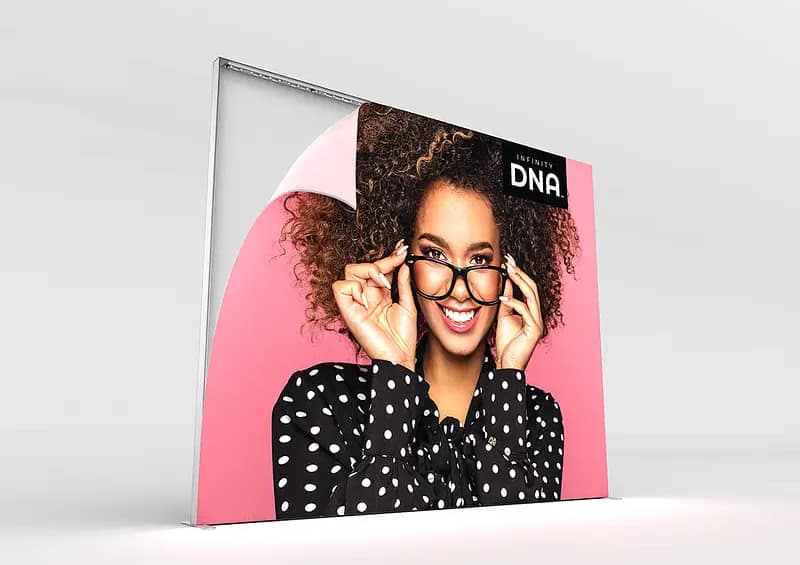
The hidden cost is not just replacement hardware; it is also the impact on brand perception and campaign timing. Damaged Infinity DNA Pro Banners can force teams to remove key messages from the stand, leaving awkward empty space on site. Inconsistent visuals weaken the effect of coordinated campaigns that rely on interchangeable fabric graphic panels across regional roadshows. Organisations that rely heavily on high-quality promotional displays risk undermining hard-won credibility if their kit arrives looking tired or poorly maintained.
A more professional approach to planning, packing and transport can significantly extend the working life of your display assets. Event teams that audit their logistics, clarify responsibilities and document packing procedures tend to experience fewer last-minute crises. Reviewing how you move premium fabric display systems and other UK trade show display systems is a practical first step. Before your next event, assess how your banners travel, then speak with an exhibition logistics specialist to refine your process. Taking action now can prevent avoidable damage and safeguard future campaigns.