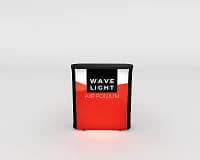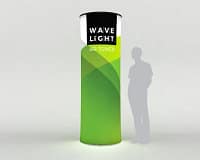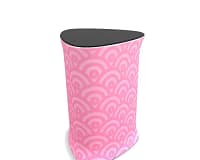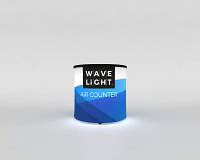
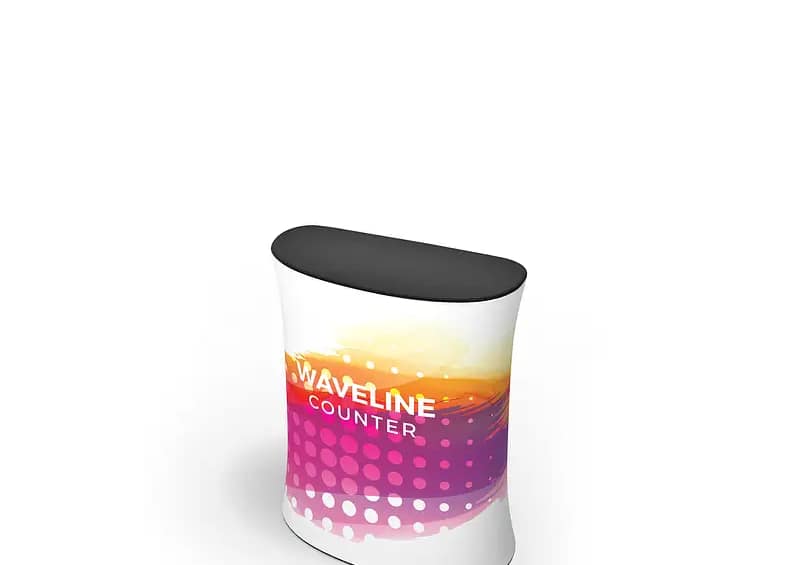
What Are WaveLine® Counters Made Of? Materials Explained
For UK marketers planning busy exhibition calendars, few questions are asked less often – yet matter more – than what their display counters are actually made from. The primary issue is simple: if you do not understand the materials in your counters, you cannot accurately judge how they will cope with touring, storage and repeat builds. Most systems combine aluminium framing, MDF tops and fabric graphics, but the quality of each component varies widely. Overlooking this detail can quietly erode your budget and your brand presence at events.
The hidden risk of not knowing your display counter materials
Many teams treat counters as a low-interest line item, assuming anything marketed as portable exhibition solutions will be “good enough”. Yet material shortcuts are rarely obvious at the point of purchase, emerging only after repeated loading, unloading and assembly across the UK. Frames that seemed solid in the office can wobble on uneven venue floors, while cheaply finished tops scuff during the first busy show. Once graphics begin to sag or crease, staff often blame handling rather than the underlying specification.
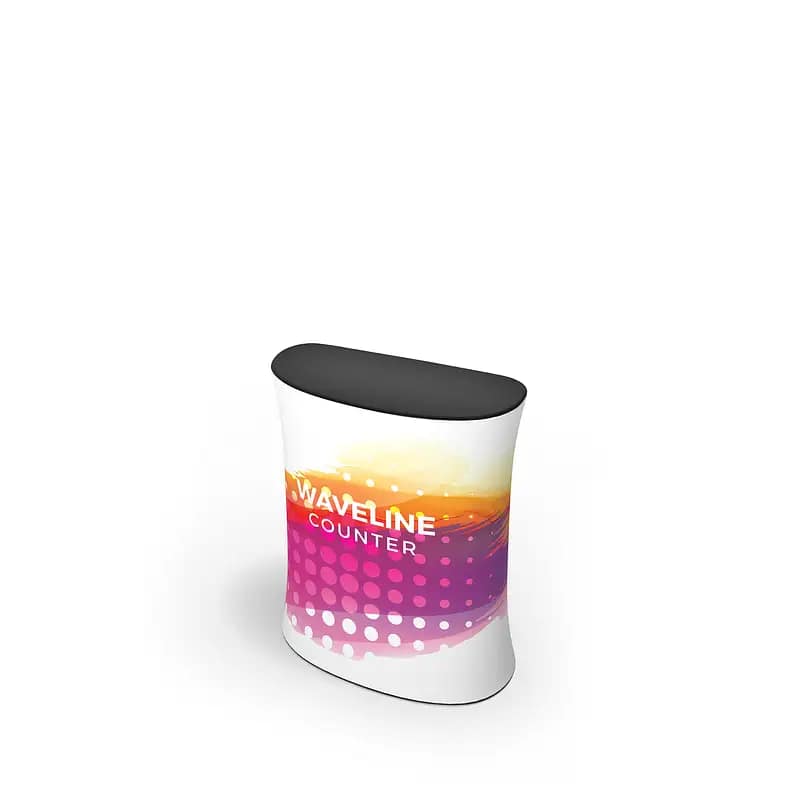
Why counter materials matter for durability and ROI
Material choice becomes critical once you expect counters to survive multiple show cycles. Low-grade aluminium can deform if dropped, turning lightweight exhibition counters into unstable liabilities that staff quietly avoid leaning on. Budget MDF may swell when exposed to damp loading bays or cleaning products, leaving tops uneven or flaking at the edges. Inferior fabric, meanwhile, can fade under harsh exhibition lighting, undermining carefully planned branding. Each of these failures chips away at perceived professionalism and shortens the usable life of your investment.
- Aluminium frames should feel rigid under gentle pressure, without twisting at joints or flexing when staff rest weight on the countertop.
- MDF or similar tops need a durable edge finish that resists chipping during transit in flight cases or vans.
- Fabric graphics should stretch smoothly over frames, with no persistent ripples, bagging or visible stress at corners.
- Zips, seams and edging must withstand regular assembly without fraying, tearing or losing tension around the structure.
- Packed components should remain square and true after events, a key test for reusable event furniture expected to tour for years.
Misconceptions also keep brands tied to underperforming kit. Some teams assume all custom display counters are effectively identical apart from artwork, focusing solely on design rather than structure. Others believe heavier always equals stronger, overlooking well-engineered modular display counters that combine rigidity with ease of transport. There is also a lingering belief that fabric-based systems inevitably wrinkle, despite modern tension fabric display stands being designed to maintain a smooth, taut finish when assembled correctly.
As schedules intensify and product demos become more interactive, the load on your counters only increases. Brands adding more UK venues or experimenting with portable branded reception desks place extra strain on frames, tops and fixings. When staff begin informally reserving “the good counter” or hiding damaged units at the back of the stand, it is often a sign that specifications no longer match real-world demands. At this stage, understanding exactly how WaveLine® Counters are constructed becomes essential to preventing mid-season failures.
For marketers reviewing trade show display options, the material conversation should sit alongside discussions about layout and graphics. Comparing UK exhibition counter solutions on specification – not just price and visuals – helps identify which systems will genuinely function as branded portable counters over multiple campaigns. Teams relying on portable trade show desks for demos or literature need confidence that surfaces will remain stable and presentable, rather than wobbling or marking under everyday use.
Before your next event, take ten minutes to audit your current kit. Check for wobble, chips, faded print and fabric that no longer sits tight, especially on popular portable exhibition solutions used at every show. If you spot recurring issues, speak with an exhibition display specialist to benchmark your materials and clarify whether your counters are built for the schedule you now run. A short consultation can help you plan smarter UK-wide deployments and decide when an upgrade will protect future campaigns rather than reactively fixing problems on-site.