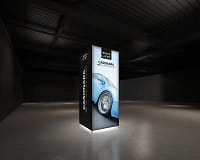
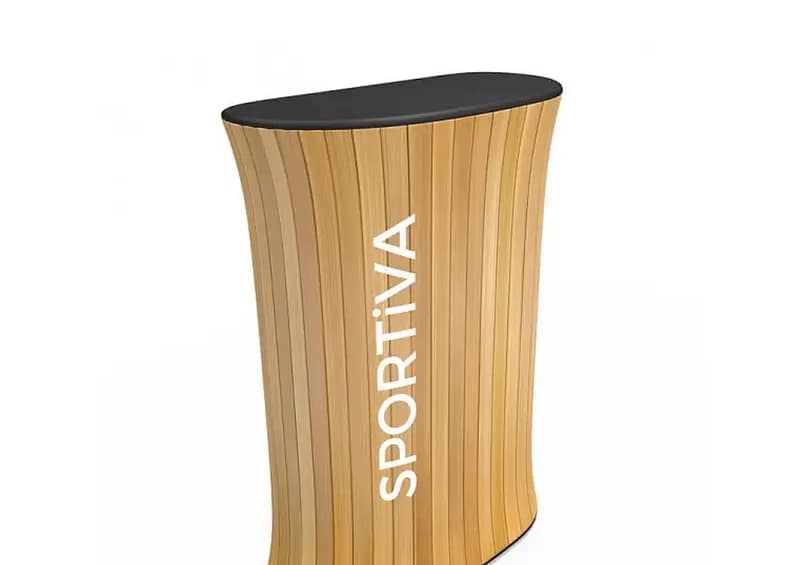
Many UK exhibitors still underestimate how much money they quietly lose at trade shows by sticking with heavy, one-off builds instead of modern portable exhibition counters and modular display systems. Budgets disappear into transport, labour and storage, yet the stand itself often does little to improve visibility or lead quality. As event costs rise and marketing teams are pushed to prove measurable results, this mismatch between spend and impact has become a serious risk for brands that rely on exhibitions to reach buyers.
Portable exhibition counters and modular display systems: the hidden ROI gap
The core problem is not that businesses ignore design, but that they over-invest in static builds and under-invest in flexible infrastructure. Portable exhibition counters and modular display systems are designed to travel, adapt and endure, yet many UK firms still book space around outdated, bulky frameworks. This creates an ROI gap where significant budgets support each individual show, rather than building a reusable asset that pays back over several years and multiple venues.
How outdated trade show display options drain resources
Traditional custom builds typically require specialist crews, complex transport and lengthy build times. This makes attending smaller or regional shows less viable, limiting your event calendar even when the audience is a perfect fit. By contrast, modern portable exhibition solutions and modular display furniture can be configured quickly with lighter components, reducing overtime costs, venue surcharges and reliance on contractors. When these savings are ignored, marketing teams are forced to cut events instead of improving the stand’s effectiveness.
Operational warning signs exhibitors often miss
Several red flags suggest your exhibition kit is working against you. If your team regularly complains about transport headaches, damaged panels or time-intensive set-ups, there is likely a cost issue as well as a stress issue. Repeated repairs to UK exhibition stand counters, or reliance on hired structures each year, also indicate sunk costs that never convert into a long-term asset. When stands are too rigid to scale up or down, marketers may avoid testing new formats such as product demo pods or branded event counters.
- You avoid smaller regional expos because set-up and transport seem disproportionately expensive.
- Your stand design looks dated next to sleek tension fabric display units used by competitors.
- Staff spend more time assembling and fixing kit than engaging visitors on the stand.
- You hire or rebuild large elements every year instead of relying on reusable promotional counters.
- You lack flexible elements such as portable branded reception desks or tool-free exhibition counters.
The cumulative effect of these issues is often invisible on a single event budget, but powerful over a three-to-five-year cycle. Lightweight trade counters and custom display counters can significantly cut logistics costs while improving the visitor journey, yet many brands still treat them as a ‘nice-to-have’ rather than a strategic asset. This also limits the ability to refresh messaging quickly, especially when new product stories or campaigns need to be showcased at short notice across multiple venues nationwide.
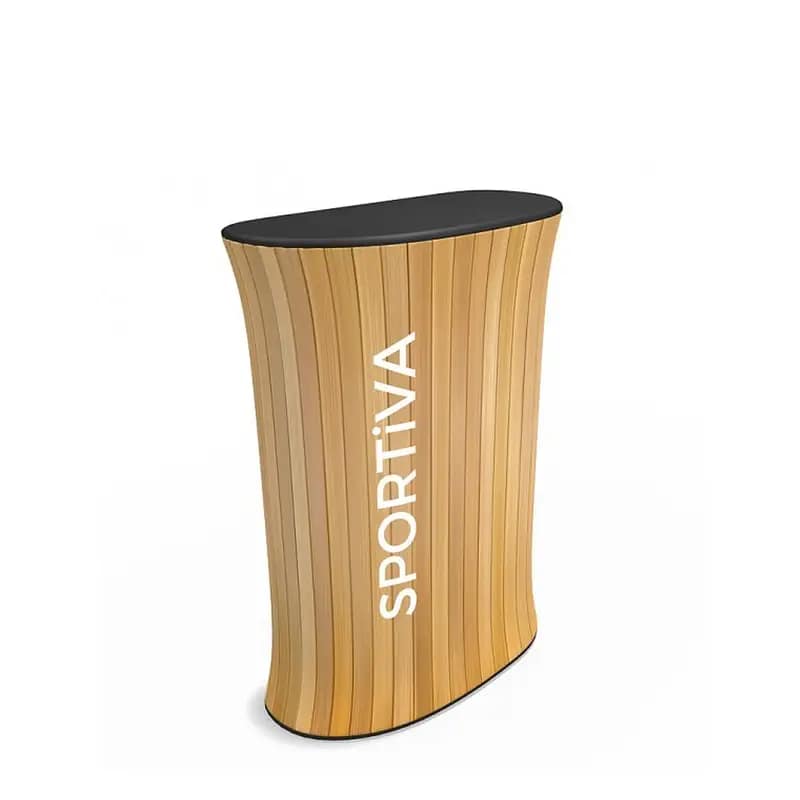
For marketers under pressure to justify spend, reassessing your counter and display strategy can uncover substantial, long-term savings. Portable systems such as WaveLine® Counters help teams reconfigure layouts for different halls and audiences without starting from scratch. As you review your current kit, consider whether your trade show display options support agile planning and credible branding, or simply absorb budget each year. If the latter sounds familiar, now is the time to speak with an exhibition specialist and explore more sustainable, high-impact approaches before another event cycle locks in the same inefficiencies.