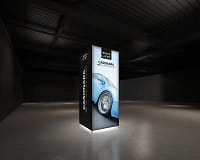
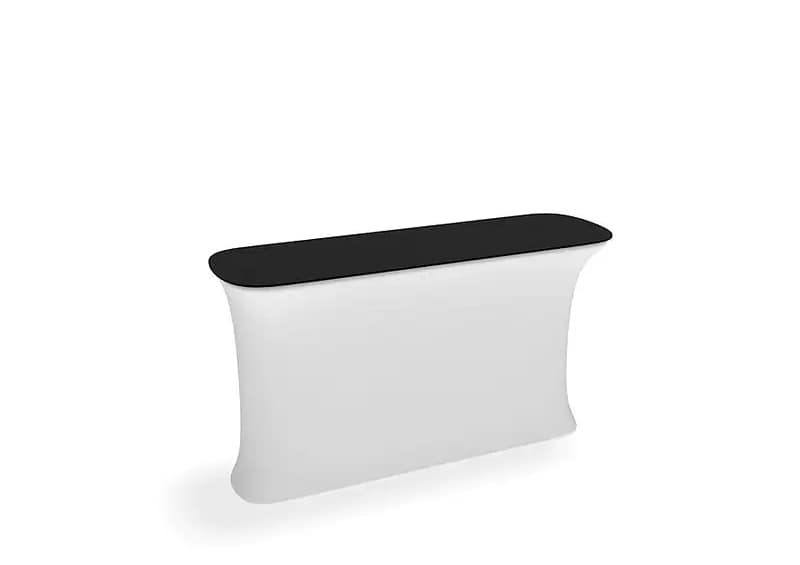
Integrating WaveLine® InfoDesks into your trade show booth design is no longer a nice-to-have detail but a structural decision that shapes how visitors experience your stand. In busy UK exhibition halls, attendees rely on visual cues and clear reception points to decide where to stop. When that central information hub is missing or muddled, even strong brands can appear disorganised, leading prospects to walk past rather than walk in.
Why the Right Information Point Matters
A well-planned information desk functions as the anchor of your stand, guiding traffic, hosting initial conversations and signalling professionalism. Research into visitor behaviour indicates that clear focal points encourage people to pause, ask questions and stay longer. By contrast, improvised tables or generic counters blend into the noise of the hall. For exhibitors investing heavily in modular display solutions, neglecting the information hub can quietly undermine the entire stand strategy.
Common Mistakes with WaveLine® InfoDesks
The most frequent mistake is treating WaveLine® InfoDesks as an afterthought rather than an integral part of the layout. Teams often order counters late, then squeeze them into leftover space near the aisle or hide them behind product displays. This creates congestion, blocks sightlines and makes it harder for staff to welcome visitors properly. Others treat the desk as storage, piling it with catalogues, samples and personal items until it loses any sense of purpose or visual impact.
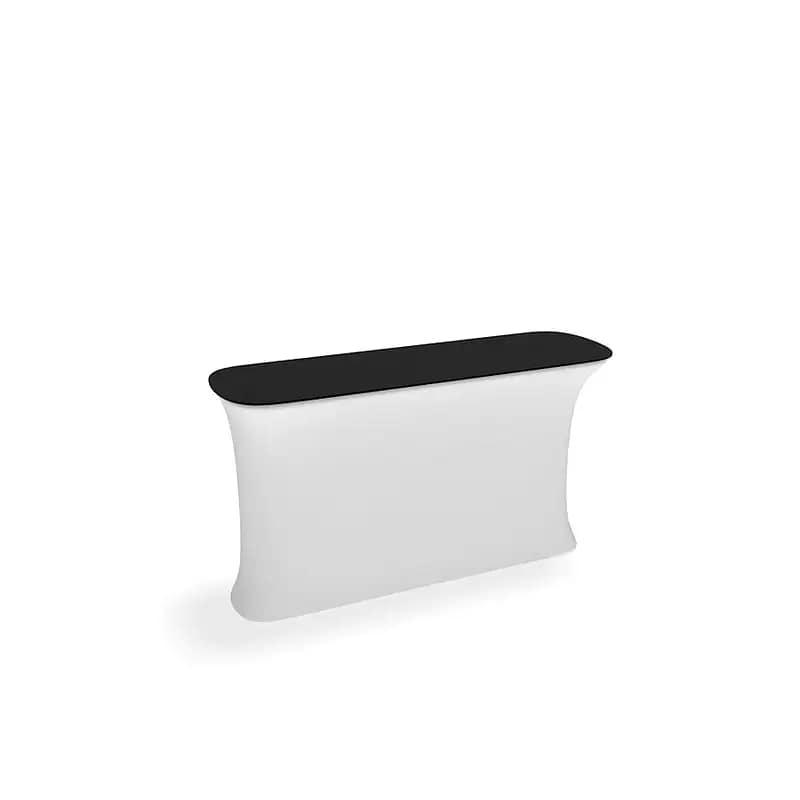
Warning Signs Your Current Set-Up Is Failing
There are clear indicators that your information point is not doing its job. Staff drifting between random tables to greet visitors suggests your reception area lacks definition. If people hover at the edge of your stand, scanning for someone to approach, your desk is either poorly positioned or visually weak. Cluttered surfaces, queues spilling into the aisle and missed chances to capture details are further signs the counter is hindering, not helping, engagement.
- Visitors ask where to register or get information instead of spotting the desk immediately.
- Conversations happen in walkways because there is no defined interaction zone around the counter.
- Your team rarely uses lead capture tools or demos at the desk, relying on ad-hoc chats.
- Graphics on the counter are generic, missing clear messaging, branding or calls to action.
- Traffic flow conflicts with product demos, creating bottlenecks and disrupting presentations.
These issues are compounded when the counter isn’t aligned with the rest of your stand architecture. High-quality modular exhibition counters, portable branded reception desks or custom-branded display furniture can still underperform if they ignore how visitors move through the space. Height, lighting, orientation and proximity to key products all influence whether people feel invited to step in or subtly pushed away. Even sophisticated reusable event counter systems lose value when they are not integrated into a considered plan.
Behind many disappointing trade show results lies a simple planning gap: exhibitors invest in portable modular event stands but overlook how the information hub orchestrates conversations. Without a clear, well-designed reception point, it becomes harder to qualify visitors, manage peak periods or direct people to portable information kiosks and demos. Exhibitors who rely on tension fabric promo counters or tool-free trade show counters without strategic placement risk wasting both floor space and staff effort.
For UK marketers under pressure to justify exhibition budgets, reassessing how your information point works in practice is a pragmatic first step. Map where visitors currently pause, queue and leave, and note how your team actually uses the desk during busy periods. If your layout is fighting your objectives, it may be time to seek expert input on lightweight modular kiosks, customisable exhibition counters and broader stand flow. Before your next event calendar fills, book a consultation with a specialist and turn your information desk from a static counter into a focused engagement hub.