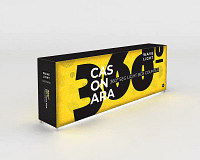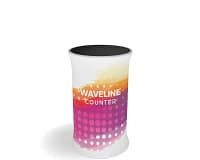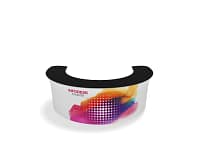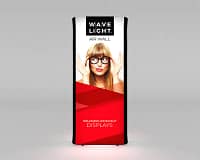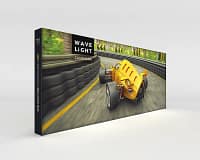
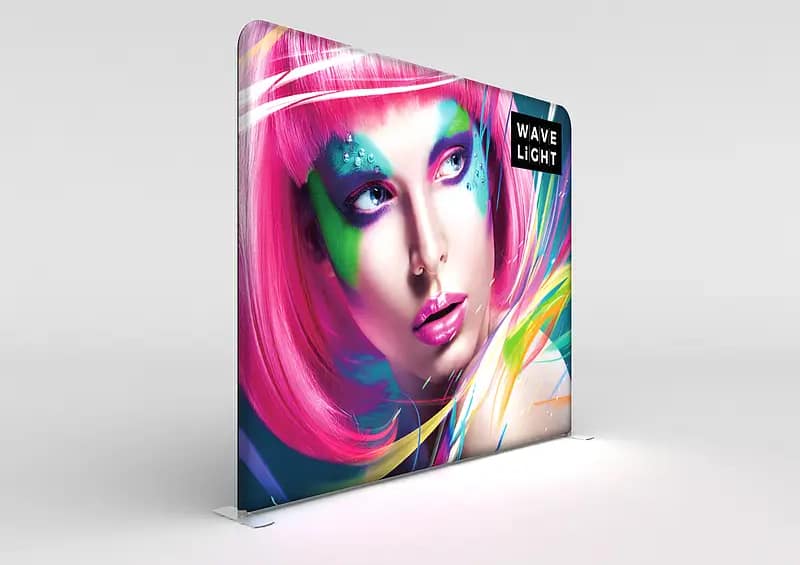
WaveLight LED Lightboxes are rapidly becoming one of the most versatile illuminated display solutions for retailers and exhibitors who need impact without overcomplicating their set-up. By combining bright, even backlighting with slim aluminium frames and fabric graphics, these systems help brands stand out in busy high streets and crowded exhibition halls. This article explains how these lightboxes work, the main solution types available, and how to choose the right configuration for your store, showroom, or event schedule.
How WaveLight LED Lightboxes Work
At the core of WaveLight LED Lightboxes is a frame housing energy-efficient lightbox panels that sit behind a printed textile graphic. The fabric is usually tensioned into place using silicone edging, similar to SEG backlit graphic systems found in premium retail environments. The LEDs are positioned to distribute light evenly, avoiding hotspots that can wash out colours or dull fine detail. For brands, the result is a clean, professional presentation that can be updated quickly by swapping custom backlit display graphics as campaigns change.
Retail and Trade Show Solution Options
In retail, high-impact retail lightboxes are commonly wall-mounted, freestanding, or integrated into window displays to support product launches and seasonal promotions. These same systems translate neatly into trade show lightbox displays, where they become backdrops, counters, or towers that frame key messaging. Portable exhibition lightboxes with tool-free assembly suit brands that tour multiple events and need rapid pack-down between venues. For more permanent installations, modular illuminated branding lets teams reconfigure layouts over time while keeping a consistent visual language.
Choosing the Right WaveLight LED Lightbox Setup
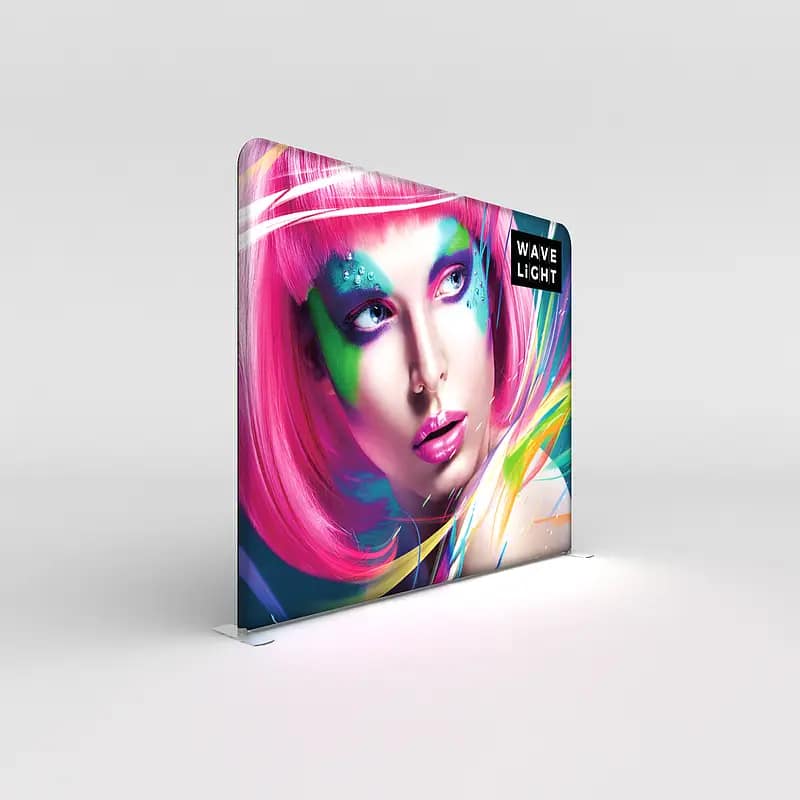
Selecting the best configuration starts with clarifying space, audience, and content. For compact boutiques, LED retail display signage placed at eye level can drive add-on sales at the point of purchase. Larger department stores may favour custom lightbox designs that line walkways or anchor feature zones. Event marketers should balance visual height with portability, weighing slim, single-sided units against double-sided backlit advertising options that capture traffic from multiple aisles. Considering power access, ceiling height, and how often graphics will change helps narrow down the most effective format.
- Assess whether you need fixed, semi-permanent, or fully portable exhibition lightboxes.
- Match graphic size and orientation to viewing distance and average dwell time.
- Confirm brightness levels so messaging remains legible in strong ambient lighting.
- Plan how frequently campaigns will change and budget for replacement graphics.
- Check compatibility with existing fixtures, flooring, and power points across sites.
For teams weighing up different illuminated systems, a WaveLight® LED Lightbox offers a balance of visual impact, running efficiency, and ease of deployment across multiple locations. Many organisations now prioritise energy-efficient lightbox panels to reduce operating costs for long trading hours. When comparing suppliers, look for robust frames, reliable LED warranties, and clear support for design setup so artwork translates crisply at scale. To explore the most suitable configuration for your store or event calendar, consider speaking with a display specialist who can review floor plans, campaign goals, and budget, then recommend a tailored mix of solutions.