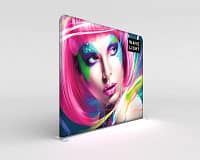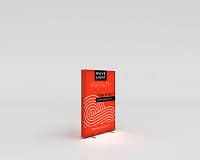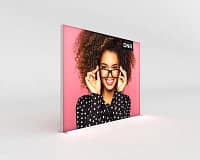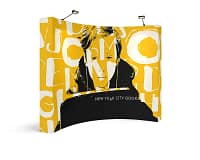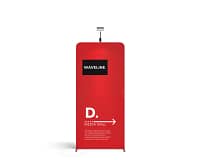
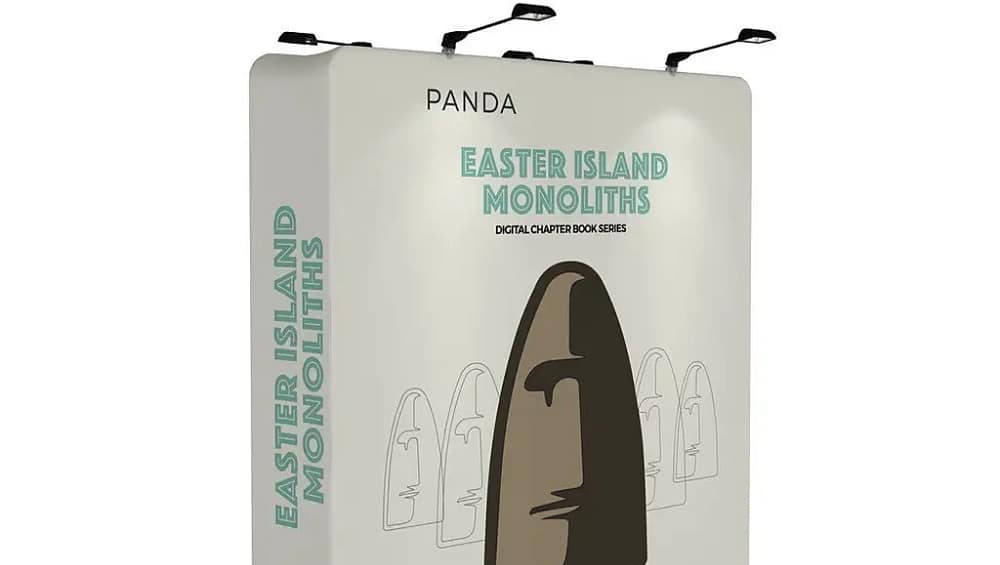
WaveLine® Monolith Banners are reshaping how UK retailers and event organisers think about physical brand presence. Unlike traditional portable banner stands, these slim, fabric-based structures deliver a large, uninterrupted canvas that works as both signage and storytelling surface. As marketing teams face shorter dwell times, rising costs and pressure to evidence ROI, WaveLine Monolith Banners offer a practical route to more agile, measurable visual communication.
Forward-thinking brands now treat every square metre of display hardware as a strategic asset, not a decorative afterthought.
Why WaveLine® Monolith Banners are gaining traction
The shift from rigid hardware to premium fabric banner systems mirrors broader changes in retail and event economics. Lightweight aluminium frames and tensioned fabric skins reduce freight costs, simplify installation and make nationwide rollouts more consistent. Crucially, graphics can be refreshed without replacing the structure, transforming displays into reusable branded display solutions that support sustainability targets as well as budget control.
Retail: from simple signage to connected storytelling
In-store, these indoor retail banner displays do more than shout “SALE”. Their vertical footprint fits entrances, narrow aisles and promotional hotspots without blocking circulation, allowing retailers to layer navigation, promotion and brand narrative in one unit. Progressive teams are designing modular graphic sets that rotate with seasons, local events and loyalty schemes, while using QR codes to link shoppers directly to digital offers, reviews and stock information.
Events: building smarter, lighter environments
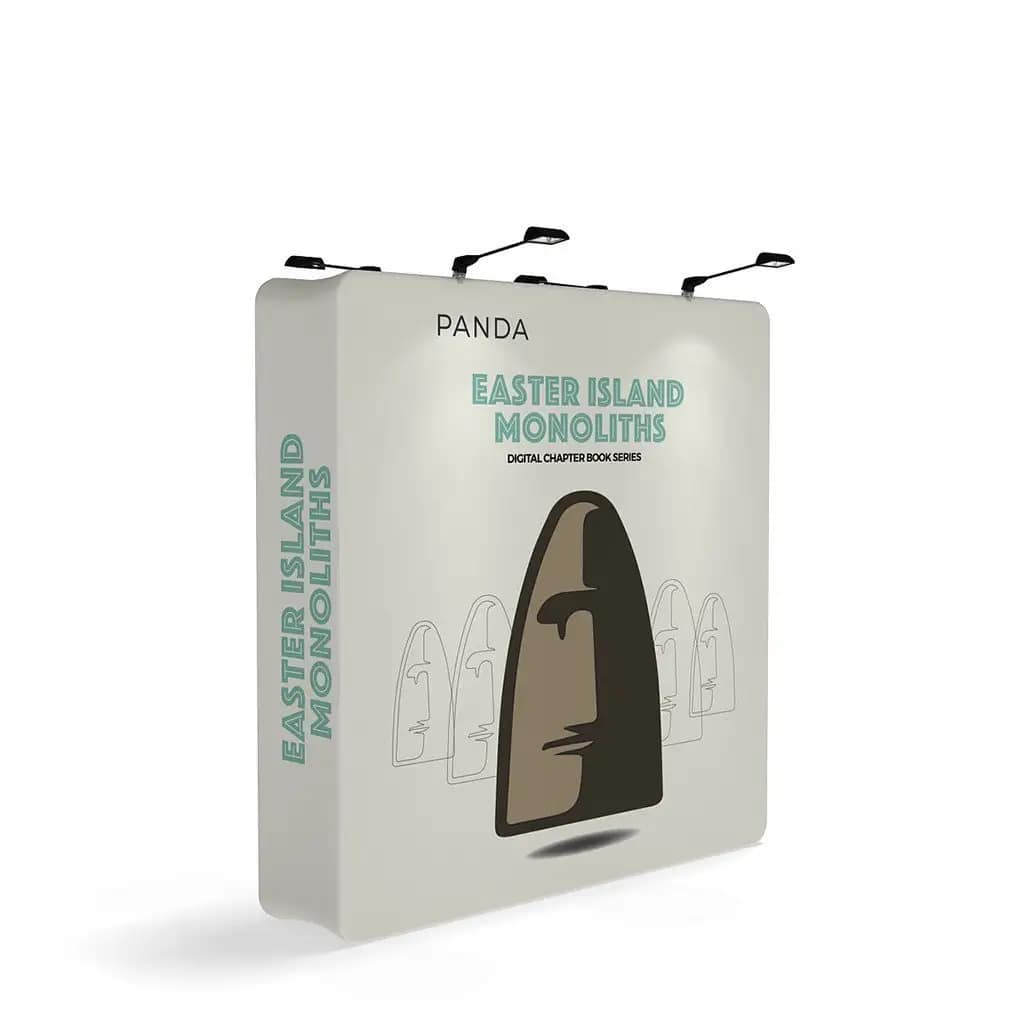
At exhibitions and conferences, WaveLine Monolith Banners double as architecture and media surface, defining stand edges, meeting points and on-camera backdrops. When combined with modular exhibition banner kits and trade show lighting displays, they create scalable environments that can flex from small pop-ups to major shows without starting from scratch. Event marketers reduce build time, minimise contractor dependency and maintain a consistent visual identity across venues.
Strategically, these systems sit alongside custom fabric displays, portable illuminated display stands and SEG fabric lightbox graphics within a broader toolkit of portable, brand-safe assets. The smart move is to define a standardised visual hierarchy and a core set of messages that can be adapted by market, channel or store format. By doing so, organisations avoid ad-hoc, low-impact signage and gain a coherent platform for campaigns, experimentation and data collection.
For UK retailers and organisers, the decision is less about buying new hardware and more about modernising the display strategy. Now is the ideal moment to review legacy roller banners, outdated outdoor advertising solutions and fragmented indoor kits, then pilot a tightly planned set of Waveline Monolith Banners across high-traffic locations. Use metrics such as dwell time, interaction rates and sales uplift to refine creative and inform wider rollout. To explore how this approach could streamline logistics while elevating brand impact, speak with a display specialist and review your current retail and event signage roadmap.