What Materials Make Up WaveLine® Monolith Banners?
Many UK marketers now rely on Waveline Monolith Banners to create high-impact, custom fabric displays at exhibitions and events. Yet few teams pause to examine what actually goes into these systems. The combination of polyester fabric and aluminium seems straightforward, but material choices vary dramatically between suppliers. Those differences can dictate print sharpness, structural stability and whether your stand passes venue safety checks. Understanding the hidden risks in fabrics, frames and finishes is essential before trusting them with your brand.
Understanding the hidden risks in fabric display materials
At first glance, most UK portable display stands look similar, especially when viewed in a catalogue or online mock-up. Behind the scenes, however, the textile used for the graphic skin can determine whether colours stay vibrant under harsh exhibition lighting or drift towards a muted, patchy finish. Lower-grade polyester may be prone to creasing, pilling or visible seams that catch the eye for the wrong reasons. Venues are also tightening rules around fire safety, meaning uncertified fabrics risk being rejected on-site.
Why banner material choice matters on the show floor
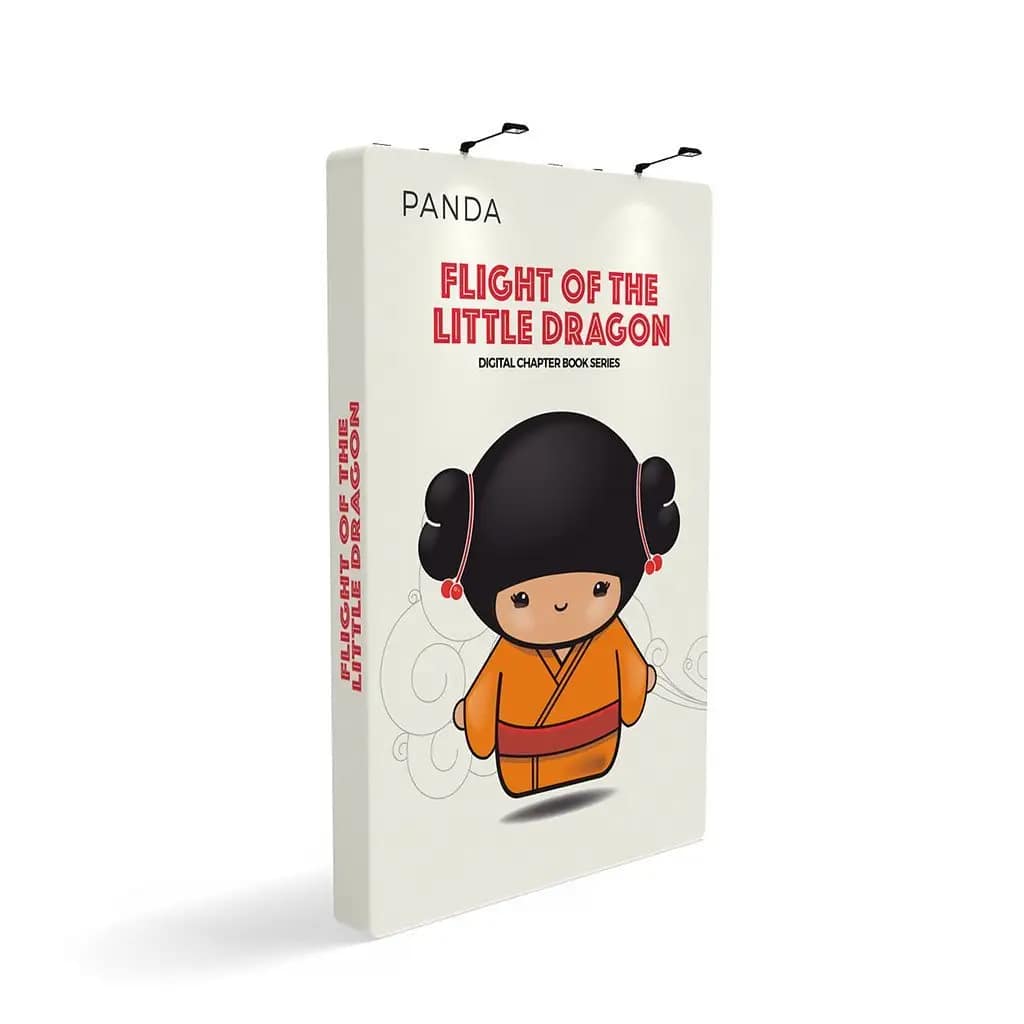
Problems with Waveline Monolith Banners rarely show up in the studio; they emerge during real-world deployment. On busy trade show days, graphics are assembled, dismantled and repacked repeatedly, testing both fabric resilience and frame strength. Inferior aluminium alloys can warp in transit, making it difficult to keep the banner perfectly vertical on uneven floors. Meanwhile, open-weave fabrics may appear translucent under spotlights, diluting impact and exposing support structures, especially when compared with illuminated fabric banner systems nearby.
- Graphics that sag or ripple as the day progresses, particularly on taller portable banner stands.
- Colours that look washed out or grey under LED lighting or in bright atrium venues.
- Fabric that feels thin, shiny or plasticky, with seams or zips straining during assembly.
- Frame tubes that flex noticeably, or connectors that loosen after several event cycles.
- Lack of documented fabric weight, fire-retardant certification or printing specifications.
Misconceptions also fuel risk. Many buyers assume all tensioned polyester is alike, or that any “fire-resistant” claim is enough for UK venues. In practice, reputable reusable exhibition banner solutions use warp-knitted polyester engineered for stretch, opacity and colour depth, supported by documented fire ratings. Procurement teams under pressure to cut costs can overlook these details, inadvertently choosing materials that fail compliance checks or wear out quickly across an event season. The result is higher replacement spend and inconsistent brand presentation.
The stakes rise further when banners sit alongside premium tension fabric lightboxes, SEG backlit display stands or other illuminated formats. Poorly specified fabrics can create uneven glow, banding or visible shadow lines that undermine more advanced portable illuminated trade show displays. Lightweight event signage systems made from softer aluminium may also struggle outdoors or in high-traffic indoor zones, weakening the impact of broader outdoor advertising solutions. Over time, marketers may simply accept these flaws as normal, missing the opportunity to improve.
For marketing teams, the warning signs are clear: materials that crease easily, frames that dent, colours that fade between events and uncertainty over fire ratings. Before committing budgets, it is worth asking suppliers to confirm polyester composition, denier, finishing process, aluminium grade and connection mechanisms. If these details are vague, it may be time to seek expert guidance on custom fabric displays and branded illuminated retail displays. Assess your current systems now, speak with a specialist, and book a consultation to ensure your next investment truly protects your brand across every event.