Where WaveLine® Monolith Displays Are Most Effective
Updated: 09 January 2026
Monolith displays must perform reliably across different venues, and WaveLine® Monolith Displays are designed to deliver consistent results for small exhibitor teams. In this article, you will find product-focused guidance that explains where these displays excel, how to set them up efficiently, and why they make trade show, retail, and reception environments simpler to manage. Moreover, the guidance is practical so your team can repeat success at every event.
General Information
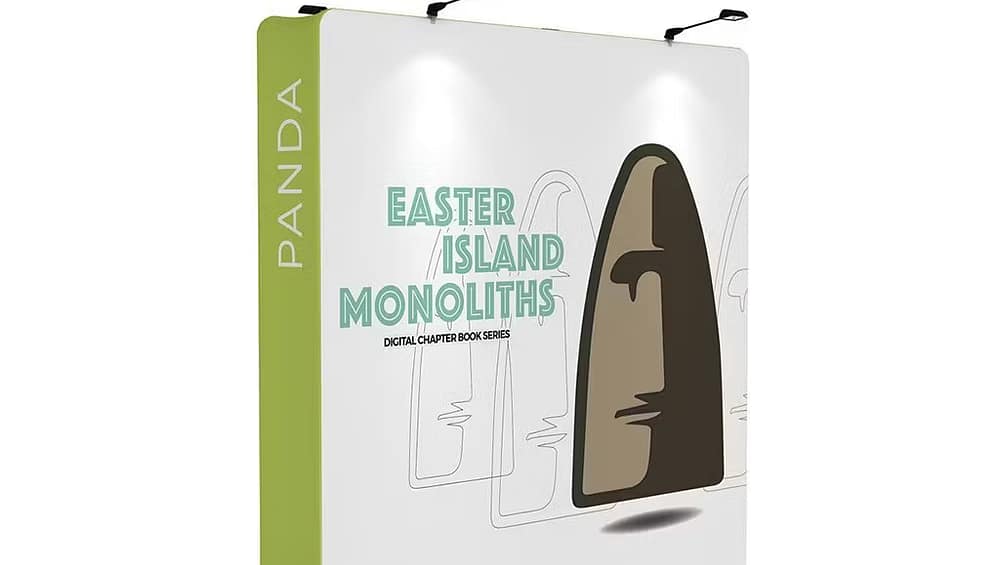
WaveLine® Monolith Displays are freestanding vertical displays built for visibility and ease of use. They combine a sturdy base, a modular frame, and tension fabric graphics so that the finished appearance is clean and wrinkle-free. Consequently, they work well when your priority is a strong vertical presence that is quick to install and easy to transport.
Product Highlights
- High vertical visibility for aisle-facing messaging
- Quick, repeatable setup that supports small teams
- Fabric graphics that replace easily for campaign refreshes
- Modular components for flexible placement and alignment
Specifications
Specifications vary by configuration, however the core system is engineered for modularity. As a result, you can choose taller or more compact builds depending on venue sightlines. Additionally, the design supports single-sheet wrap graphics and multi-panel layouts. For more detailed size and accessory options, compare available configurations in the product range below.
Components
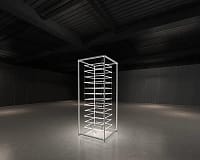
The display consists of a weighted base, vertical support posts, cross connectors, and a removable tension fabric graphic. Furthermore, soft goods are stored separately from hard parts to protect print finishes. For smoother logistics, label each case and include a simple inventory checklist so any staff member can locate parts and complete setup quickly.
Design Features and Material Quality
The frame uses durable metal for strength, while the graphic is printed on stretch fabric for a seamless look. Therefore, the finished display reads as a single premium surface at a distance, yet it disassembles into manageable pieces for transport. Moreover, the fabric resists creasing when handled correctly, and the frame hardware is designed for repeated use without loss of alignment.
Portability and Storage
WaveLine® Monolith Displays are optimized for easy transport. Thus, components fit into labeled cases and the fabric rolls for compact storage. When packing, keep graphics separate from hard parts, and then secure connectors in foam or divider trays. This routine protects the finish and reduces time spent re-sorting parts at the venue.
Setup Process
- Lay out components in the intended build order to avoid re-handling.
- Assemble the base first and confirm it sits level.
- Build upward in stages and check vertical alignment at each step.
- Allow one minute for final alignment before tensioning the graphic.
- Do a final wipe-down and confirm main copy is readable from the aisle.
Use Cases
These displays excel at trade shows where aisle visibility matters, and they perform equally well in retail activations that require quick repositioning. In reception or lobby spaces they create a professional focal point and can be placed near kiosks or seating areas to reinforce branding. For teams that rotate venues frequently, the predictability of setup yields consistent attendee impressions every time.
Final Notes for Exhibitors
Ultimately, a display that looks premium initially and stays premium after repeated use offers the best return on investment. Therefore, build routines around packing, alignment, and storage to protect your finish and to save time at every event. To compare sizes, configurations, and accessories, browse the WaveLine® Monolith Displays range.