What WaveLine® Monolith Displays Are Made Of: Frame and Graphic Components
Updated: 09 January 2026
Introduction
WaveLine® Monolith Displays combine lightweight engineering with professional presentation so your booth reads clearly from the aisle. In this product overview, you will learn about the frame, the fabric graphic, and the small details that make setup faster and more consistent. For exhibitors who need predictable results across multi-day shows, this display is built to deliver repeatable performance and clean visuals.
General Information
WaveLine Monolith Displays are designed for quick builds and reliable finishes. Consequently, event teams can focus on messaging rather than last-minute fixes. The system balances strength and portability, and therefore suits trade shows, pop-ups, and corporate events where both appearance and transportability matter.
Product Highlights
- Aluminum frame engineered for positive alignment and low weight
- Tension-fit fabric graphics for wrinkle-free surfaces
- Tool-free assembly that reduces setup time and onsite frustration
- Interchangeable panels so branding updates are fast and cost effective
Components
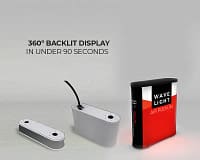
The main components include a precision-extruded frame, snap-fit connectors, a stable base, and a printed tension fabric. Additionally, pre-labeled parts and a dedicated carry case keep components organised during transport. As a result, any staff member can assemble the display with minimal instruction, which improves reliability at busy events.
Design Features
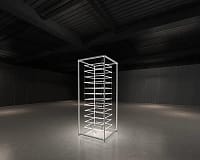
Frame geometry prioritises visual flatness and consistent edge tension. Therefore the printed fabric lays smooth and remains photogenic under exhibition lighting. Furthermore, connectors are designed to align quickly so you can complete the build in stages while checking alignment before final tensioning.
Material Quality and Print Behaviour
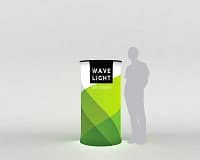
The fabric graphic is produced from durable, dye-sublimated polyester that resists fading and handles high-resolution prints well. Consequently, colours stay vibrant for photography and social sharing. Moreover, the fabric tolerates repeated handling and, with proper care, can remain showroom-ready across many events.
Specifications
Specifications focus on stability and ease of use. For example, frame profiles are lightweight yet rigid, and base plates provide a low centre of gravity to reduce wobble. Additionally, the tension system is engineered to accept one-piece graphics that conceal the frame edges for a seamless look.
To compare sizes, configurations, and accessories, browse the WaveLine® Monolith Displays range.
Portability and Setup Process
Portability is built into the design so you can carry components in a compact case and move through venue doors efficiently. First, assemble the base and confirm it sits level. Next, build upward in stages while checking vertical alignment. Finally, apply the tensioned graphic and allow a minute for final alignment, which helps prevent creases and ensures readable text from the aisle.
Use Cases
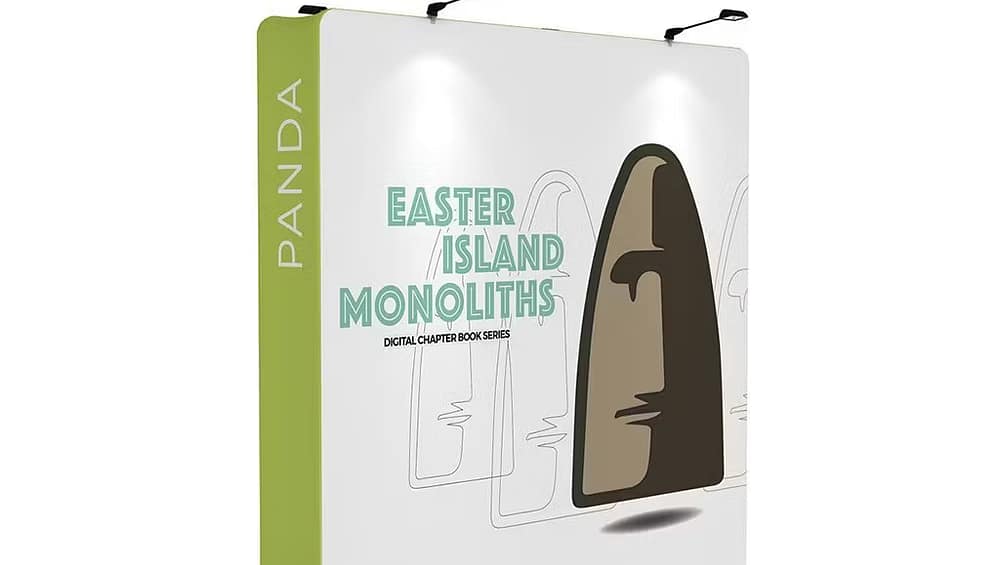
WaveLine Monolith Displays work well as primary brand backdrops, aisle-facing promotional walls, or directional signage. For instance, trade show teams can use multiple monoliths to create a curved presentation wall, and retail pop-ups can deploy a single panel as a branded focal point. Additionally, modularity lets you swap graphics between campaigns and events with minimal downtime.
Maintenance and When to Replace Graphics
Routine care keeps the display looking sharp. Therefore, wipe the graphic gently before each event and store fabric separately from hard components to avoid abrasion. Replace printed graphics when colour shift or repeated surface wear reduces legibility, and otherwise reuse the frame for new campaigns to reduce long-term costs.
Conclusion
In summary, WaveLine Monolith Displays are engineered for predictable performance, fast assembly, and repeatable visual impact. Because the frame and graphic system work together, you gain consistent results under exhibition lighting and simpler logistics between events. Consequently, your team can present a professional brand image with less setup time and fewer surprises on site.