Unique Hanging Banner Designs That Offer Flexible Presentation Styles
Introduction
Exhibitors need banner solutions that capture attention while remaining practical. This article explains how unique hanging banner designs deliver flexible presentation styles, and how you can use them to increase foot traffic, strengthen brand recall, and guide visitors through busy show floors. By the end, you will understand why hanging banners are a core category for any event toolkit, and how to choose variations that match your goals.
General information about hanging banner products
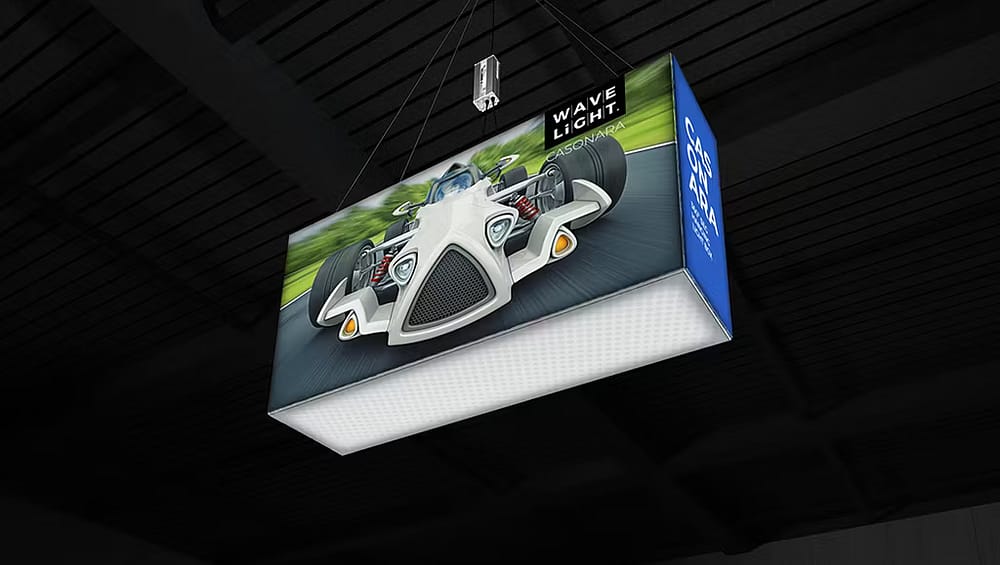
Hanging banners include a variety of shapes, sizes, and suspension systems that work across halls, atriums, and open-plan venues. For example, circular, teardrop, and rectangular profiles each influence sightlines differently, and therefore affect how far away your messaging registers. In addition, compatible hanging hardware and custom print options make these products easy to tailor. To explore a curated selection that covers shapes and finishes, review our complete range of Hanging banners for solutions that match your booth layout.
Design features and material quality
Design choices determine durability and visual impact. First, premium fabrics provide fade-resistant color and smooth print reproduction, while vinyl options deliver higher durability for repeated use. Second, hemmed edges and reinforced grommets increase lifespan and simplify rigging. Furthermore, lightweight frames and tensioned fabric systems reduce sagging, so graphics remain crisp at a distance. Consequently, selecting materials based on venue conditions helps you protect your investment.
Use cases and practical applications
Hanging banners perform well in many contexts. For trade shows, they lift brand marks above crowded aisles to attract distant attendees, which increases booth discovery. For retail pop-ups and seasonal activations, they create instant overhead signage that defines space without floor footprint. Additionally, in conference halls and lobbies, suspended banners guide attendees between sessions. Therefore, choosing the right shape and height depends on visibility goals and venue constraints.
Creative combinations and category advantages
Combining multiple hanging banners amplifies storytelling. For instance, layering a large central banner with smaller directional banners improves navigation and reinforces key messages. Likewise, coordinating colors and shapes across suspended signs and backdrop panels creates a cohesive visual system, and therefore elevates perceived professionalism. Moreover, hanging banners are especially effective where floor space is limited because they advertise without cluttering the exhibit area.
Portability, setup, and specifications
Setup considerations matter for regular exhibitors. Most hanging banner systems are designed for tool-free assembly and compact transport. For example, collapsible poles, lightweight printed fabrics, and modular fittings reduce booth build time. In addition, common specifications to review include maximum diameter or width, hanging point requirements, and recommended rigging hardware. Finally, choosing compatible transport cases protects printed surfaces during transit and speeds re-deployment between events.
Conclusion
In summary, hanging banners are a versatile category that increases visibility, saves floor space, and supports modular exhibition strategies. By focusing on material quality, appropriate shapes, and easy-to-install systems, you can create displays that perform consistently across venues. Therefore, evaluate your venue needs and traffic patterns, and then select hanging banner types that deliver both visual impact and practical value. When planned correctly, these products become a high-return element of your events program.