From Triangles to Waves: Understanding All Configuration Options
Introduction
Choosing the right hanging banner configuration can transform your exhibition presence, and consequently increase footfall and brand recall. This guide focuses on the hanging banner category and explains how different shapes, sizes, and materials deliver distinct visual effects and practical benefits. As a result, you will be better equipped to select the right options for your event goals.
General Information about Hanging Banners
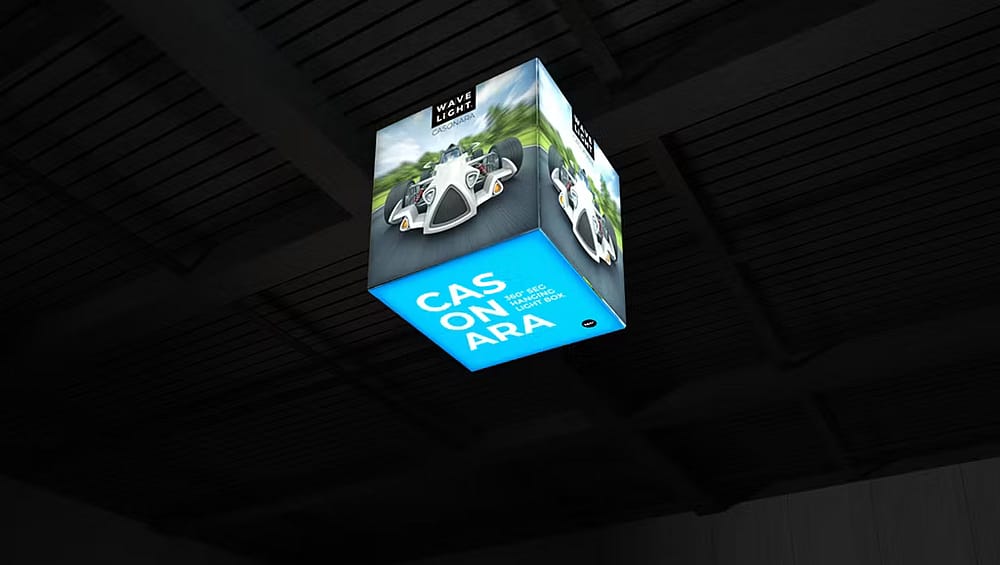
Hanging banners are suspended displays that free up floor space while drawing attention from across the hall. They come in a variety of shapes including triangles, waves, circles, and traditional rectangles. Furthermore, they support single- and double-sided printing to match venue sightlines. To explore more design options and compare configurations, visit our full collection of Hanging banners designed for modern exhibition environments. In addition, manufacturers offer custom sizes and hardware options to suit ceiling heights, rigging points, and venue weight limits.
Configuration Options: Triangles, Waves, and More
Triangle banners create multi-faceted visibility because they present faces to several aisles simultaneously. Conversely, wave-shaped banners deliver dynamic movement and a softer brand aesthetic that attracts attention without overwhelming surrounding exhibits. Rectangular and oval shapes remain reliable choices for bold messaging and high-impact logos. Moreover, modular options allow sections to be combined into larger hanging installations when you need a focal point above a busy stand.
Design Features
Design choices affect readability at a distance and ease of installation. For instance, higher-contrast color palettes and large typography improve legibility across crowded show floors. In addition, printed bleed and edge finishes influence final appearance, while reinforced hems and corner tabs increase durability. Pay attention to face orientation so graphics align with visitor sightlines, and consider double-sided printing when aisles surround your stand.
Material Quality and Components
Materials range from lightweight stretch fabric to durable PVC vinyl. Fabric delivers a wrinkle-resistant, premium finish and is ideal for portable setups because it packs compactly. Vinyl provides higher tear resistance and is suitable for long-term or outdoor hanging. Furthermore, quality components such as steel cables, rated carabiners, and quick-release clamps reduce setup time and increase safety. Always check fire-retardant certifications when exhibiting in regulated venues.
Portability and Setup Process
Portability matters when you travel to multiple shows. Lightweight fabric banners with collapsible frames simplify transport, and therefore reduce shipping costs. For larger configurations, modular frames and labeled components speed assembly and teardown. Additionally, pre-attached rigging points and snap-on hardware cut installation time on site, so staff can focus on the stand rather than the hoist. When planning, coordinate with venue rigging guidelines to ensure safe suspension and optimal sightlines.
Use Cases and Creative Combinations
Hanging banners work well for directional signage, brand landmarks, and tiered visual hierarchies above islands. For example, use triangular banners at corner positions to capture traffic from multiple directions. Alternatively, suspend waves over seating or demo areas to create a softer atmosphere that encourages dwell time. Combining multiple shapes and sizes builds depth and helps differentiate product zones, while synchronized graphics maintain a cohesive brand story across the entire booth.
Conclusion: Key Benefits for Exhibitors
In summary, hanging banners deliver high visibility, cost-effective branding, and flexible design choices that match many exhibition objectives. By selecting the correct shape, material, and hardware you improve sightlines, simplify logistics, and strengthen brand impact. Finally, plan configurations around venue constraints and visitor flow to maximize return on investment and create memorable experiences for attendees.