Matching Hanging Banner Styles to the Right Exhibition and Retail Environments
Introduction
When you select hanging banners for exhibitions and retail environments, you are choosing how your brand will be seen from across a room. Carefully matching banner styles to venue size, sightlines, and audience expectations boosts visibility and drives engagement. Moreover, practical factors like transport and installation influence long-term cost and convenience, so it helps to plan with the full production lifecycle in mind.
General Information about Hanging Banners
Hanging banners range from lightweight fabric drops to reinforced PVC sails, and each option performs differently depending on ceiling height, truss systems, and footfall. For a clear starting point, review our curated range of display formats and sizes, and then select the material that suits your event frequency and branding goals. For easy browsing and direct purchasing, consider our catalogue of durable and visually impactful Hanging banners.
Specifications and Design Variations
Specifications matter because they determine how a banner looks and how long it lasts. For instance, fabric banners deliver vibrant color and wrinkle resistance, while PVC is cost-effective and suitable for outdoor or high-traffic indoor spaces. Additionally, shapes such as circular, rectangular, and multi-panel configurations change how light and sightlines interact with your artwork. Therefore, specify DPI for large-format prints, select color profiles that match your brand, and confirm hanging points or eyelets with the venue before production.
Use Cases for Exhibitions
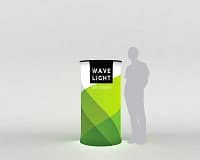
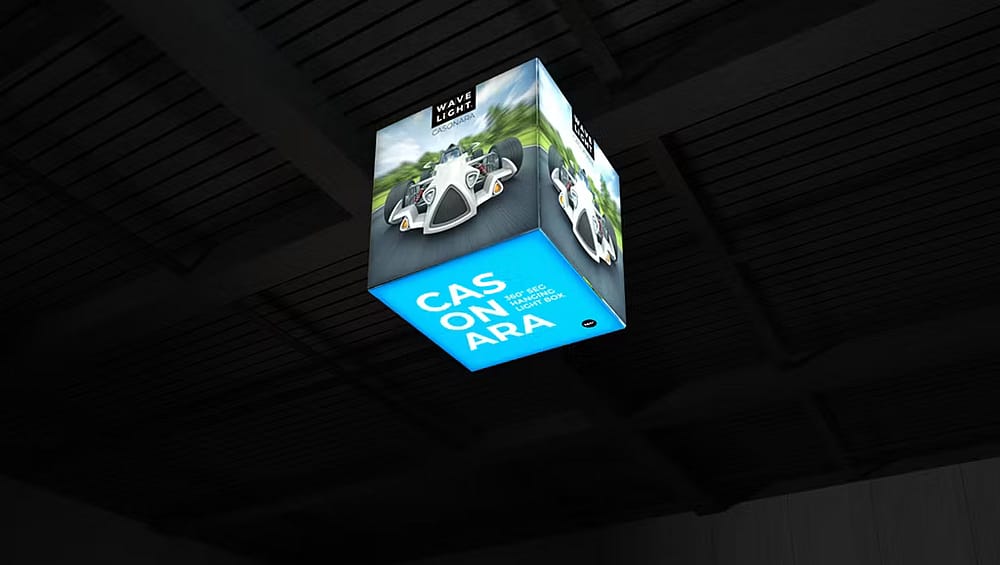
At trade shows, hanging banners provide overhead visibility that helps attendees find your stand quickly. For example, tall aisle banners work well for conference halls where attendees scan the ceiling for brand markers. Likewise, double-sided circular banners increase exposure from multiple angles, while modular hanging systems allow you to reuse graphics across different booth sizes. Consequently, exhibitors gain stronger brand recall and a greater chance of attracting targeted leads.
Use Cases for Retail Environments
In retail, hanging banners inform customers and elevate product zones. For instance, aisle identification banners improve navigation and reduce shopper frustration, and seasonal promotional banners drive impulse purchases when positioned above high-margin displays. Furthermore, lightweight fabric options are ideal for stores because they are easy to swap out for new campaigns, and printed finishes can be chosen to match the store’s aesthetic for cohesive merchandising.
Material Quality, Portability, and Setup
Material quality influences both appearance and handling. High-tension fabrics resist creasing and pack into compact carry bags, which simplifies logistics. Meanwhile, reinforced hems and professional finishing extend service life and reduce replacement costs. In terms of setup, choose banner systems that align with your team’s skill level: pop-up hanging rigs minimize tool requirements, while rigging kits designed for truss systems provide precise alignment for larger installations. Thus, planning for transport cases, on-site tools, and crew time avoids last-minute surprises.
Creative Uses, Multi-Product Displays, and Conclusion
Get creative by combining hanging banners with floor graphics, counter displays, and illuminated stands to create layered brand zones that guide visitor flow. For multi-product displays, use a mix of heights and shapes so each message has its own sightline. Finally, the right hanging banner strategy delivers reliable visibility, flexible reuse, and efficient installation, which together increase return on investment. In short, choose a banner type that matches your venue, budget, and campaign cadence, and you will maximize both impact and longevity.