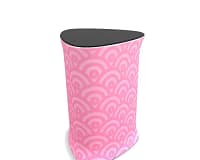
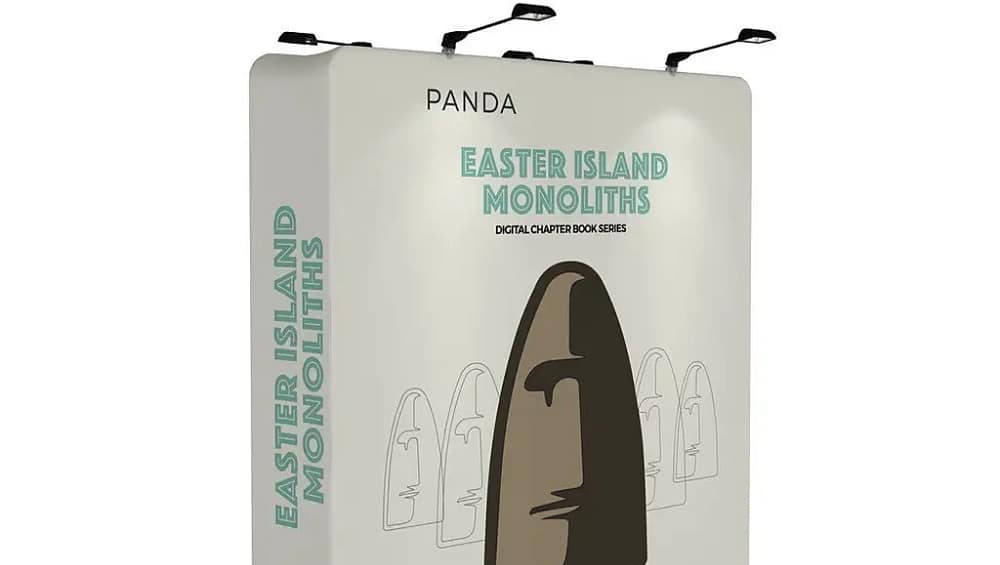
A Beginner’s Guide to WaveLine® Monolith Banners for Exhibitors often begins with the assumption that these systems are straightforward, turnkey branding tools. In reality, many UK exhibitors discover too late that small misjudgements in size, layout and positioning quietly erode their impact. When exhibition budgets are under pressure and every enquiry matters, treating these structures as generic portable banner stands can leave a stand looking busy yet strangely ineffective.
Understanding the Hidden Risks of Waveline Monolith Banners
For first-time and occasional exhibitors, Waveline Monolith Banners appear to tick every box: slim footprint, tall profile and smart custom fabric displays. However, the same qualities that make them versatile can also make them vulnerable to poor planning. If key messages sit too low, fonts are too fine, or colours are not proofed for fabric, vital information disappears at the very moment visitors glance across your UK trade show display systems.
Why Poorly Planned Waveline Monolith Banners Matter
At major UK events such as BETT, ICE London or regional business expos, visitors are moving quickly, scanning stands in seconds. Research suggests you have roughly three to five seconds to capture attention, which is far less forgiving than outdoor advertising solutions or longer dwell-time media. A banner that blends into the background, competes with neighbouring graphics or lacks clear hierarchy can reduce stand traffic, weaken brand recall and make premium trade show banners feel like a poor investment.
Common Warning Signs Exhibitors Often Miss
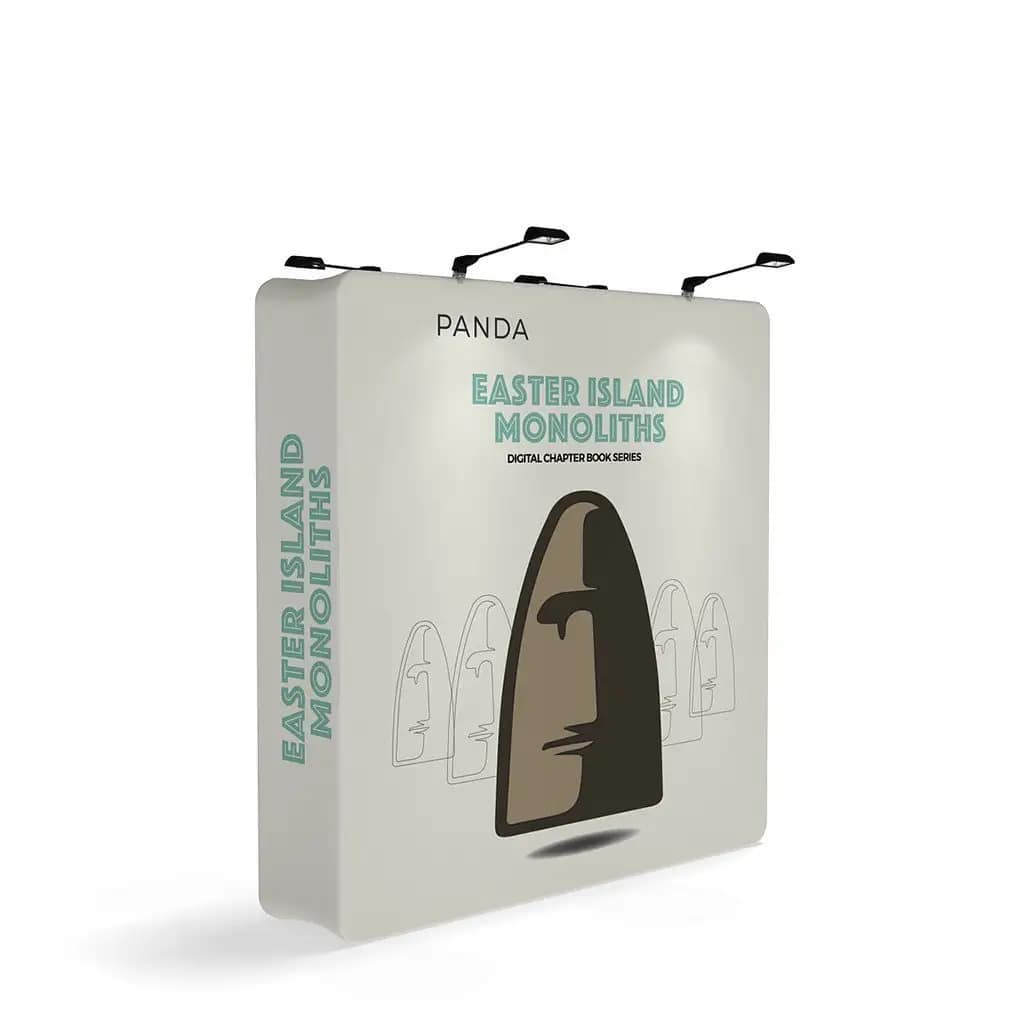
One of the earliest red flags is when stand staff field repeat questions clearly answered on the graphics. This usually indicates that headlines are too low, too small or overwhelmed by imagery. Another warning sign is a stand that photographs well but feels quiet in person, because banners act as static backdrops instead of directional markers guiding people from the aisles. In some cases, important offers end up hidden behind counters or lightweight event display frames.
- Prospects glance at your stand and veer towards neighbours without slowing their pace.
- Brand colours appear muted or off-tone under hall lighting, especially on backlit tension fabric graphics.
- Key product names or prices sit below waist height and are blocked by furniture or people.
- You rely on illuminated fabric banner systems elsewhere, but the monolith remains comparatively dull and flat.
- Last-minute reprints occur because dimensions, double-sided options or fixing methods were misunderstood.
Behind these problems is a common misconception: that Waveline Monolith Banners are interchangeable commodities rather than strategic communication tools. Artwork is often repurposed directly from websites or brochures, which rarely scales cleanly to tall fabric towers or reusable exhibition lightbox displays. Sightlines from main aisles, orientation to venue entrances and integration with portable illuminated display stands are frequently overlooked, undermining what could be highly effective SEG fabric banner solutions.
When these banners underperform, exhibitors can spend entire shows compensating through hard sell conversations instead of letting graphics do the initial work. Over multiple events, that inefficiency compounds travel and space costs, while rivals with better-optimised UK trade show display systems draw more qualified traffic. If your stand looks polished on screen but fails to deliver leads on site, it may be time to review how you brief, design and position your hardware. Assess your current set-up from a visitor’s eye-line and speak with an expert before your next show, so your display strategy works harder at every event.