Step-by-Step Guide to Setting Up Waveline Media Banners
Many UK exhibitors still underestimate how easy it is to get Waveline Media Banners wrong on site. In busy halls, teams race against build deadlines, often skipping basic checks that keep displays safe and professional. A single leaning frame or creased graphic can quietly damage brand credibility before staff speak to their first visitor. Understanding the hidden risks in banner set-up is the first step towards preventing wasted budget and lost leads. This guide focuses on recognising those problems early, not just fixing them on the day.
Why Incorrect Set-Up Matters for Waveline Media Banners
When tensioned fabric is not aligned correctly, even high-quality promotional graphics can look cheap and distorted. Visitors at trade shows form judgements in seconds, so a sagging edge or twisted frame can reduce engagement long before your team begins a pitch. Over several events, repeated poor assembly stretches fabric, strains zips and loosens connectors, shortening the life of portable fabric graphics. For marketers under pressure to prove return on investment, this quiet erosion of display quality often goes unnoticed until failure is obvious. By then, emergency reprints and courier fees are already hitting the budget.
Common Set-Up Mistakes Exhibitors Overlook
Problems typically begin before the kit reaches the venue. Components are misplaced between shows, instructions are lost, and teams assume they can improvise set-up. On site, poles are connected out of sequence, bases are not fully tightened, and graphics are pulled over frames in a rush. This is when fabric exhibition backdrops end up installed upside down or with seams off-centre. Lightweight banner stands may appear stable at first glance, but a slight wobble under footfall can expose a rushed build. These are preventable errors that stem from process, not from the hardware itself.
Warning Signs Your Display Is Not Assembled Correctly
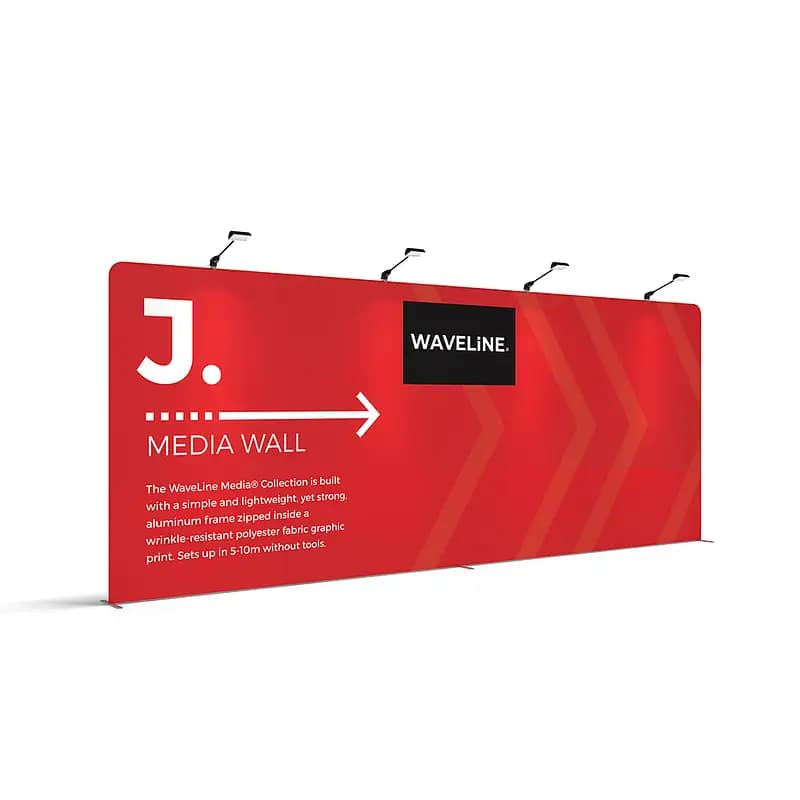
Small visual cues often signal bigger structural issues. If a frame rocks when nudged or the base does not sit flat, trip hazards and stress on connectors follow. Horizontal ripples, dark shadows from internal bars, or puckering around curves indicate incorrect tension on tension fabric banner displays. Reusable event signage that never quite sits straight may have been stored badly or packed without protection. Travel-friendly display systems are designed for repetition, but only if they are folded, loaded and rebuilt consistently from event to event.
- You regularly see creases that do not drop out after set-up time.
- Staff spend more than 30 minutes troubleshooting one banner frame.
- Graphics appear slightly skewed or textlines never run truly level.
- Connectors feel loose, cracked or difficult to align from show to show.
- Your portable trade show banners vary noticeably in tension and finish.
Behind these warning signs sit recurring causes: incomplete kit checks, weak internal training and over-reliance on ad-hoc fixes. Custom fabric displays and modular display solutions are often shared between departments, so responsibility for condition and packing becomes blurred. Marketing teams may assume logistics staff understand the nuances of tensioning and alignment. In reality, instructions are skimmed, and shortcuts quickly become the norm. Without a simple, documented process, even high-spec branded exhibition backwalls can end up performing far below their potential.
For organisations investing in Waveline Media Banners and similar systems, ignoring set-up problems can quietly inflate costs. Damaged zips, torn sleeves and bent poles demand last-minute replacements, while inconsistent presentation erodes trust with returning visitors. Lightweight hardware and travel-friendly display systems also mask cumulative wear, so issues surface only when something fails on site. When your team notices patterns of damage, confusion over components or uneven finishes across different stands, it is a signal to pause and reassess. Consider whether expert guidance on tensioned fabric, packing routines and storage conditions could stabilise results.
UK exhibitors do not necessarily need to replace their hardware; they need a more disciplined approach. A short internal workshop on assembling portable fabric graphics, plus clear visual checklists, can dramatically cut set-up stress. Reviewing how you fold, bag and label components between shows protects the lifespan of your lightweight banner stands. If your displays still look unpredictable from one event to the next, it may be time to speak with a specialist in reusable event signage and ask them to audit your process. Taking that step before the next show can prevent repeat spend and protect hard-won brand equity.