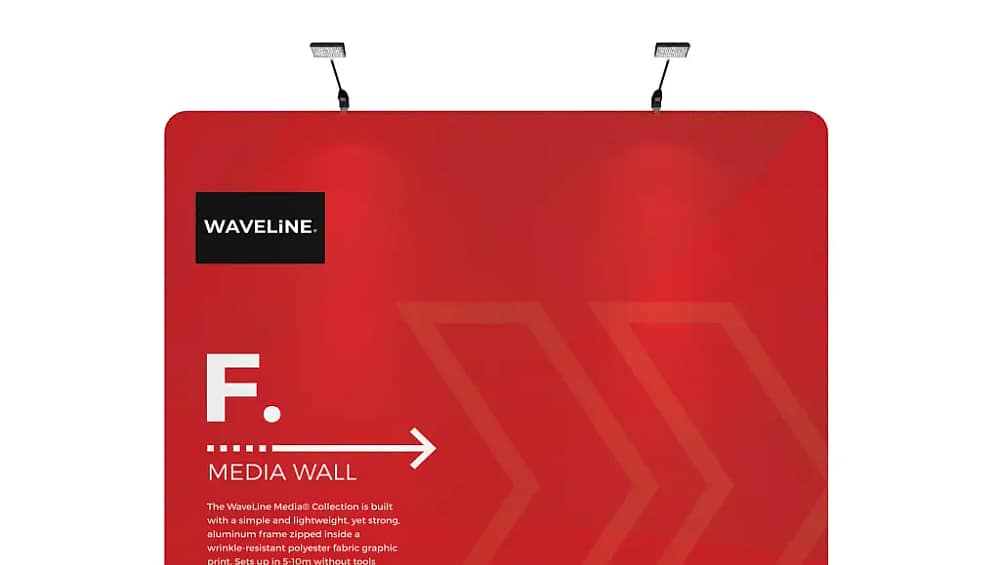
Comparing Waveline Media Banners to Pop-Up Displays is no longer a minor technical choice for UK exhibitors. As competition intensifies across UK trade show displays, the wrong backdrop can quietly erode stand performance. Within seconds, visitors judge whether a stand looks current, credible, and worth their time. When hardware is awkward, dated, or visibly worn, even a strong campaign message can be overshadowed by clumsy presentation.
Understanding the display dilemma
Many marketing teams still treat backdrops as interchangeable portable trade show banners, assuming any system will “do the job”. In practice, the difference between smooth fabric trade show backdrops and segmented pop-up panels becomes obvious under harsh exhibition lighting. Creases, glare and misaligned joins distract from copy and imagery, particularly when brands rely on high-quality promotional graphics to communicate detail or atmosphere at a glance.
Why Waveline Media Banners are changing expectations
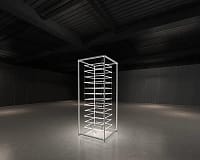
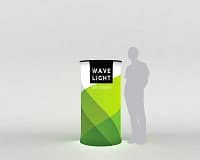
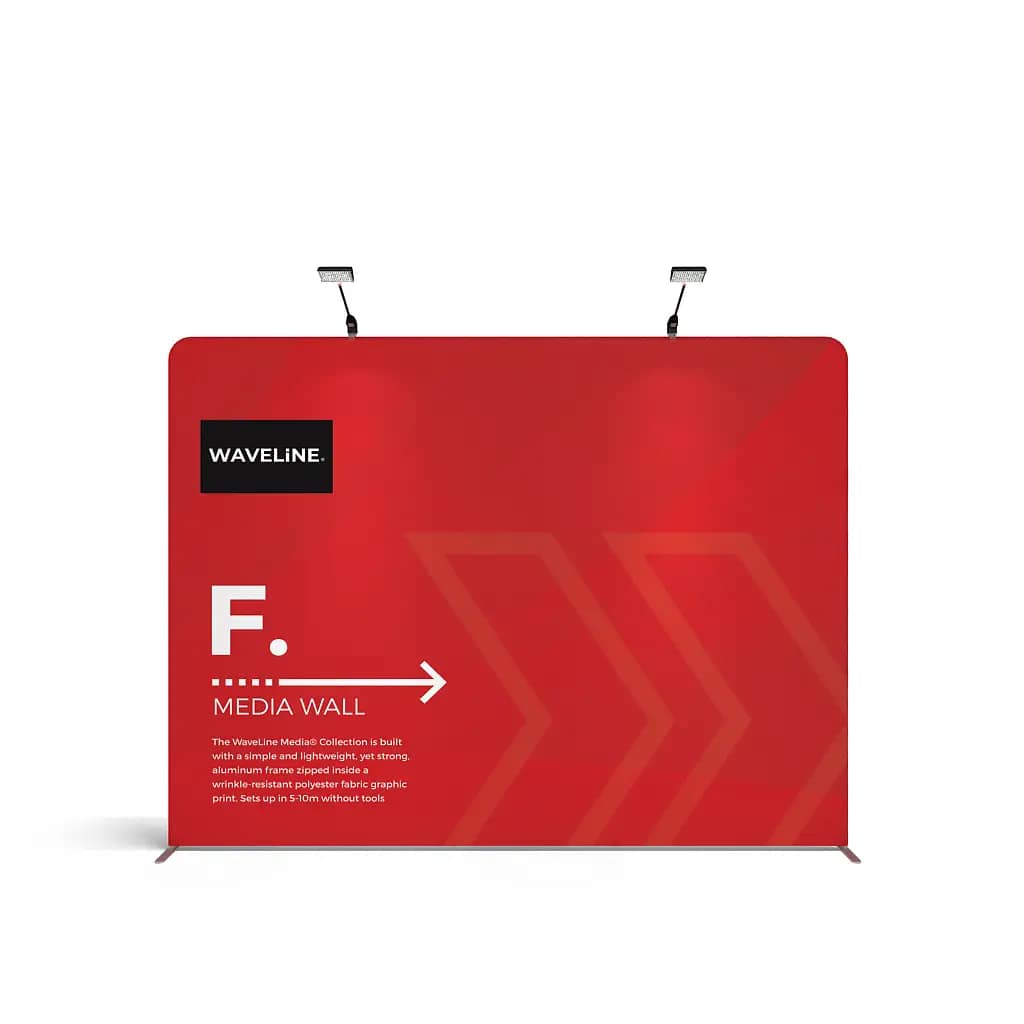
Tension fabric stand systems using lightweight aluminium frames and printed sleeves create lightweight exhibition graphics with fewer visible joins. This construction allows continuous imagery and clean lines that read clearly from across the hall. When photography, gradients or bold colour blocks need to appear seamless, Waveline Media Banners can prevent the patchwork effect common with older panel systems that distort perspective and tone.
Limitations of traditional pop-up displays
Conventional pop-up systems often suffer from scuffed panels, bowed frames, and small gaps along joins after only a few event cycles. Teams report losing time to careful panel alignment, then compromising on design to hide damage with furniture or literature racks. On compact floorplans, bulky frames and deep footprints restrict movement, limiting options for modular display backwalls, product demos and one-to-one conversations in busy aisles.
- Staff arriving excessively early to wrestle with setup or repair minor damage.
- Teams avoiding certain angles because joins, bends or glare show on camera.
- Frequent reprints as panels crack, chip or delaminate in transit.
- Reluctance to reuse graphics for different shows, undermining reusable event branding.
- Complaints from sales teams that the stand “looks dated” beside newer portable fabric banner stands.
These symptoms highlight a deeper issue: hardware holding campaigns back. When graphics cannot be refreshed cost-effectively or adapted into custom fabric displays, organisers are more likely to compromise on messaging or scale down attendance. Over time, this reduces the return on investment from both stand space and branded exhibition booth graphics, even when lead targets appear superficially healthy.
For organisations exhibiting regularly across the UK and Europe, reviewing display systems every few seasons helps avoid these hidden costs. Discussing traffic flow, transport limits and long-term plans with an expert can clarify whether tension fabric stand systems, modular updates, or a reconfigured pop-up are most suitable. Before the next events cycle, consider an honest audit of your backdrop: if it no longer reflects your brand’s ambition, now is the moment to seek guidance and explore better options.
Call to action: Before your next exhibition, take ten minutes to assess your current display. If you recognise any of the warning signs above, speak with an exhibition display specialist to review your options, benchmark costs, and ensure your stand hardware supports – rather than sabotages – your marketing objectives.