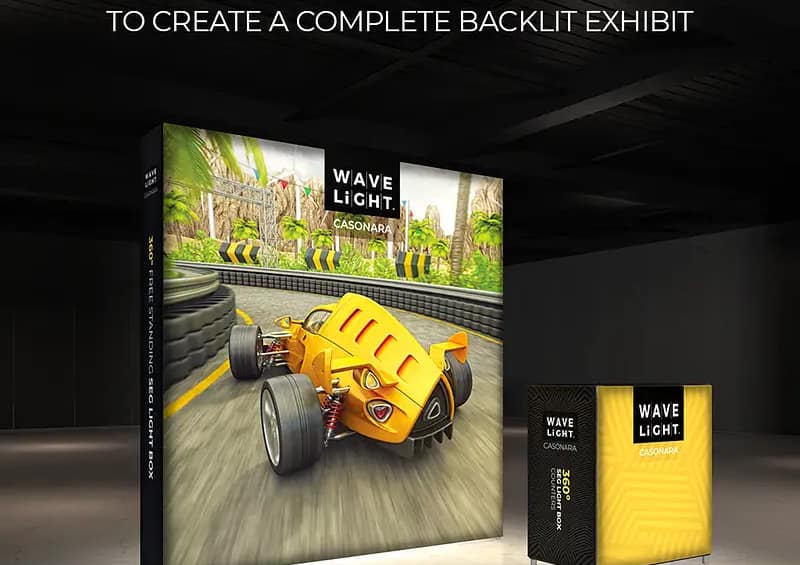
In the UK’s highly competitive events landscape, organisers are rethinking how they command attention in crowded halls. WaveLight® Casonara Lightboxes vs. Traditional Displays is no longer a purely aesthetic debate; it has become a strategic decision about visibility, flexibility, and long-term value. As exhibition environments shift towards immersive, sustainable experiences, marketers must evaluate whether legacy roller banners and pop-ups can still carry the weight of modern brand expectations.
In an era where attention is the scarcest resource on the show floor, illumination is no longer a “nice to have”; it is the baseline for credible brand presence.
WaveLight® Casonara Lightboxes vs. Traditional Displays: Visibility and Impact
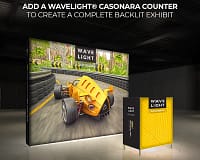
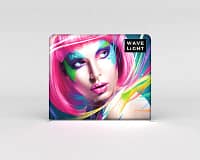
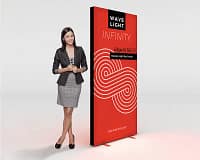
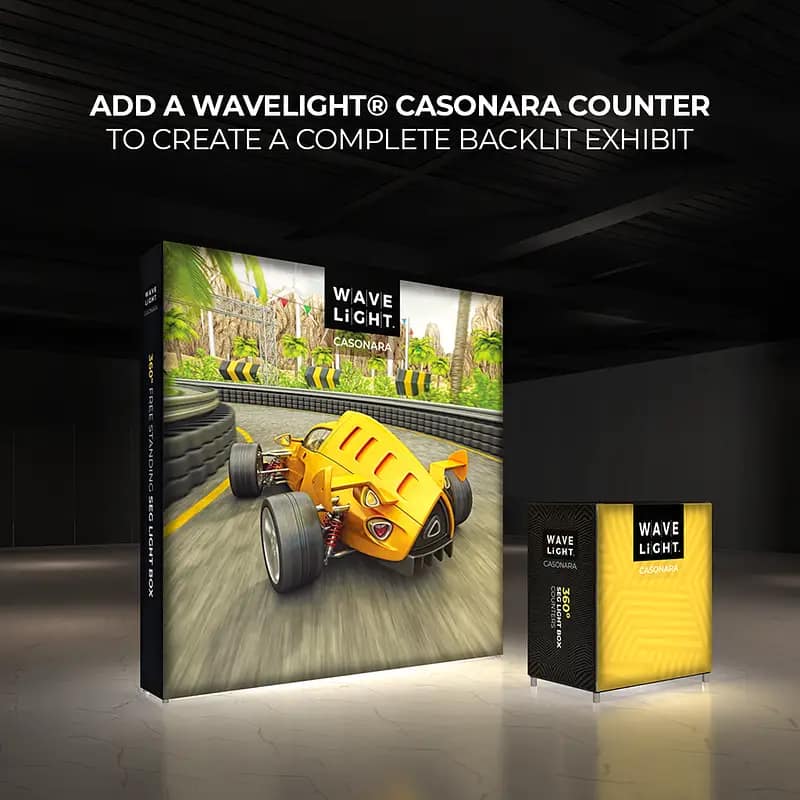
The most immediate divergence between these formats is visual performance under inconsistent venue lighting. Backlit systems create illuminated display solutions that cut through ambient glare, while traditional graphics often appear dull once the hall fills. The WaveLight® Casonara Lightbox delivers evenly lit fabric surfaces that function as beacons, particularly valuable in larger UK venues where visitor flow is intense and attention windows are brief.
Operational Efficiency and Design Flexibility
Beyond impact, operational efficiency is now a board-level concern for exhibition programmes. Marketing teams want tool-free aluminium lightbox frames that can be installed quickly by lean crews, not structures that demand specialist contractors and long build schedules. Modern modular SEG lightbox solutions support agile stand reconfiguration from one show to the next, allowing brands to experiment with different layouts without committing to full redesigns or heavy capital expenditure.
Strategic ROI, Sustainability and Future-Proofing
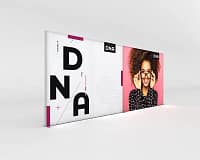
Although illuminated systems typically require higher upfront investment, the ROI equation is shifting. Reusable LED display hardware reduces waste and supports ESG reporting, particularly when graphics are updated seasonally rather than entire structures being discarded. Brands are also exploiting custom lightbox designs to create differentiated storytelling zones, integrating portable SEG fabric light walls, counters and arches into cohesive journeys rather than isolated branding panels.
For UK organisers, the broader trend is clear: uk exhibition lightbox systems are fast becoming the default, while non-lit displays gravitate to secondary roles such as wayfinding or mandatory information. Portable advertising lightboxes and premium illuminated trade show displays now signal seriousness of intent, especially for organisations courting international buyers. When combined with energy-efficient exhibition lighting, these platforms offer both impact and measurable reductions in power consumption across multi-day events.