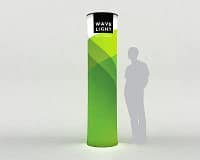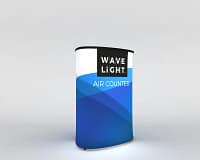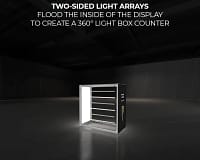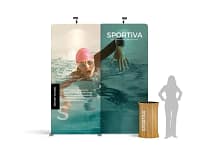
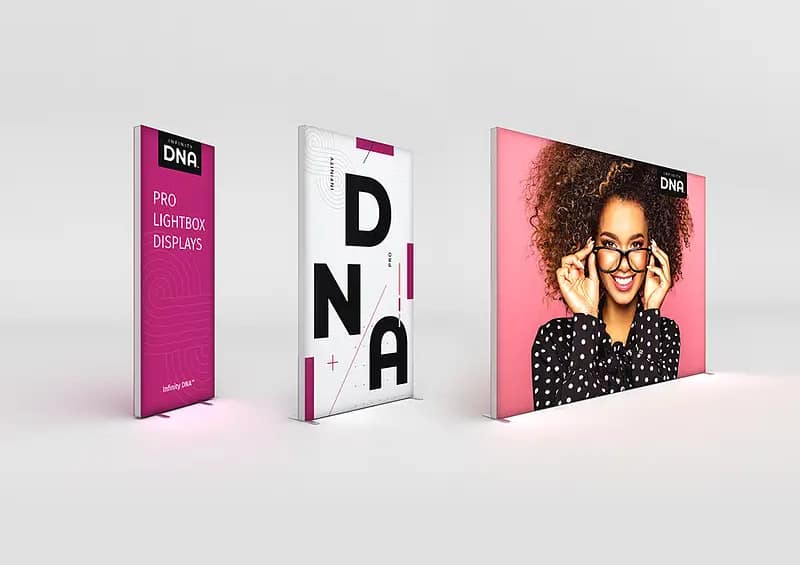
Infinity DNA™ Pro Lightboxes are reshaping how retailers think about visual communication, particularly where every square metre must work harder. In UK high streets, transport hubs, and shopping centres, the pressure to maximise impact within compact footprints has made lightbox specification a strategic decision, not a purely decorative one. The question is no longer whether to use a LED lightbox display, but how to orchestrate sizes and configurations to support brand, navigation, and commercial goals across diverse estates.
Thoughtful lightbox sizing is no longer a visual afterthought; it is a key lever in shaping customer journeys, perceived value, and operational agility.
Exploring the Sizes and Configurations of Infinity DNA™ Pro Lightboxes
Forward-thinking retailers are moving away from one-off feature walls towards modular LED display systems that can be tuned to each location. Standard A-series footprints, elongated fascia bands, and full-height portrait formats give designers a toolkit to respond to ceiling heights, sightlines, and zoning needs. Critically, consistent luminance and colour fidelity across these formats protects brand integrity, whether used for custom fabric banners in grocery, fashion, or travel environments.
Why lightbox size and configuration matter now
Physical retail is being redefined by leaner teams, rising fit-out costs, and constant campaign churn. In this context, a configurable lightbox platform becomes infrastructure, not dressing. By combining corner sections, bridges, and straight runs, estates teams can build reusable modular branding walls that flex between promotional and permanent messaging. This reduces waste, shortens refurbishment cycles, and supports test-and-learn storytelling without recurring capital expenditure.
Design considerations for Infinity DNA™ Pro Lightbox sizing
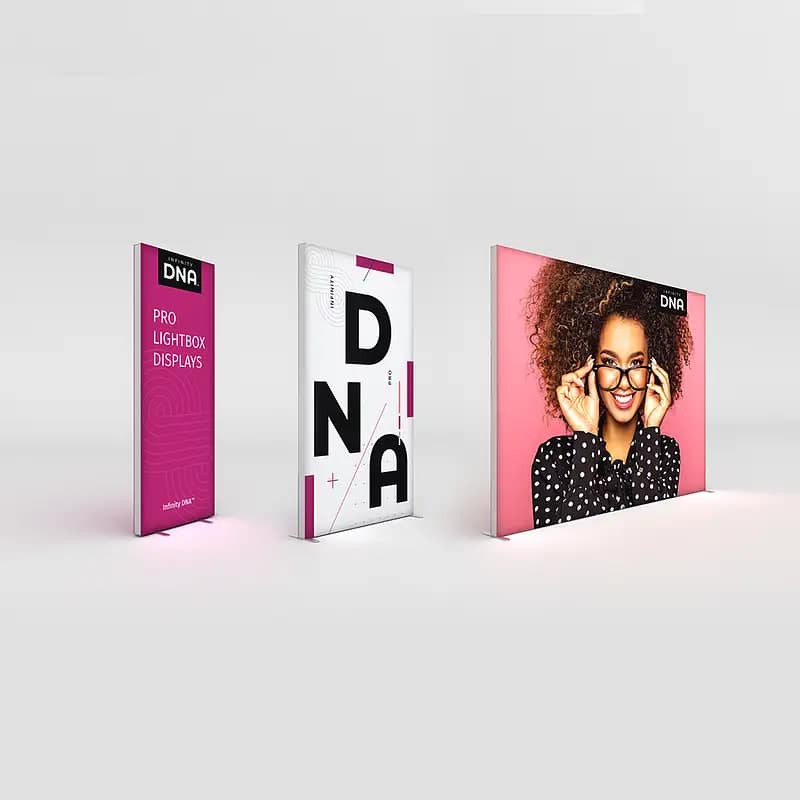
Specifying the right Infinity DNA™ Pro Lightbox starts with mapping journeys: approach angles, dwell zones, and decision points. Larger canvases work hardest where shoppers pause, while slimmer runs or SEG fabric lightbox panels can define categories without visual noise. From an operational standpoint, lightweight aluminium display frames, tool-free exhibition lightbox frames, and interchangeable backlit fabric graphics simplify rollouts, enabling central teams to maintain standards across mixed portfolios, from flagship stores to compact travel sites.
Strategically, configurable systems allow brands to bridge retail, events, and pop-ups using portable SEG graphic displays, portable advertising solutions, and even a premium illuminated trade show stand built on the same technology principles. This convergence helps marketers standardise visual quality, negotiate better procurement terms, and move towards truly circular specifications. To decide which sizes and formats will future-proof your estate, review your current lightbox mix, identify gaps in wayfinding and storytelling, and engage with a specialist to develop a modular blueprint that can evolve with your strategy.
Call to action: Assess your current visual estate, identify high-impact zones, and start a conversation with a retail display expert to define a scalable lightbox configuration strategy that can adapt to new campaigns, locations, and customer expectations.