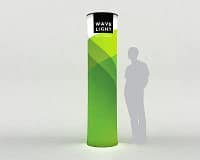
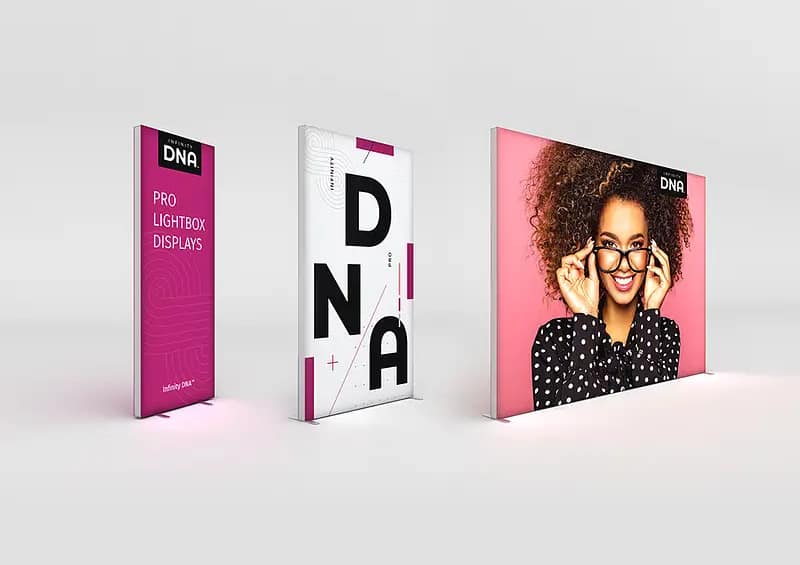
Exploring sizes and configurations of Infinity DNA™ Pro Banners has become a strategic priority for marketers seeking smarter, data-led display in a fragmented media landscape. As UK teams balance performance, brand-building, and production efficiency, banner architecture is no longer a purely tactical decision. The brands pulling ahead treat format choices as part of their broader experience design, integrating creative, media, and measurement disciplines to unlock incremental reach and stronger multi-channel coherence.
In a crowded programmatic marketplace, format discipline is fast becoming as important as creative excellence.
Understanding Infinity DNA™ Pro Banner Formats
Modern campaigns demand a robust mix of standard IAB formats that can work seamlessly across publisher networks, programmatic platforms, and owned media. Desktop mainstays such as the 728×90 leaderboard, 300×250 and 336×280 rectangles, 160×600 skyscraper and 300×600 half-page form the backbone of most flighted activity. Paired with mobile-first units like 320×50 and 320×100, they create a canvas wide enough to support both performance-driven placements and more expressive storytelling. The leadership challenge is deciding how each format contributes to the funnel rather than defaulting to legacy sets.
Key Size Categories for Infinity DNA™ Pro Banners
Display inventory now clusters into three working groups: desktop, mobile, and high-impact environments. High-impact shapes such as 300×600 and 160×600 are powerful for elevating narratives, surfacing richer visuals that echo premium fabric display systems or portable tension fabric backdrops used at physical events. Compact rectangles, meanwhile, excel for retargeting, testing, and creative rotation at scale. The most sophisticated UK advertisers plan format mixes around audience behaviour, device usage and publisher context, not just historical performance reports.
Strategic Configuration and Modular Design
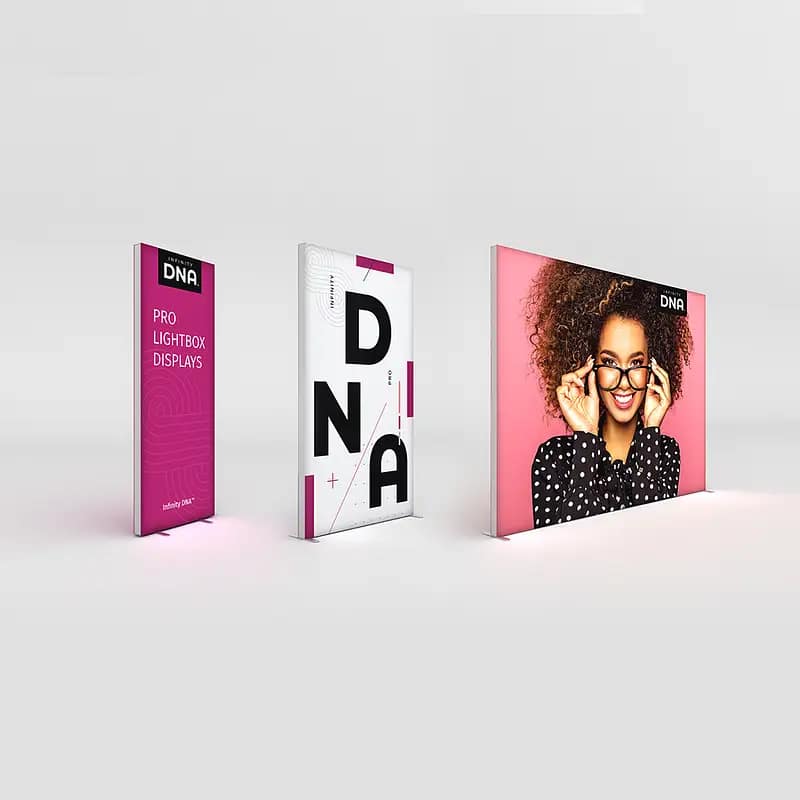
The most effective Infinity DNA Pro Banners treat configuration as a modular system, not a sequence of isolated files. Core brand assets—logo, palette, typographic rules, motion language and CTA frameworks—are designed as reusable building blocks that flex across aspect ratios, similar in mindset to reusable modular display kits or modular exhibition banner stands. This modularity reduces production waste, keeps governance tight, and enables faster experimentation. Thoughtful systems also ensure digital work aligns visually with high-quality promotional displays and professional event branding displays in physical spaces.
Optimisation, Testing, and Governance
Infinity DNA Pro Banners reach full potential when formats, layouts, and narratives are treated as testable hypotheses. Rigorous A/B testing across key sizes reveals where attention, click-through, and post-click quality are strongest, challenging the assumption that a single “hero” format can carry an entire campaign. For UK exhibition stand solutions and online activity to reinforce each other, marketers should build shared asset libraries that span custom fabric banners, lightweight trade show graphics, versatile retail display frames, and durable advertising solutions. This integrated approach simplifies compliance, accelerates iteration, and keeps every touchpoint aligned.
To stay competitive, marketing leaders should audit their current format mix, creative systems, and measurement frameworks for Infinity DNA Pro Banners, identifying where modularity, governance, or funnel coverage is weak. From there, they can prioritise a tighter core set of formats, agree clear hypotheses for each, and align digital display with physical channels. If your organisation is ready to rethink how banner sizes and configurations drive performance and brand equity, now is the time to review your framework and speak with a specialist partner who can help you build a more resilient, future-ready display strategy.