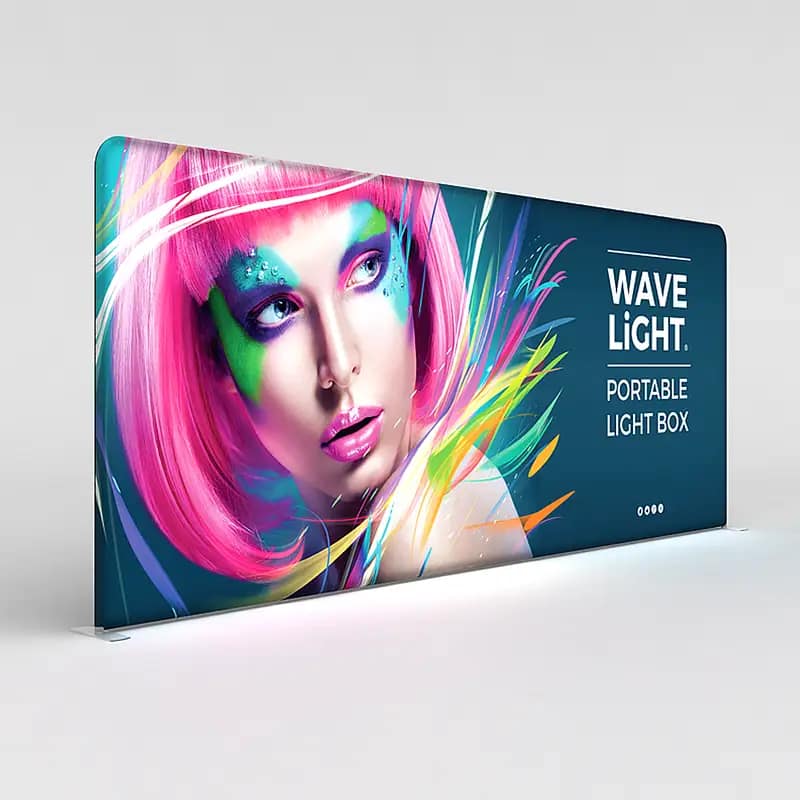
Choosing between single-sided and double-sided WaveLight® LED Lightboxes is now a strategic decision for UK marketers, not a purely technical one. As illuminated display solutions evolve, lightboxes are becoming long-term brand assets that shape how customers navigate, pause, and judge quality within physical spaces. The challenge is to match format to behaviour, ensuring your investment delivers both visual impact and measurable commercial value.
In high-stakes environments like retail, transport and exhibitions, the wrong lightbox configuration is not just a design compromise – it is a missed revenue opportunity.
Understanding Single-Sided Lightboxes in Context
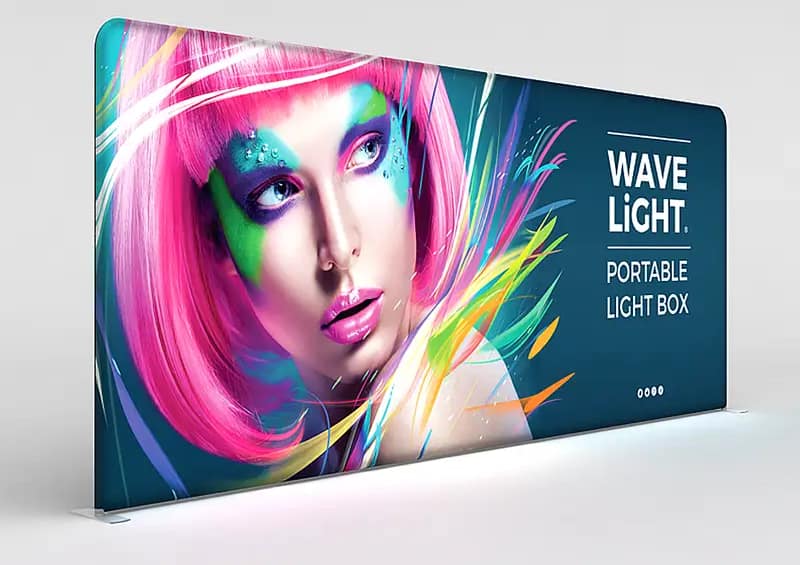
Single-sided configurations excel where sightlines are controlled and space is constrained, such as perimeter walls, concessions, and focused retail backlit signage. Their directional emphasis supports hero messaging, sharp calls to action, and price-led promotions without adding unnecessary visual noise. Strategically, they allow marketing teams to test and iterate creative fast, with one dominant graphic rather than complex multi-face narratives.
Double-Sided WaveLight® LED Lightboxes for 360° Engagement
Double-sided WaveLight® LED Lightboxes come into their own in open, high-traffic environments where audiences approach from multiple directions. In UK exhibition lightboxes and transport hubs, this format effectively doubles communication surface without increasing footprint, turning dead space into productive media. Forward-looking brands are using one face for brand storytelling and the other for tactical messaging, creating layered experiences that support both awareness and conversion goals.
Strategic Criteria, Content Planning and Market Shifts
Choosing the right configuration starts with mapping approach routes, dwell zones, and congestion patterns, then aligning content with how people actually move. Brands experimenting with custom lightbox designs are increasingly pairing double-sided structures with seg fabric lightbox graphics to deliver premium, low-glare storytelling. At the same time, reusable lightbox systems are reshaping cost models, as marketing teams treat frames as infrastructure and graphics as agile, campaign-level assets.
Segment-specific trends also matter. For trade fairs, LED trade show displays and portable illuminated stands favour double-sided builds, while airport advertising lightboxes often mix both types to balance navigation and commercial inventory. In retail, branded backlit displays around key decision points can outperform generic backlit advertising options, particularly when content is tightly localised and refreshed in sync with seasonal trading patterns. Similar thinking now informs outdoor-facing windows and high-impact promotional zones.
Looking ahead, the most successful UK brands will treat every WaveLight® LED Lightbox as a testable media channel rather than static décor. This means defining objectives, benchmarking performance, and using data to refine whether single- or double-sided delivers better cost per impression for each site. Review your current illuminated portfolio, identify priority zones, and collaborate with specialists to specify a balanced mix that supports both brand equity and sales performance.
To move from ad hoc upgrades to a coherent lightbox strategy, audit your key locations, clarify campaign objectives, and map where single-sided precision or double-sided coverage will matter most over the next three years. Then engage a visual communications partner to model scenarios, including retail, events, and airport environments, and build a roadmap that future-proofs your physical brand presence.