
What Materials Make Up Brandcusi® Counters? A Detailed Guide
Many UK marketers and event teams rely on Brandcusi® Counters without ever questioning what they are made from. Yet the materials behind these portable display counters can be the difference between a polished activation and an embarrassing wobble on a busy show floor. Ignoring construction quality often leads to hidden costs, including damage in transit, rushed repairs, and compromised brand presentation at critical moments.
Understanding Brandcusi® Counters Materials
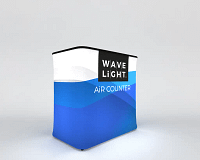
At first glance, these units look like simple custom display counters, but their engineering is more complex. A typical counter combines an internal frame, a structural top, and printed graphics, each using different substrates. When any one of these elements fails, the whole system suffers. Event teams frequently underestimate how quickly low-grade metals, boards, or print media can deteriorate under repeated transport, assembly, and public handling.
Why Counter Materials Matter for Brand Perception
The materials chosen for Brandcusi® Counters directly influence durability, ease of setup, and perceived quality. Aluminium frames and engineered board tops cost more than basic plastic, but they usually last longer and feel more stable under pressure. In crowded venues, where you compete with sophisticated retail showcase solutions, a chipped edge or faded panel can quietly undermine audience trust. Over time, poor materials also increase the risk of last-minute failures before key events.

Frames, Countertops, and Graphics: Common Weak Points
Most modern units use aluminium or similar metals for the frame, but cheaper versions may rely heavily on brittle plastics. This is where portable display counters often start to fail, with cracked connectors or bent uprights. Countertops made from thin board can bow under the weight of laptops or product samples. Meanwhile, low-cost PVC graphics may curl, crease, or yellow, clashing with otherwise high-quality counter designs on the stand.
- Noticeable wobble when someone leans on the counter or signs paperwork.
- Chipped or swollen edges on the top surface, especially after rainy load-ins.
- Graphics that appear dull, scratched, or visibly mismatched with nearby branded retail counter units.
- Connectors that are difficult to lock, suggesting fatigue or small cracks.
- Cases becoming heavier over time due to ad-hoc repairs and additional packing materials.
These are early signs that the underlying materials are no longer coping with regular use. For teams investing in modular exhibition counters or lightweight trade show desks, overlooking wear patterns can lead to emergency replacements just before a major launch. In competitive environments where UK retail display furniture is judged in seconds, tired units can blunt the impact of otherwise premium promotional counters. Reviewing your fleet of versatile sampling counters and event-ready countertop systems with an exhibition specialist can highlight whether refurbishment, upgraded graphics, or a full system refresh will protect your investment and brand image.
If your counters are already showing stress, now is the time to assess them systematically, photograph issues, and seek expert guidance before your next campaign. A short consultation can help you decide whether to repair, replace, or re-specify materials so your Brandcusi® Counters continue to support, rather than weaken, your live marketing.