How WaveLine® Monolith Displays Are Used on Exhibition Stands
Updated: 09 January 2026
General information
WaveLine® Monolith Displays are freestanding vertical displays designed to anchor your exhibition stand, guide visitor flow, and communicate key messages quickly. They perform well in busy aisles, capsule booths, and open-plan exhibition areas. Because they use tensioned fabric graphics on a rigid frame, they combine visual impact with a slim footprint, and therefore work where floor space is limited.
Specifications
Each monolith comes in multiple heights and widths, and consequently you can choose the size that matches your sightlines and stand dimensions. Typical specifications include lightweight aluminium frames, stretch fabric graphics, and secure weighted bases for stability. In addition, modular connectors allow stacking or linking multiple monoliths to create longer continuous walls.
To compare sizes, configurations, and accessories, browse the WaveLine® Monolith Displays range.
Product highlights
Key benefits of WaveLine® Monolith Displays include fast setup, repeatable presentation quality, and strong visual presence. Moreover, the tensioned fabric resists creasing and provides a smooth print surface, so your branding reads clearly from the aisle. In addition, the slim profile reduces sightline blocking while still offering a vertical anchor for your stand.
Components
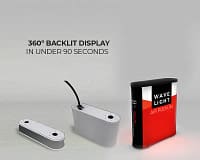
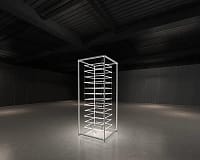
The system consists of a stable base, upright poles, interlocking frame sections, and a single-piece fabric graphic. Consequently assembly is intuitive, and team members without specialist tools can build the display. Furthermore, cases store fabric and hardware separately, which reduces wear and makes packing faster.
Design features
Design choices focus on readability and speed. Therefore use high-contrast colours, concise headlines, and large logos at eye level. Also consider left-to-right message flow so visitors absorb the primary call to action within seconds. Because the fabric is tensioned, graphics remain smooth and vibrant across multiple events when handled correctly.
Portability and storage
WaveLine® Monolith Displays are engineered for repeated transport. For example the lightweight aluminium frame breaks down into compact sections and fits into wheeled cases. As a result you save on shipping costs and storage space. Additionally, labeling parts and separating the fabric from the hard components make unpacking faster at the venue.
Setup process
Setup is straightforward, and therefore you can apply a consistent routine that reduces stress on build day. First, assemble the base and confirm level. Next, build upward in stages while checking alignment. Then slide or wrap the fabric graphic and apply tension, allowing a short alignment check before final tensioning. Finally, wipe the graphic and confirm legibility from the main aisles.
Use cases
WaveLine® Monolith Displays support a range of exhibitor goals. For example use a single tall monolith as a feature point behind a demo area, or deploy several in a row to create a secure conversation zone. In addition, they work well as directional markers at entry points and as premium signage when combined with lighting accessories. Consequently they are suitable for product launches, trade shows, roadshows, and retail pop-up activations.
Conclusion
To conclude, WaveLine® Monolith Displays deliver repeatable, high-impact branding that is easy to transport and quick to build. By standardising your setup routine and separating fabric from hardware, you will reduce onsite friction and maintain consistent visual quality across events. Therefore for exhibitors who need reliable vertical presence and fast changeovers, these monolith displays are an efficient and professional solution.