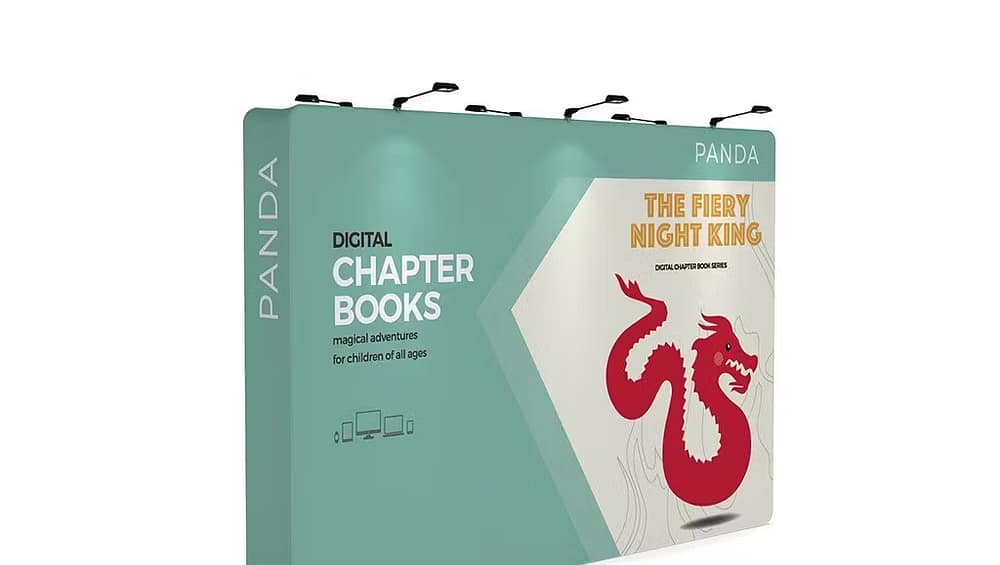
How Easy WaveLine® Monolith Displays Are to Transport Between Events
Updated: 09 January 2026
Transporting an exhibition display should be simple, predictable, and stress free. For event teams who travel from venue to venue, the WaveLine® Monolith Displays deliver a reliable combination of lightweight components, protective packing, and straightforward setup. Consequently, you save time at load‑in, protect your graphics, and present a consistent brand impression to every visitor.
General Information
The WaveLine® Monolith is purpose built for repeated event use, and therefore it focuses on durability and ease of transport. In addition, the modular design means you can choose sizes and configurations that match your road case and vehicle. As a result, you get a display that performs under tight schedules and frequent handling.
Product Highlights
These monolith displays are crafted to balance visual impact with practical portability. For example, the frame packs into compact sections, while the fabric graphic rolls and stows separately to prevent creasing. Moreover, quick connectors and clear labelling speed assembly, so less time is spent on the floor and more time engaging visitors.
Design Features
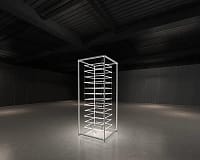
First, the anodised aluminum frame reduces weight without sacrificing stability. Second, the tension-fit fabric graphic attaches cleanly to create a seamless face. Finally, integrated feet and leveling points ensure that the display stands true on a variety of floor surfaces. Together, these features make setup repeatable and predictable.
Specifications
- Frame material: Lightweight aluminium with corrosion-resistant finish
- Graphic type: Dye-sublimated stretch fabric for crease resistance
- Packed dimensions: Sections designed to fit standard road cases
- Weight: Optimised per kit size to allow two-person handling
- Available heights: Multiple sizes to suit sight lines and venue rules
Components and Packing
Packing logically protects parts and speeds reassembly. Therefore, store fabric graphics separately from hard parts, and label each compartment. In addition, use foam dividers inside your case to prevent scuffing, and keep small connectors in a clearly marked pouch. The following checklist simplifies preparation:
- Separate fabric from frame sections inside the case
- Label each bag or compartment with part names and build order
- Include a spare tension clip and an extra screwdriver for quick fixes
Portability and Vehicle Fit
WaveLine® Monolith Displays are sized to fit common vans and cars, and therefore you can avoid larger hire vehicles when possible. Moreover, the modular packing permits you to distribute weight evenly across the load area. When loading, arrange the heaviest pieces flat on the floor and secure them with straps. Consequently, your kit arrives undamaged and ready to assemble.
Setup Process and Arrival Checks
On arrival, follow a short, consistent routine to ensure a premium result. First, assemble the base and confirm it sits level. Second, build upward in stages and check alignment before applying the graphic. Third, allow a minute for final alignment and then tension the fabric cleanly. Additionally, perform a quick wipe-down so printed text reads crisply from the aisle.
- Unpack and lay components in build order
- Assemble base and check level
- Attach frame sections, verify alignment
- Apply graphic and tension, then perform final checks
Conclusion
In summary, WaveLine® Monolith Displays make transport and setup straightforward, and thus they free your team to focus on visitors. Build good habits around packing, labelling, and arrival checks, and your display will remain premium after repeated use. To compare sizes, configurations, and accessories, browse the WaveLine® Monolith Displays.