Materials Used in Exhibition Stand Kits and Why They Matter
Updated: 06 January 2026
Introduction
Exhibition stand kits are central to successful trade shows, conferences, and brand activations. Consequently, choosing the right materials matters for durability, appearance, and cost over time. This guide explains the common materials used across exhibition stand kits, and it highlights how each choice affects performance, setup, and long term value.
General Information
Exhibition stand kits combine framework, panels, graphics, and accessories into a portable package. Therefore, manufacturers select materials to balance weight, strength, cost, and appearance. For example, lightweight aluminium frames are common because they reduce shipping costs and simplify onsite handling. Meanwhile, graphic panels use materials that preserve print quality and withstand repeated installation.
Material Quality and Common Options
Materials determine how a kit performs under repeated use, so quality matters. Typical components include aluminium extrusions for frames, PVC or foamboard for panels, tension fabric for seamless graphics, and acrylic or glass for display accents. Additionally, hardware such as clamps, connectors, and feet are often steel or reinforced polymer for reliability. In short, material selection directly impacts longevity and visual impact.
Design Features Influenced by Materials
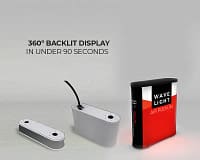
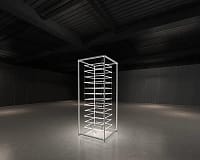
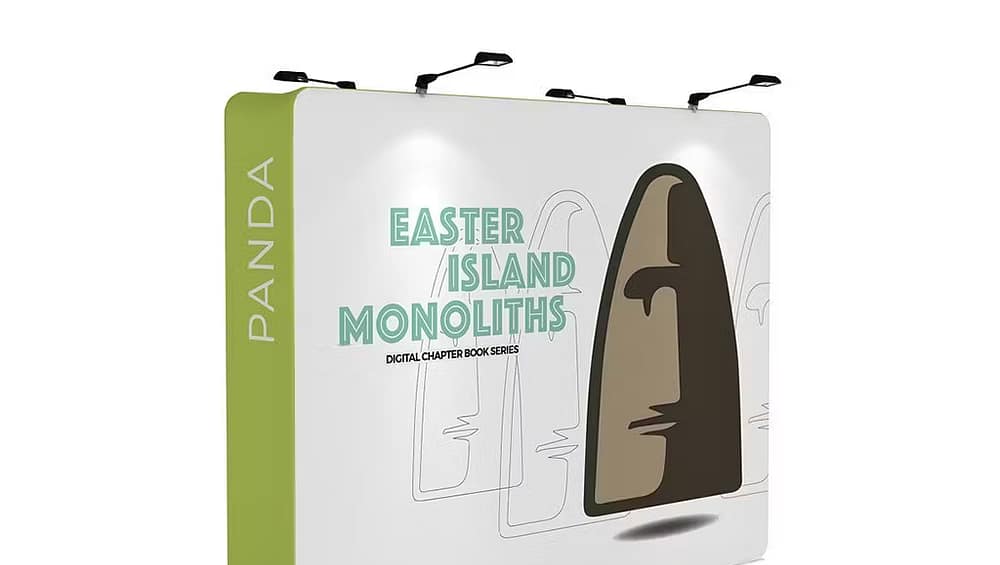
Materials affect design flexibility and visual finish. For example, modular aluminium frames allow scalable layouts, while tension fabric graphics provide a wrinkle-free look and quick replacement. Moreover, rigid panels offer flat surfaces for backlit graphics, which enhances visibility. Consequently, understanding material properties helps you choose a kit that matches your brand’s aesthetic and functional needs.
Portability and Setup Process
Lightweight materials simplify transport and reduce setup time. Therefore, exhibition teams often prefer kits with snap-together aluminium frames and printed fabric that stretches over the frame. Additionally, kits designed for tool-free assembly speed staging and breakdown, and they require fewer staff. As a result, travel costs and venue handling fees can be lower while maintaining a professional presentation.
Use Cases and Applications
Different materials suit different event types. For example, robust panels and thicker frames are ideal for multi-day expos where high footfall is expected. Conversely, portable tension fabric displays are perfect for pop-up events, roadshows, and smaller exhibition spaces. Moreover, hybrid setups that combine rigid backdrops with fabric banners create focal points that guide visitor attention effectively.
Product Category Advantages and Creative Uses
Choosing the right combination of materials unlocks advantages in branding and logistics. For instance, updating printed fabric graphics is more economical than replacing whole structures, and modular frames adapt to varying booth sizes. Furthermore, pairing banner stands, roll-ups, and wall kits creates layered visual messaging that attracts visitors from multiple angles. View the full range of professional systems available at
Exhibition Stand Kits.
Conclusion
Materials used in exhibition stand kits shape every aspect of an exhibition presence, from setup speed to brand impression. Therefore, consider material quality, weight, and modularity when selecting a kit. In addition, think about how graphics will be updated and how the kit will travel between venues. Ultimately, the right materials deliver consistent visual impact, save costs over time, and make your exhibitions easier to manage.