Matching Exhibition Stand Kits to Industry-Specific Uses
Updated: 06 January 2026
Introduction
Exhibition stand kits offer a fast, reliable, and cost-effective way to present your brand at trade shows and events. For busy marketers and event coordinators, choosing the right kit reduces setup time and improves visitor engagement. Moreover, when you understand the variations within the category, you can match a kit to specific industry needs and get better results at every event.
General Information about Exhibition Stand Kits
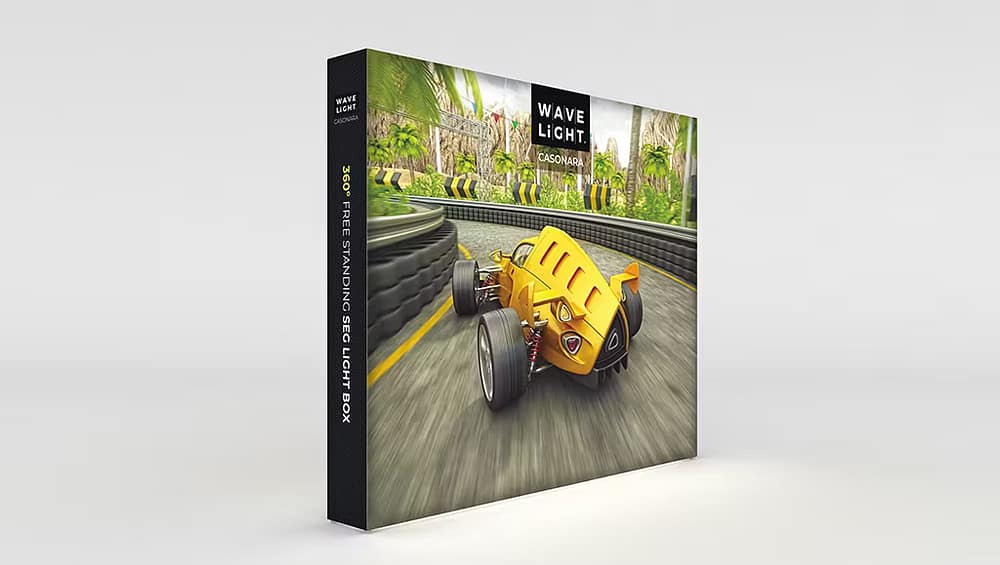
Exhibition stand kits include modular frames, graphic panels, lighting, and accessories. Consequently, they are designed to be compatible across multiple kit sizes, from compact pop-up displays to larger island stands. In addition, kits are often sold with optional upgrades, which means you can expand functionality as event requirements grow.
Product Highlights and Category Advantages
Stand kits combine modular design with repeatable performance, and therefore they deliver predictable results in live environments. For example, high-visibility graphics and integrated lighting increase footfall, while durable frames withstand frequent handling. Furthermore, the modular nature reduces storage and transport costs, and this is a major advantage for companies exhibiting at multiple shows.
Specifications and Compatibility
Most kits specify frame materials, recommended graphic substrates, and recommended load capacities for shelving or screens. Additionally, compatibility across connector types ensures you can mix components from different kits. Therefore, verify measurements, graphic bleed, and weight tolerances before finalising a selection so that the kit works with your existing AV and exhibit assets.
Use Cases: Industry-Specific Examples
Technology companies often prioritise integrated monitor mounts and cable management, and thus choose kits with reinforced frames. Meanwhile, retail and FMCG brands focus on graphic area and visitor flow, so they prefer kits with curved walls and clear sight lines. Similarly, professional services firms value modular counters and private meeting spaces, which are easily achieved through kit add-ons.
Creative Uses of Multiple Products in the Category
Combine a backdrop kit with a freestanding banner and a branded podium to create layered messaging that guides visitors. In addition, use interchangeable graphics to tailor the same kit for regional campaigns, and consequently reduce long-term production costs. For larger exhibition spaces, cluster multiple kits to form a branded environment that supports product demos and private consultations.
Portability and Setup Process
Most kits are designed for rapid setup by a two-person team, and therefore setup times are predictable. Furthermore, quick-connect frames and tool-free fittings reduce errors during installation. For transport, kits pack into reusable cases or wheeled crates, which helps teams move quickly between venues and reduces handling damage.
Long-Term Practicality and Maintenance
Over time a kit pays for itself, because you refresh graphics rather than replace the entire structure. Additionally, modular components extend life expectancy, so you can invest in higher-quality frames without worrying about obsolescence. Regular maintenance, such as tightening connectors and replacing printed panels, keeps the kit looking professional year after year.
Conclusion
Choosing the right exhibition stand kit means balancing specifications, design flexibility, and long-term cost efficiency. Therefore, when you prioritise compatibility, portability, and modular upgrades, you create a display strategy that scales with your needs. For a practical starting point and to view a full range of professional systems, see Exhibition Stand Kits.