From Frame to Graphic: How Exhibition Stand Kits Are Assembled
Updated: 06 January 2026
Exhibition stand kits combine modular frames, replaceable graphics, and practical accessories to create consistent brand experiences at events. For busy marketers and exhibition planners, understanding the category helps you choose the right kit for different venues, budgets, and campaign goals. Below we outline the core elements, use cases, and advantages so you can plan with confidence and deliver memorable presentations.
General Information about Exhibition Stand Kits
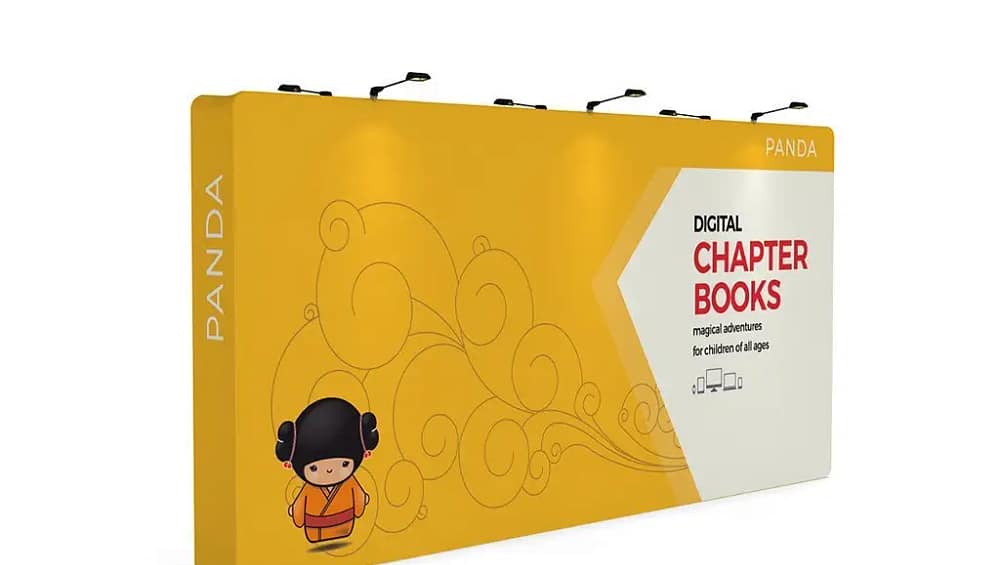
Exhibition stand kits are modular systems that include frames, printed graphics, and ancillary items such as lights and counters. They are designed to be flexible, and therefore adaptable to different booth sizes and floor plans. For a full overview of options, see the available range of systems like Exhibition Stand Kits, which illustrates the variety of frame styles and graphic finishes commonly offered.
Design Features That Make Kits Work
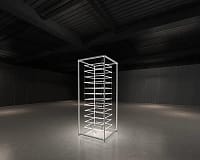
First, frames are engineered for tool-free assembly, so teams can set up quickly. Second, graphics attach using magnetic strips, silicone edges, or snap-fit rails to ensure a tight, professional finish. Third, integrated lighting and shelving options increase visibility and product display flexibility. As a result, design features reduce installation time while improving the visual impact of the stand.
Components Included in Typical Kits
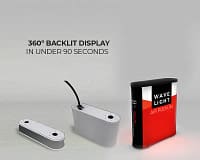
Most kits include a lightweight aluminium frame, tension fabric or vinyl graphics, a transport case, and basic fixings. Additionally, many kits are compatible with add-ons such as counters, brochure holders, and monitor mounts. Therefore, you can start with a core package and then scale functionality according to event goals and space constraints.
Material Quality and Finishes
Kits are available with different substrate options for graphics, including dye-sublimated fabrics and wrinkle-resistant PVC. Frames usually use corrosion-resistant alloys, which increase longevity when used frequently. Consequently, choosing higher quality materials delivers better print vibrancy, structural stability, and repeated-use durability, helping to lower total event costs over time.
Portability and the Setup Process
Portability is a primary selling point. Lightweight frames collapse into road cases, and graphics roll or fold into protective sleeves, making transport efficient. Setup is typically straightforward, and team members can complete assembly in under an hour for common sizes. Moreover, clear step-by-step guides and numbered components speed the process, so labour costs are predictable and events run on schedule.
Use Cases and Creative Combinations
Exhibition stand kits work for trade shows, pop-up retail spaces, product launches, and customer experience activations. For example, combine a curved backdrop with printed side panels to create an immersive demo area, or pair a modular island kit with counters to form a welcoming meeting zone. Furthermore, swapping graphics between shows lets you refresh messaging without replacing the structure, which supports seasonal campaigns and multi-market rollouts.
Conclusion: Category Advantages and Long-Term Value
Ultimately, exhibition stand kits offer a balance of flexibility, cost efficiency, and brand consistency. Because components are reusable and graphics are replaceable, you reduce waste and maintain a uniform look across events. In addition, modular designs make it easy to scale displays up or down as needs change. Therefore, investing in the right kit category streamlines planning, improves on-site performance, and delivers measurable value across multiple events.