Essential Display Elements Found in Exhibition Stand Kits
Updated: 06 January 2026
Introduction: Why Exhibition Stand Kits Matter
Exhibition stand kits offer a practical and versatile way to build a consistent brand presence at events, trade shows, and pop-ups. They combine modular components with professional graphics, and therefore allow teams to deliver maximum visual impact while controlling costs. For busy marketing managers and event planners, kits provide predictable results, and they simplify planning and logistics.
General Information: What the Category Includes
Exhibition stand kits generally include back walls, towers, counters, shelving, and graphic panels. Moreover, many kits add integrated lighting, flooring options, and transport cases. As a result, you receive a near-complete display package that adapts to different booth sizes and venues. View the full range of professional systems available at Exhibition Stand Kits.
Key Components: Building Blocks of a Stand Kit
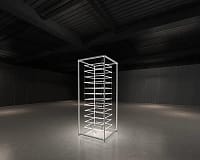
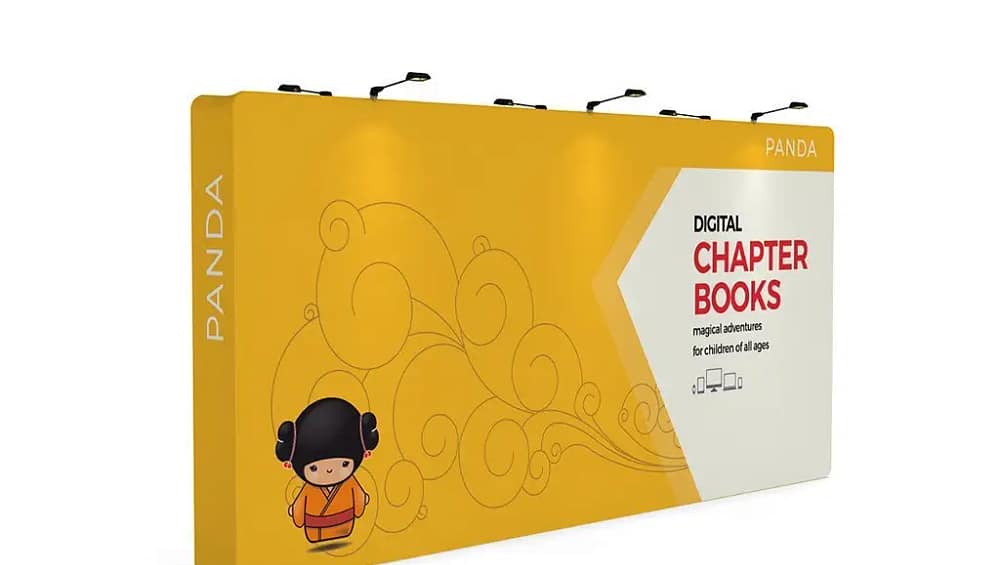
Back walls form the central visual surface, and they often use tension fabric or rigid panels for easy graphic changes. Counters and demo areas facilitate interaction, and brochure holders and shelving organize takeaways. In addition, towers and feature panels add height and sightlines, which improves visibility across a busy hall. Each component is designed to connect consistently, so assembly remains straightforward even when you add optional pieces.
Design Features and Material Quality
High-quality kits use durable frames and print materials to withstand repeated use. Furthermore, dye-sublimated fabrics and UV-resistant inks preserve colour vibrancy over time. The design language remains uniform across components, and consequently your brand looks polished and professional from every angle. For example, coordinated trim, matching finishes, and consistent mounting hardware all contribute to a cohesive appearance.
Lighting and Graphics Integration
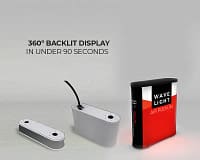
Integrated LED lighting improves graphic clarity and establishes a visual hierarchy, so key messages stand out. Contemporary kits include options for front-lit, back-lit, and spot lighting, and therefore you can highlight product images or key text. Moreover, modular graphic panels allow quick updates at lower cost, and consequently you can refresh campaigns without replacing the structural elements.
Portability and Setup Process
Portability is central to the category, and most kits pack into compact, wheeled cases for transport. Additionally, many systems are tool-free and offer snap-fit connectors to speed assembly. As a result, teams can set up and break down quickly, which reduces labor costs and venue time. Clear labelling and modular parts also make storage and reconfiguration simple between events.
Use Cases and Creative Combinations
Exhibition stand kits work well for trade shows, product launches, roadshows, and temporary retail environments. For instance, combine a tall tower with a wraparound back wall to create a branded meeting area, and then add a counter and demo shelf for hands-on presentations. Alternatively, use multiple small kits together to create a larger branded zone, and thereby craft interactive islands for different product lines. In addition, mixing back-lit fabric panels with open shelving produces depth and invites exploration.
Product Category Advantages in Real Settings
Choosing a kit saves time and delivers consistent results across multiple events. Therefore, it reduces the need for bespoke carpentry and lowers lifetime costs by allowing graphic updates instead of full rebuilds. Furthermore, the modular nature of kits makes them future-proof, and consequently you can scale displays up or down according to venue size and campaign needs.
Conclusion: Benefits Reinforced
In summary, exhibition stand kits combine visual impact, portability, and cost efficiency, and they are ideal for teams that need repeatable, high-quality displays. They offer durable materials, flexible graphics, and quick setup, so you can focus on engaging visitors rather than managing complex build processes. Finally, by choosing the right combination of components you can create a memorable presence that supports sales and brand recognition over time.