Custom Layout Possibilities Using Exhibition Stand Kits
Updated: 06 January 2026
General information about exhibition stand kits
Exhibition stand kits form a versatile product category that helps exhibitors create consistent and professional displays quickly. These kits combine frames, panels, and graphic systems so that teams can focus on messaging rather than construction. Moreover, because kits are modular, they support a wide range of booth sizes and styles while keeping costs predictable across multiple events.
Key design features and components
Modular components
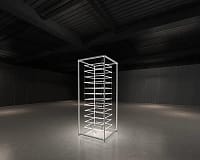
First, most kits include interchangeable frames and connectors that snap together without specialised tools. Consequently, you can expand or reduce a layout on site, which makes the same kit useful for regional shows as well as large trade fairs. In addition, add-on accessories such as shelving, lighting bars, and tablet stands plug into standard mounts so the kit remains adaptable.
Material quality and finishes
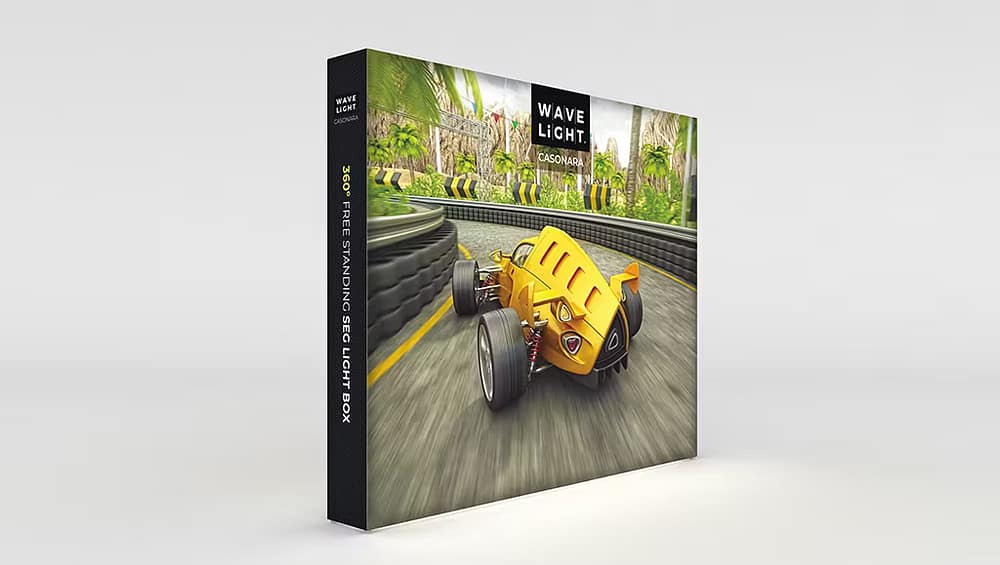
Second, the category emphasizes durable materials like extruded aluminium frames and tension fabric graphics that resist wear. Therefore, repeated transport and setup have minimal impact on appearance. Furthermore, finishes include matte and gloss options, which helps marketers match brand standards while maintaining professional impact under show lighting.
Specifications and scalability
Exhibition stand kits come in standard footprint sizes and also support custom configurations. For example, 3×3 metre kits are common for island booths while compact 2×2 metre kits suit pop-up events. As a result, you can plan layouts based on venue dimensions, and then scale up by adding frame sections or modular panels. This scalability reduces lead times and simplifies inventory management for event teams.
Use cases and layout examples
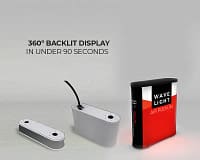
Use kits for product launches, demo stations, and branded meeting areas. For instance, create a demo counter with a backlit graphic wall and a side shelving unit for product samples. Alternatively, configure a welcoming reception with branded signage and a small seating area. In each case, the kit provides a consistent base so you only update graphics or accessories to tailor the experience.
Portability, setup process, and operational planning
Because kits are designed for repeated travel, they include protective carry cases and labelled components to speed setup. As a result, setup time is predictable and staff training remains minimal. Moreover, consider venue regulations and staffing needs early, and then select a kit whose crate sizes meet transport constraints. This planning reduces downtime and improves overall event performance.
Product category advantages in event settings
The category advantage is clear: kits deliver repeatable quality and faster returns on investment. Over time, brands save money by refreshing graphics rather than rebuilding structures, and they maintain a consistent brand presence across shows. In addition, kits are often compatible with lighting and AV modules, which increases visibility and visitor engagement.
View the full range of professional systems available at Exhibition Stand Kits.
Creative combinations and multiple product uses
Finally, combine several kits to form larger environments such as themed zones or demonstration theatres. For example, link a central feature wall to smaller side kits to create product-specific islands. Also, mix portable counters and shelving kits to create retail-style layouts within a trade show stand. Thus, the flexibility of the category supports both standardised rollouts and creative, bespoke presentations.
Conclusion: why choose exhibition stand kits
In conclusion, exhibition stand kits offer reliability, flexibility, and cost efficiency for event teams. Because they are modular and durable, they reduce setup time and simplify logistics, which allows marketers to focus on messaging and visitor experience. Therefore, whether you are exhibiting locally or internationally, the category provides scalable solutions that grow with your needs while protecting your investment.