Core Components That Make Up Exhibition Stand Kits
Updated: 06 January 2026
General Information
Exhibition stand kits combine modular engineering and graphic versatility to deliver turnkey display solutions for trade shows, retail pop-ups, and corporate events. For marketers and event managers, these kits reduce planning time and lower long-term costs. Furthermore, they provide a consistent brand backdrop that is easy to refresh by changing graphics instead of replacing structure.
Core Components Overview
At the heart of most kits is a modular frame system built from aluminium tubing or extruded profiles. As a result, frames balance strength with low weight, which makes transport and handling easier. In addition, kits commonly include connection hardware, graphic panels, and carrying cases so that teams receive a near-complete solution on delivery.
Connection Methods and Assembly
Connection methods determine how quickly a stand can be assembled. Therefore, many kits use tool-free connectors, push-fit joints, and numbered pieces to simplify setup for staff who are not technical experts. Moreover, clear labeling and modular brackets improve repeat accuracy, so teams can assemble consistent layouts across multiple events without extra training.
Surface and Finish Elements
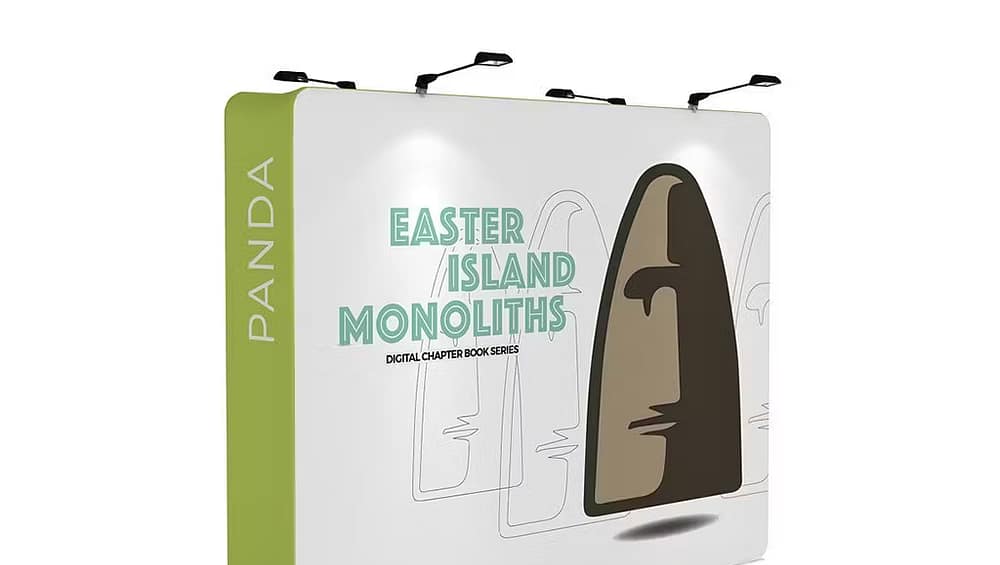
Graphic systems vary from tension fabric sleeves to rigid graphic panels and printed skins. Consequently, exhibitors can choose fabric for wrinkle-free, lightweight transport, or rigid panels for a premium finish and greater durability. Additionally, printed finishes are produced to match frame geometries precisely, which ensures a seamless visual presentation and helps maintain brand integrity.
Expandable Add-Ons and Modularity
Modular add-ons make it possible to scale a base kit as needs change. For example, additional bays, podiums, shelving, and integrated screens can be added without replacing the primary structure. Therefore, companies save on capital expenditure while retaining the option to create varied booth sizes and configurations. View the full range of professional systems available at Exhibition Stand Kits.
Use Cases and Practical Layouts
Exhibition stand kits work well in a variety of settings. For instance, a compact kit functions as a branded backdrop for product demos and small meetings, while a multi-bay configuration supports lead capture, demo stations, and storage. In addition, modular kits adapt to conference halls, mall activations, and roadshows, so teams can deploy a consistent brand presence across channels.
Portability, Material Quality, and Maintenance
Portability is a primary benefit for frequent exhibitors. Consequently, lightweight aluminium frames, segmented profiles, and protective flight cases reduce shipping costs and simplify logistics. Moreover, high-quality printed textiles and coated panels resist wear and are easy to replace when designs update. Therefore, maintenance involves swapping graphics and checking connection points, which keeps downtime to a minimum.
Conclusion
In summary, exhibition stand kits deliver a practical balance of durability, visual impact, and scalability. Because they are modular and easy to assemble, these systems let teams focus on messaging and visitor engagement rather than structural concerns. Finally, by investing in a flexible kit and refreshing graphics over time, organisations maximise value while maintaining a consistent professional presence at every event.