Choosing Exhibition Stand Kits Based on Venue and Audience
Updated: 06 January 2026
Introduction
When you are planning events, the right exhibition stand kit can make the difference between blending in and standing out. This guide explains how product category options respond to venue constraints and audience expectations. Consequently, you will be able to choose kits that deliver visibility, flexibility, and cost efficiency across multiple shows.
General information about exhibition stand kits
Exhibition stand kits combine frames, panels, graphics, and accessories into modular packages. They range from compact pop-ups to multi-module island systems, and therefore meet different floor plans and budgets. For a clear view of available styles and configurations, see the full category here: Exhibition Stand Kits. In addition, many kits allow graphic swaps so you can refresh messaging without replacing hardware.
Venue considerations
First, evaluate the venue dimensions and access restrictions. Narrow aisles favor slim inline kits, while open halls support larger island configurations. Secondly, check venue regulations for height limits, floor loading, and fire safety. Finally, consider sightlines and lighting so that your kit maximizes visibility from key approach routes.
Audience-driven design choices
Your audience determines the focal points of the kit. For example, professional buyers may respond to clean branding and meaningful product displays, while consumers often react better to immersive visuals and interactive demos. Therefore, choose kits that accommodate demo stations, counters, and media mounts to engage attendees effectively.
Product category advantages in exhibition settings
Exhibition stand kits offer several distinct benefits. First, modularity lets you scale kits up or down, which reduces waste and cost. Second, they speed up setup and teardown, saving time and staffing. Third, durability ensures repeated use across seasons, and graphic interchangeability supports fresh campaigns. As a result, investing in kits can lower long-term expenditure while improving brand consistency.
Creative uses of multiple products in the category
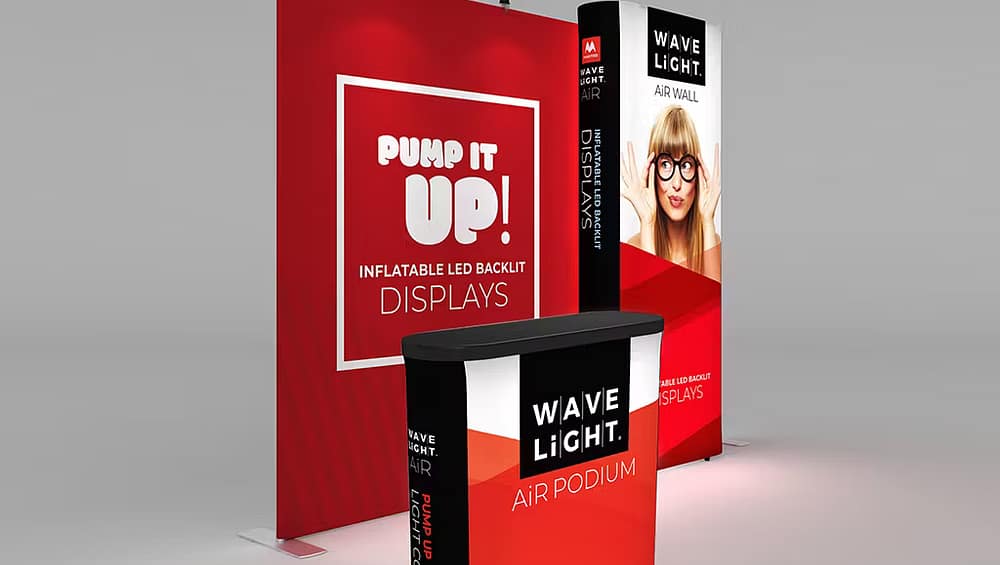
Combine kits to create flexible footprints and themed zones. For instance, pair a branded backdrop with portable counters to create meeting areas, and then add a freestanding banner for directional messaging. Moreover, use a mix of textures and finishes to differentiate product categories within a single presence. This layered approach lets you present multiple messages without creating visual clutter.
Setup process, portability, and logistics
Most kits are designed for efficient transport and on-site assembly. Consequently, look for lightweight frames, numbered parts, and tool-free connectors to cut setup time. In addition, check case sizes and weight for shipping and storage. Also, consider whether the kit includes options for easy graphic replacement so you can update visuals between events without professional help.
Material quality and long-term practicality
Choose materials that withstand repeated handling and event conditions. Aluminum frames resist corrosion, tension fabrics resist creasing, and laminated graphics hold color longer. Therefore, prioritize quality components that protect your brand investment while keeping maintenance simple. Over time, you will see savings through fewer replacements and consistent presentation.
Conclusion
In summary, selecting exhibition stand kits based on venue and audience is a strategic choice that affects visibility, cost, and logistics. By focusing on modularity, durability, and audience-friendly design, you can create adaptable displays that perform well across shows. As a result, your exhibitions will be easier to manage and more effective at converting visitors into customers.