How Hanging Banners Are Constructed: Frames, Fabrics, and Connection Systems
Introduction
Hanging banners are a versatile category of exhibition graphics designed to capture attention above crowded floors. For exhibitors and event planners, understanding how hanging banners are constructed helps you choose the right combination of frames, fabrics, and connection systems. Moreover, this knowledge reduces setup time and improves on-site impact, while also helping you plan transport and budgeting more accurately.
General information about the category
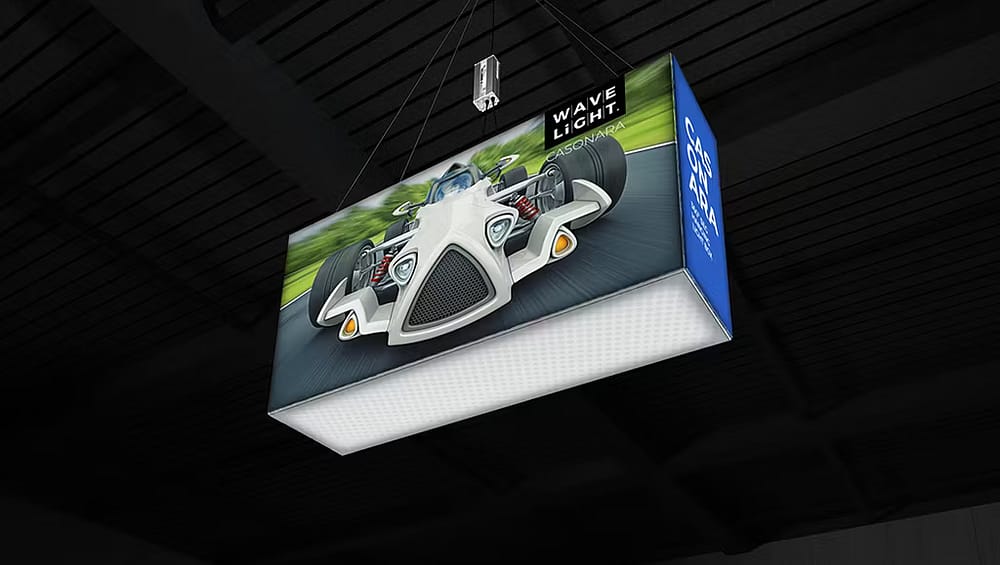
Hanging banners include a range of suspended graphics, from single-sheet ceiling signs to layered shapes that create depth and motion. Typically, these products combine three core elements: a support frame, printable fabric or vinyl, and a connection system that secures the banner to rigging points. In addition, a well-chosen hanging banner maximizes sightlines and brand visibility when compared to floor-level displays. For a practical selection of styles and sizes, browse our collection of Hanging banners designed for exhibition environments.
Frame and connection systems
Frames define the shape and tension of a hanging banner, and they come in aluminum, steel, or lightweight composite materials. Consequently, each frame type affects weight, rigidity, and shipping costs. Furthermore, connection systems range from simple cables and S-hooks to engineered clamps and rigging kits for truss or ceiling grid attachment. Therefore, choose connectors rated for the venue’s load limits and certified for indoor use. In addition, modular frame systems allow multiple banners to link together for custom compositions.
Fabrics, printing, and material quality
Fabric selection determines print quality, drape, and durability. Polyester voile and tension-fabric systems offer soft, edge-to-edge printing and deliver vibrant color fidelity, while coated vinyl provides excellent opacity and long-term wear. Moreover, dye-sublimation printing penetrates polyester fibers for wash-fast, crease-resistant graphics. As a result, high-quality materials increase perceived value and ensure consistent brand presentation across events. Finally, verify flame-retardant certifications when selecting materials for indoor exhibitions.
Use cases and creative setups
Hanging banners excel at improving sightlines, guiding visitors, and reinforcing brand hierarchy. For example, use a suspended circular banner above the booth perimeter to attract viewers from multiple aisles, while a series of staggered rectangles creates an overhead pathway guiding traffic. Additionally, combine hanging banners with backwalls and pop-up stands to form a layered spectacle. Therefore, plan heights and shapes so they do not obstruct sightlines or violate venue regulations.
Portability, components, and setup process
Portability matters for frequent travelers, and lightweight frames that pack into compact cases reduce shipping and labor costs. Moreover, most systems include detachable corners, tensioning hardware, and labeled components to speed assembly. Consequently, a typical setup involves unpacking the frame, fitting the fabric graphic, and securing the connection hardware to approved rigging points. Also, factor in tools and manpower; many venues require certified rigging technicians for overhead installations.
Product category advantages and conclusion
Hanging banners deliver high-visibility branding with a relatively small footprint on the show floor. In addition, they scale across venues from small trade shows to large conventions, and they allow flexible creative expression through shapes, finishes, and layered arrangements. Therefore, investing in well-constructed hanging banners improves booth presence, reduces installation time, and increases recall among attendees. In conclusion, choose materials, frames, and connection systems that balance weight, durability, and aesthetics to maximize your exhibition return on investment.