From Circular to Tapered: What’s Included in Today’s Hanging Banner Systems
Introduction
Hanging banner systems transform an exhibition space, and they do so in ways that matter to marketers, designers, and event planners. In this article you will learn how different shapes, materials, and hardware combine to create standout overhead branding. Furthermore, you will discover practical ideas and real world advantages that make these products essential for trade show success.
General Information About Hanging Banner Categories
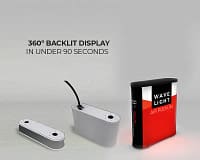
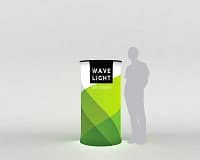
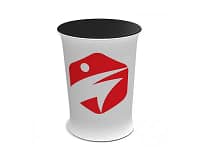
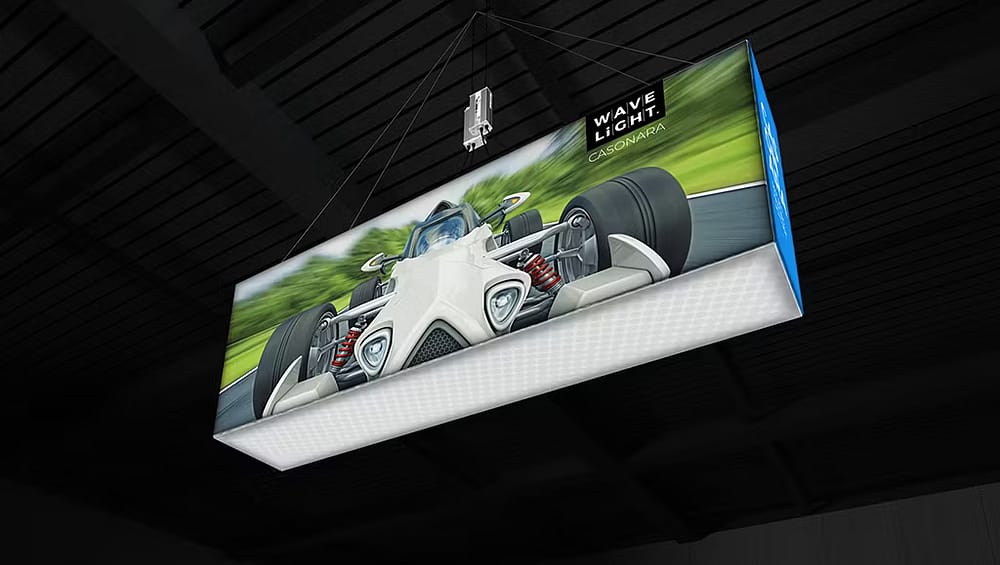
Hanging banners come in a wide range of profiles, including circular, tapered, rectangular, and custom sculpted shapes. Moreover, each profile influences sightlines, print area, and transport. For example, circular banners offer 360 degree brand visibility, while tapered banners focus attention along aisles and entry points. To explore options from entry level to premium finishes, consider browsing our curated catalogue of durable and visually impactful Hanging banners.
Specifications and Core Components
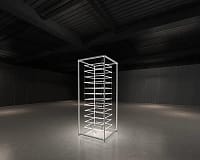
Manufacturers specify dimensions, printable area, and weight limits for every hanging banner. In addition, core components typically include a printed fabric or PVC graphic, an internal frame or hoop, suspension cables, and ceiling hardware. Consequently, knowing maximum banner diameter, recommended hanging height, and shipping dimensions helps you plan logistics and rigging approvals.
Use Cases Across Events and Venues
Hanging banners suit a variety of situations. For instance, use circular banners above island booths to provide 360 degree exposure. Alternatively, choose tapered banners above aisles to guide traffic and reinforce wayfinding. In addition, hanging banners work well for large concourses, product launches, and brand activations because they attract attention from long distances and reduce visual noise at floor level.
Product Category Advantages in Trade Show Settings
Compared with floor graphics or pop up walls, hanging banners deliver elevated visibility without occupying valuable floor real estate. Furthermore, they shorten the time visitors take to locate your booth, and therefore increase foot traffic. Also, because many systems are modular, you can reuse components across multiple events to reduce long term costs and improve sustainability.
Creative Uses of Multiple Hanging Banners
Combine circular and tapered banners to create layered visual hierarchies and draw sightlines toward featured displays. For example, hang a large circular sign at the center of an exhibit and surround it with smaller tapered banners to direct visitors into product zones. Additionally, mix translucent and opaque materials to produce backlit effects and dynamic lighting interactions that reinforce premium branding.
Portability, Setup Process, and Practical Considerations
Most modern hanging banner systems prioritize quick assembly and compact shipping. Therefore, choose systems with lightweight frames and foldable hoops if you change venues frequently. Moreover, verify that included suspension cables and ceiling hooks match venue rigging rules, and always request test install guidance when planning complex configurations. For durability, look for reinforced seams, tear resistant fabrics, and weather tolerant coatings if you plan outdoor use.
Conclusion
Hanging banner systems deliver a high return on visibility because they combine strategic placement, easy setup, and reusable materials. In addition, by selecting the right shape, size, and components you can amplify brand recognition and improve visitor navigation. Ultimately, whether you prefer circular spectacle or tapered precision, hanging banners are a versatile category that supports both immediate event goals and long term exhibition strategies.