A Guide to Shapes and Sizes: Exploring Hanging Banner Configurations
Introduction
Choosing the right hanging banner can change how attendees discover your booth, so understanding shapes, sizes, and installation methods is essential. In this guide, you will find clear explanations of the category, practical use cases, and creative ways to combine multiple banners. Moreover, the information will help you plan displays that increase visibility and brand recall across any event space.
General Information about Hanging Banner Options
Hanging banners include a broad range of shapes and formats, and they are designed to be visible from a distance. Therefore, it is important to consider ceiling height, sight lines, and nearby structures when selecting a configuration. To see a curated selection that fits different venue sizes and budgets, browse our range of Hanging banners that are made for trade shows and large events.
Common Shapes Available
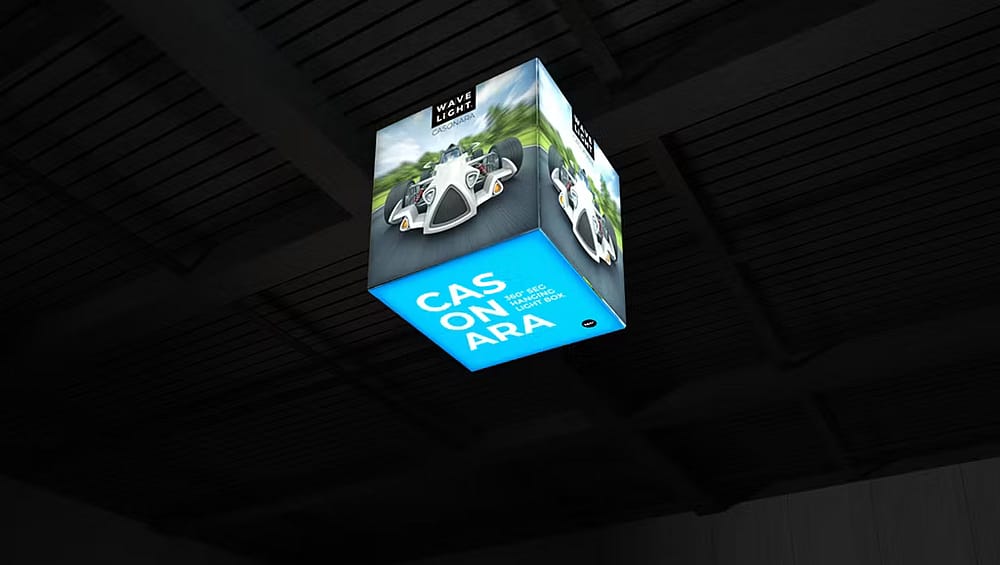
Round, square, rectangular, and custom-cut shapes are common choices. For example, circular banners are ideal when you want a central focal point, while rectangular banners work well for directional messaging. In addition, multi-tiered shapes allow for layered branding that captures attention from multiple angles.
Size Categories and Scale Considerations
Sizes typically range from small ceiling signs of 1m diameter to large suspended systems exceeding 6m. Consequently, you should match banner scale to the event size: use compact banners for intimate expositions and large scale banners for arena-style events. Also, consider the viewing distance to determine print resolution and typography size.
Design and Material Quality
Materials affect durability and print quality, so choose accordingly. For indoor events, tension fabrics produce smooth graphics with minimal glare. Meanwhile, PVC and vinyl options offer high durability for repeated use. Additionally, finishes such as matte or satin can reduce reflections under strong lights.
Printing Techniques and Finishes
Large-format dye-sublimation provides vibrant colors on fabric, while UV-cured inks are common for rigid substrates. Furthermore, finishing options like hems and pole pockets simplify hanging and improve longevity. Therefore, specify finishes during ordering to ensure the installation team has the correct hardware.
Portability and Setup Process
Portability matters when you move between events, so select lightweight materials and modular frames. For instance, collapsible ring frames and segmented poles allow single-person setup, and soft fabric banners pack into compact carry cases. In addition, pre-installed fittings and numbered components speed up onsite assembly.
Installation and Rigging Tips
Always check venue rigging rules, weight limits, and approval procedures before planning your build. Moreover, use certified rigging hardware and plan layouts that allow for safe clearances. If you require quicker turnaround, modular systems with snap-fit connections reduce labor time and help keep costs predictable.
Use Cases and Venue Examples
Hanging banners work across many settings. For example, they serve as wayfinding tools at multi-hall conferences, provide brand dominance at trade shows, and create themed zones at festivals. Besides improving sight lines, they also free floor space, which allows for more interactive exhibits beneath the banner.
Product Category Advantages in Event Settings
Compared with floor-standing displays, suspended banners offer unparalleled aerial visibility and long-range brand exposure. Additionally, they require less footprint, so you can maximize booth utility. For exhibitors seeking consistent branding across multiple events, standardized hanging systems streamline setup and deliver repeatable impact.
Creative Uses of Multiple Products in the Category
Combine circular centerpieces with rectangular directional banners to create a layered visual hierarchy. Similarly, stack smaller banners vertically to form a branded tower that guides traffic. By integrating lighting and motion elements, you can enhance visibility and create memorable moments that attract attendees.
Conclusion
In summary, selecting the right shapes and sizes of hanging banners improves visibility, simplifies navigation, and enhances brand presence. By considering material quality, scale, and ease of installation, you can choose solutions that meet both aesthetic and logistical goals. Finally, use modular combinations to adapt to different venues and maximize your return on investment.