
Updated: December 04, 2025
Exploring the Different Styles and Configurations of Case & Counter Units
Introduction
Case & counter units deliver a practical solution for exhibitors who need a compact, professional display that travels easily and sets up quickly. Our product-focused overview highlights how these counters combine transport protection with a branded presentation surface, and therefore they suit frequent trade show teams as well as one-off event users. Read on to learn how each configuration improves efficiency and visual impact.
General Information
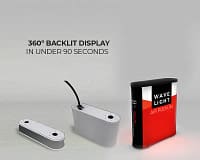
Case & counter units are all-in-one systems that transform from a hard transport case into a display counter. For exhibitors, this means fewer parts to manage and reduced risk of damage during transit. Additionally, these units often include internal storage, a worktop surface, and customizable graphics, which together create a consistent brand presence at every event.
Product Highlights
Key benefits include durable casing, integrated storage, and quick conversion from case to counter. Moreover, many models offer interchangeable shelves and graphic panels so you can adapt the counter to different booth sizes. For those seeking extra options, discover additional variations and accessories by visiting the official Case & Counter (All-in-One) collection.
Specifications
Each unit varies by model, yet typical specifications include:
- Closed dimensions: compact suitcase size for checked luggage or courier transport
- Open counter dimensions: a practical worktop height of approximately 90 cm and variable width options
- Weight: lightweight construction for easy handling while remaining robust enough for regular use
- Graphic panel area: full wrap or front panel options to maximize brand visibility
Therefore when selecting a model, consider the balance between footprint and storage capacity, and choose dimensions that fit both transport and booth logistics.
Components
Typical components include a hard outer case, removable top work surface, internal shelving, and magnetic or Velcro graphic panels. In addition, many units include carrying handles and integrated wheels, which improve mobility. As a result, setup teams can move multiple counters between vehicles and booth spaces with minimal effort.
Design Features and Material Quality
Design focuses on durability and presentation. The outer shell uses rigid materials to protect internal components, while the work surface often features a scratch-resistant laminate for daily use. Furthermore, printed graphics use fade-resistant inks to preserve vibrancy over repeated events. Consequently, these design choices extend the life of your investment and maintain a professional look.
Portability and Setup Process
Portability is a central advantage. First, the unit closes into a compact case that fits easily into a car or courier shipment. Then, at the event, the conversion to counter typically takes under five minutes, because panels lock into place and the worktop attaches with simple fasteners. For this reason, teams can focus on engagement rather than complicated assembly.
Use Cases
Case & counter units are versatile. For example, use them as a reception desk, demo station, product sample counter, or meeting point within a larger exhibit. Moreover, they work well at pop-up events, retail activations, and conference registration areas. Therefore, investing in a quality counter converts storage and transport into a functional brand touchpoint.
Conclusion
In summary, case & counter units provide a dependable, travel-friendly display solution that merges transport protection with effective presentation. Because they are easy to move, simple to set up, and visually adaptable, these counters help exhibitors present a consistent brand experience across events. Ultimately, choosing the right model reduces setup time, protects assets, and elevates your presence on the show floor.